Your Next Privacy Setting Might Be in the Garage
Cars have quietly become another source of personal data, and most drivers never agreed to that in any meaningful way. If your vehicle feels more like a smartphone on wheels, it may be time to treat its settings with the same skepticism.
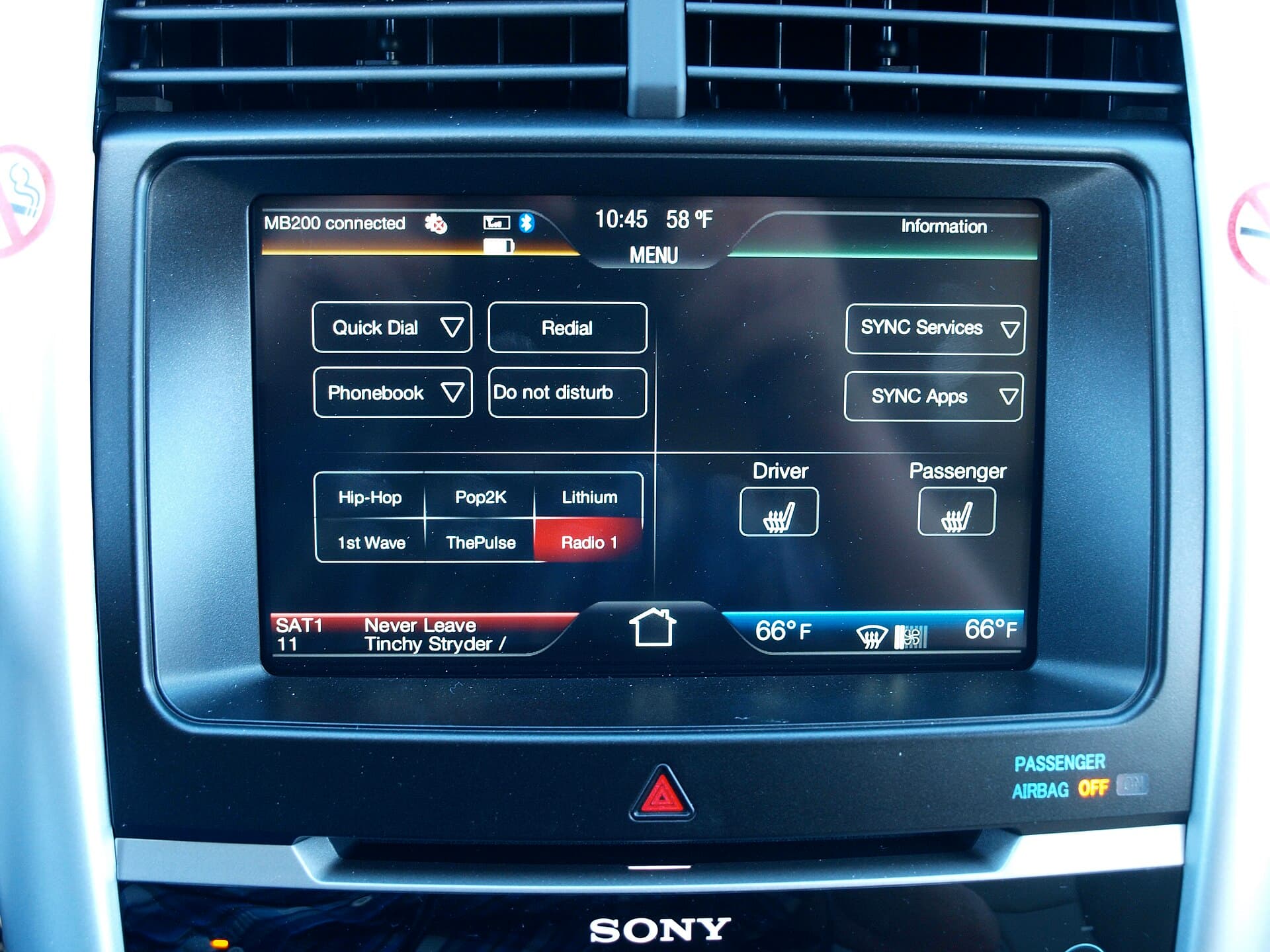
For a lot of Americans, the car still feels like private space: a place to take calls, run errands, and move through daily life without thinking too hard about who is watching. But modern vehicles increasingly behave like connected devices, collecting information through apps, sensors, infotainment systems, and subscription features. That shift might be convenient when you want navigation, roadside help, or remote start from your phone, but it also means your car may know far more about your habits than you realize.
The frustrating part is that drivers usually meet this data collection in the least useful way possible: long policy screens, dealer paperwork, and app permissions bundled together with features people actually want. In practice, that is not much of a choice. If a carmaker wants to present connectivity as standard, most buyers are not going to spend delivery day decoding privacy terms in the finance office. The result is a familiar tech problem landing in a place people once saw as purely mechanical.
That makes car shopping a little different now. Beyond fuel economy, reliability, and monthly payments, it is worth checking what the companion app asks for, whether data sharing can be turned off, and how much of the infotainment setup is truly optional. Even used-car buyers should pay attention, especially if a previous owner left accounts linked or if the vehicle is still tied to a manufacturer service. A reset should not just clear radio presets; it should clear digital history too.
There is also a bigger cultural point here. Americans have spent years learning that “smart” often means “collects more data,” and cars should not get a free pass just because they are expensive and familiar. Connectivity can be helpful, but it should be easy to understand and easy to decline. Until that becomes the norm, treating your vehicle like another privacy setting to manage is probably the most practical move you can make.
Photo: Randy Stern from Minneapolis, MN, USA via Wikimedia Commons (CC BY 2.0).

Related stories
The Smartest Way to Shop New Tech Right Now
The newest gadget drop is always tempting, but the best buy is often the device that solves one daily annoyance without adding three new ones. For US shoppers, this is a good moment to focus on comfort, compatibility, and how long a product will still feel useful after the hype fades.

Why Chip Revenue Swings Matter to Everyday Tech Shoppers
Wall Street watches chip-company revenue for clues about the future, but regular consumers can read the same signals in a more practical way. When memory and mobile-chip demand shifts, it often shows up later in laptop deals, phone upgrades, and the timing of big tech purchases.

Why AI Money News Matters to Regular Tech Shoppers
Big funding rounds and IPO chatter can feel distant, but they often shape the apps, devices, and subscriptions Americans use every day. The real question is whether the next wave of AI competition brings better tools or just higher monthly bills.