After a Wildfire, Your Pantry Deserves a Second Look
Smoke, ash, and power outages can turn ordinary groceries into question marks. A careful kitchen reset may feel wasteful in the moment, but it is often the cheaper choice than gambling on contaminated food.

Wildfire cleanup usually starts with the obvious mess: ash on the porch, a smoky car, the smell in your clothes. What gets missed is the quiet uncertainty in the kitchen. If food was exposed to heat, smoke, ash, or a long power outage, it is worth being more skeptical than thrifty. This is one of those moments when the usual save-it-don't-waste-it instinct can backfire.
A good rule for real life is simple: if packaging is porous, damaged, or hard to fully wash, do not try to rescue it. Bread, cereals, open snacks, spices, and anything in paper or thin plastic can hold onto smoke and contaminants in ways you cannot see. Even sealed items deserve a closer look if ash settled on them, because grime around lids and seams can end up on your hands, counters, and eventually your food.
The same goes for the fridge and freezer after an outage. People hate throwing away expensive groceries, but guessing how long dairy, meat, leftovers, or frozen meals sat above safe temperatures is not a money-saving strategy. When in doubt, start over with the most perishable items first and focus your replacement budget on basics you will actually use this week. A smaller, safer restock beats a heroic haul that ends up wasted later.
There is also a practical comfort angle here. Deep-cleaning shelves, wiping cans and jars, and replacing a few staples can make a house feel livable again faster than buying another gadget or organizer. Recovery is expensive enough without adding a foodborne illness to the bill. In a smoky aftermath, being a little ruthless about what stays in the pantry is not overreaction; it is just smart housekeeping.
Photo: Égoïté via Wikimedia Commons (CC BY-SA 3.0).

Related stories
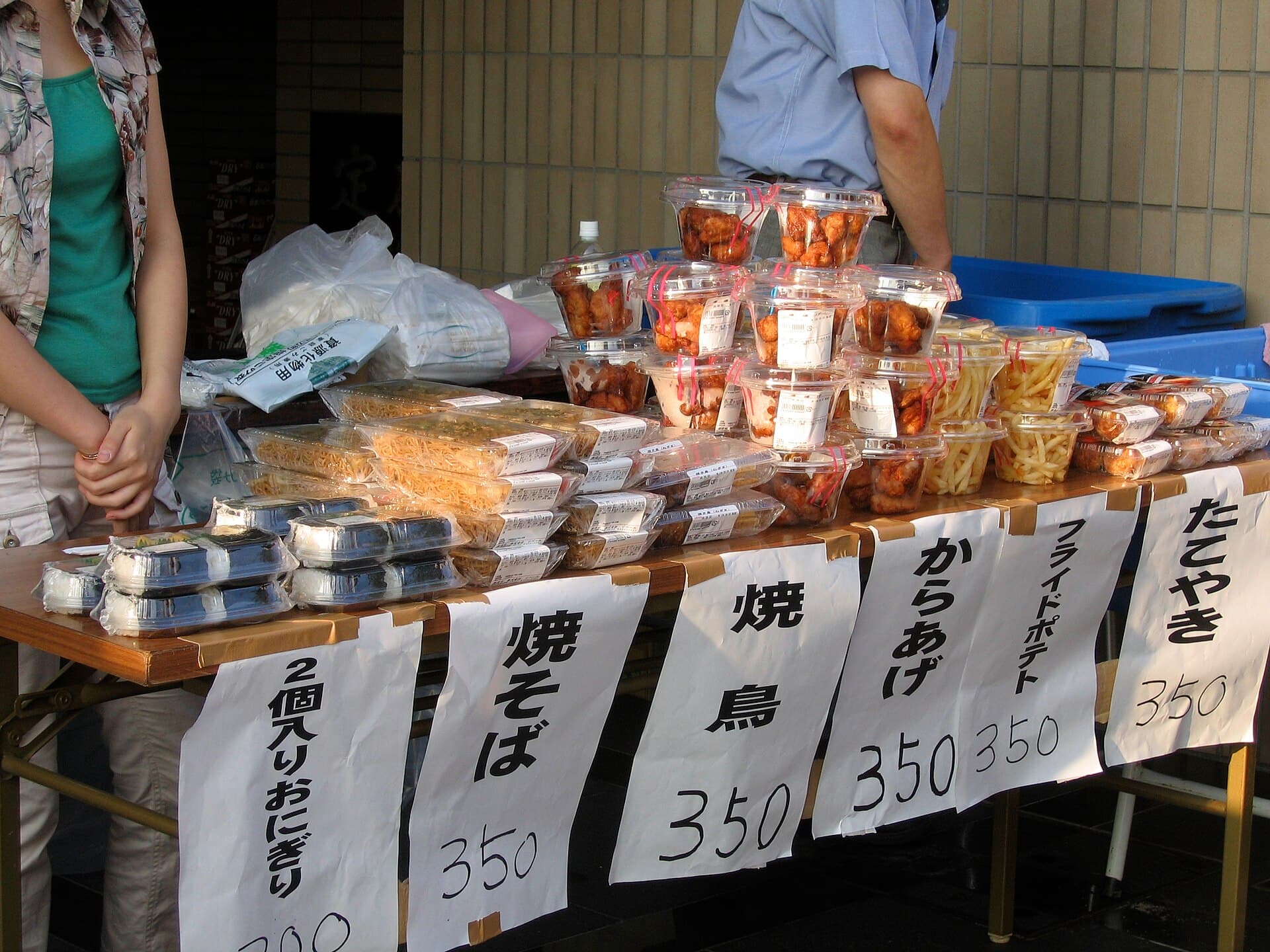
Why Neighborhood Food Festivals Are the Best Way to Try Japanese Cooking
A local Japanese food festival can be a smarter introduction than a pricey restaurant reservation. The best part is the chance to try a wider range of dishes, flavors, and community traditions in one afternoon.
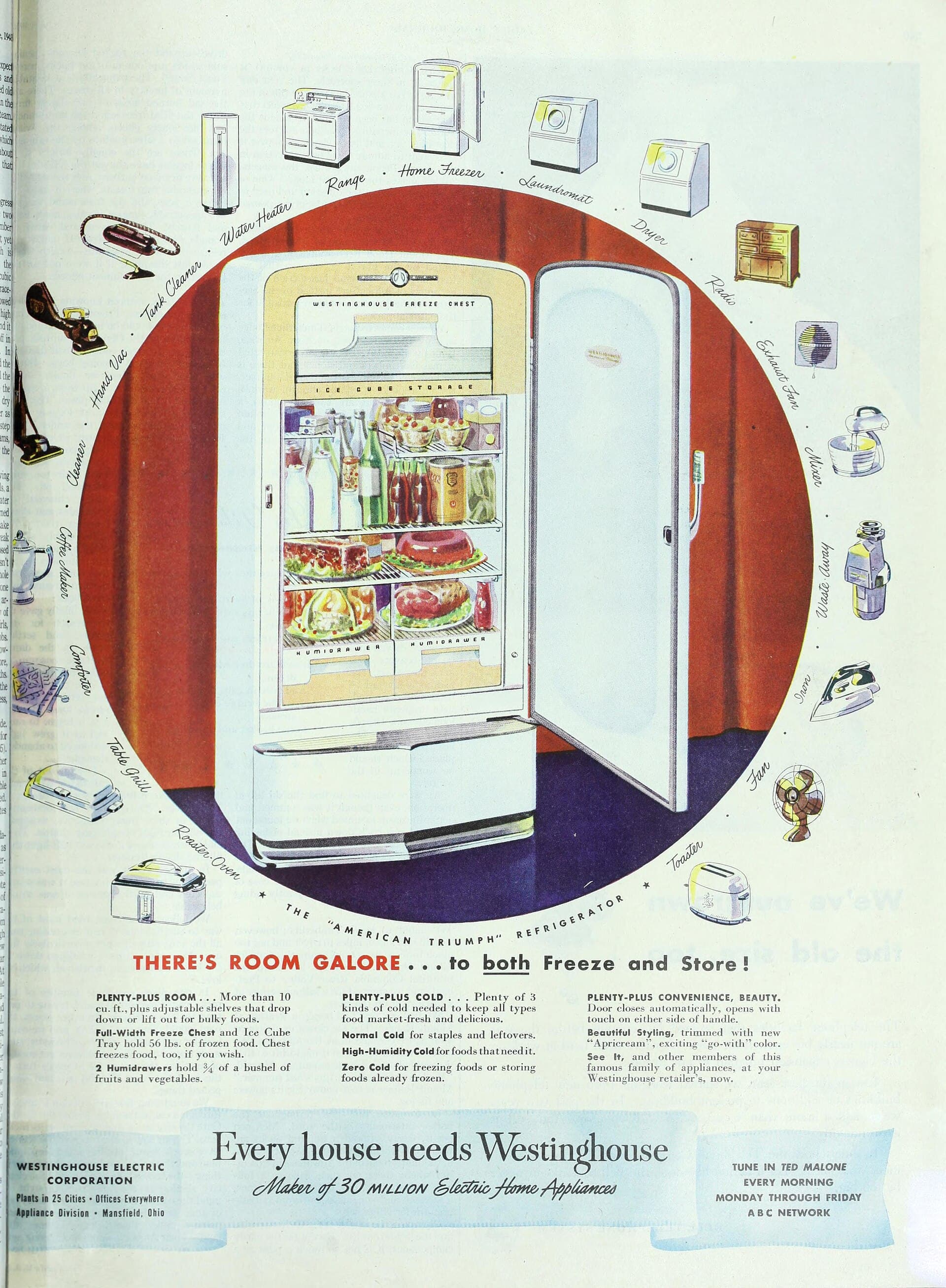
The Cheapest Meal Upgrade Is Learning to Cook What You Already Bought
A smarter kitchen starts before the grocery store and pays off all week. Using what’s already in the fridge can stretch a food budget without making meals feel like leftovers on repeat.

What Diners Should Look For Before Making a Food Truck Park a Regular Stop
When a food truck park becomes the center of online complaints, it’s a reminder that diners should pay attention to more than just the menu photos. A great food stop needs consistency, transparency, and a setup that works for both customers and vendors.