The Cheapest Meal Upgrade Is Learning to Cook What You Already Bought
A smarter kitchen starts before the grocery store and pays off all week. Using what’s already in the fridge can stretch a food budget without making meals feel like leftovers on repeat.
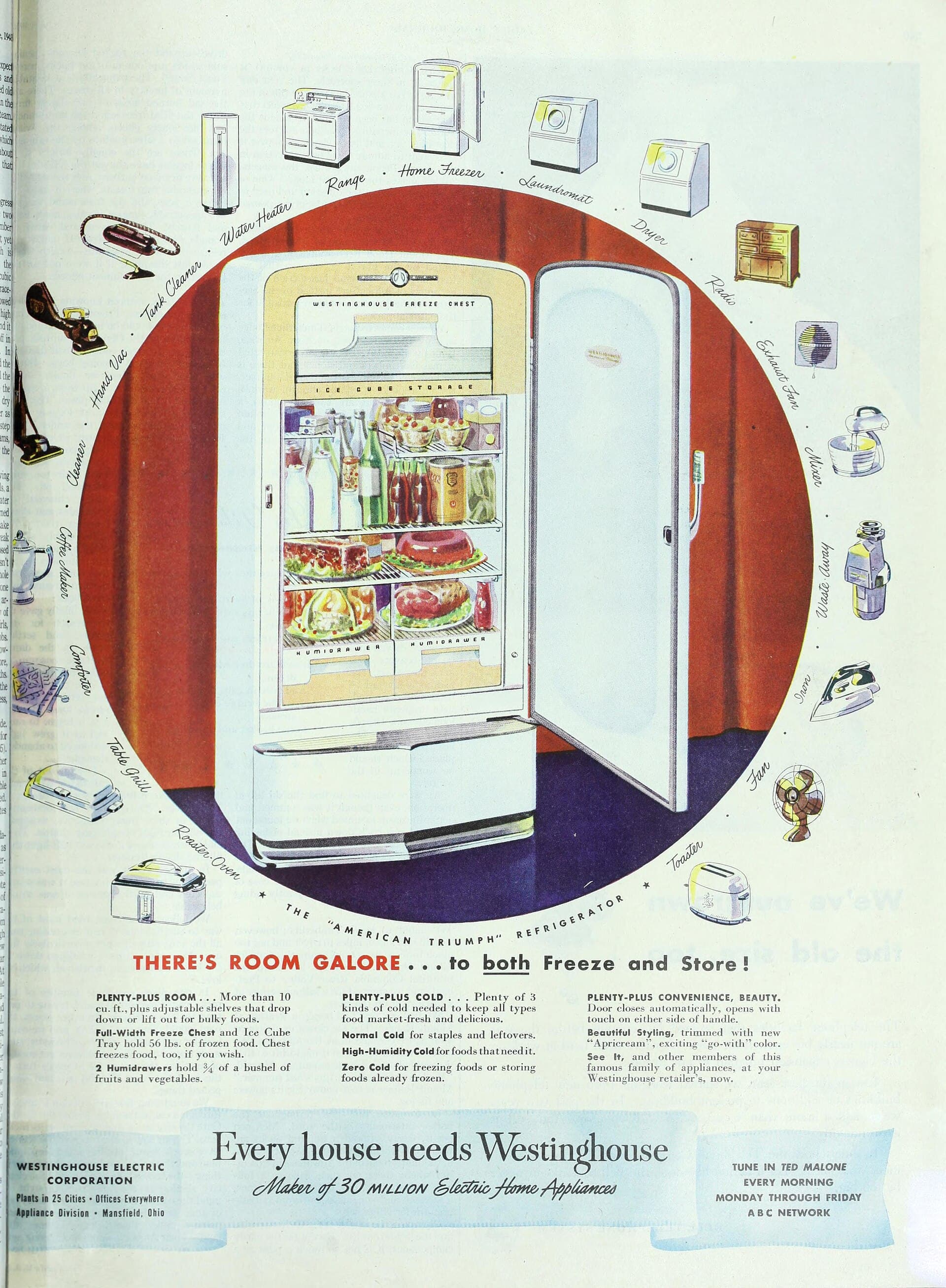
The most underrated food skill right now isn’t sourdough or knife work. It’s being able to look at a half bag of greens, a cup of rice, and two lonely carrots and see dinner instead of waste. For households trying to keep grocery costs in check, that mindset matters more than any trendy recipe because it turns forgotten ingredients into meals you were going to pay for again anyway.
A practical kitchen usually starts with a reset. Before buying more food, it helps to know what needs to be used first and to build one or two flexible meals around it. Fried rice, soups, pasta, grain bowls, tacos, and omelets do this better than rigid recipes. They give leftovers a second life without making the week feel like a sad rerun of the same plate.
Storage habits matter too, but they don’t need to be fancy. Clear containers, a visible spot for produce that needs attention, and a simple plan for cooked odds and ends can save more food than a new set of gadgets. The real goal is reducing the mystery factor in the fridge, because once food disappears behind takeout sauces and beverage cans, it might as well be gone.
There’s also something satisfying about a kitchen that runs on resourcefulness instead of constant replacement. Using what you have is cheaper, yes, but it can also make cooking feel less exhausting. Fewer emergency grocery trips, fewer wilted greens, and fewer guilt-inducing cleanouts is a pretty good bargain for any weeknight.
Photo: Wyeth, N. C. (Newell Convers), 1882-1945 via Wikimedia Commons (Public domain).

Related stories
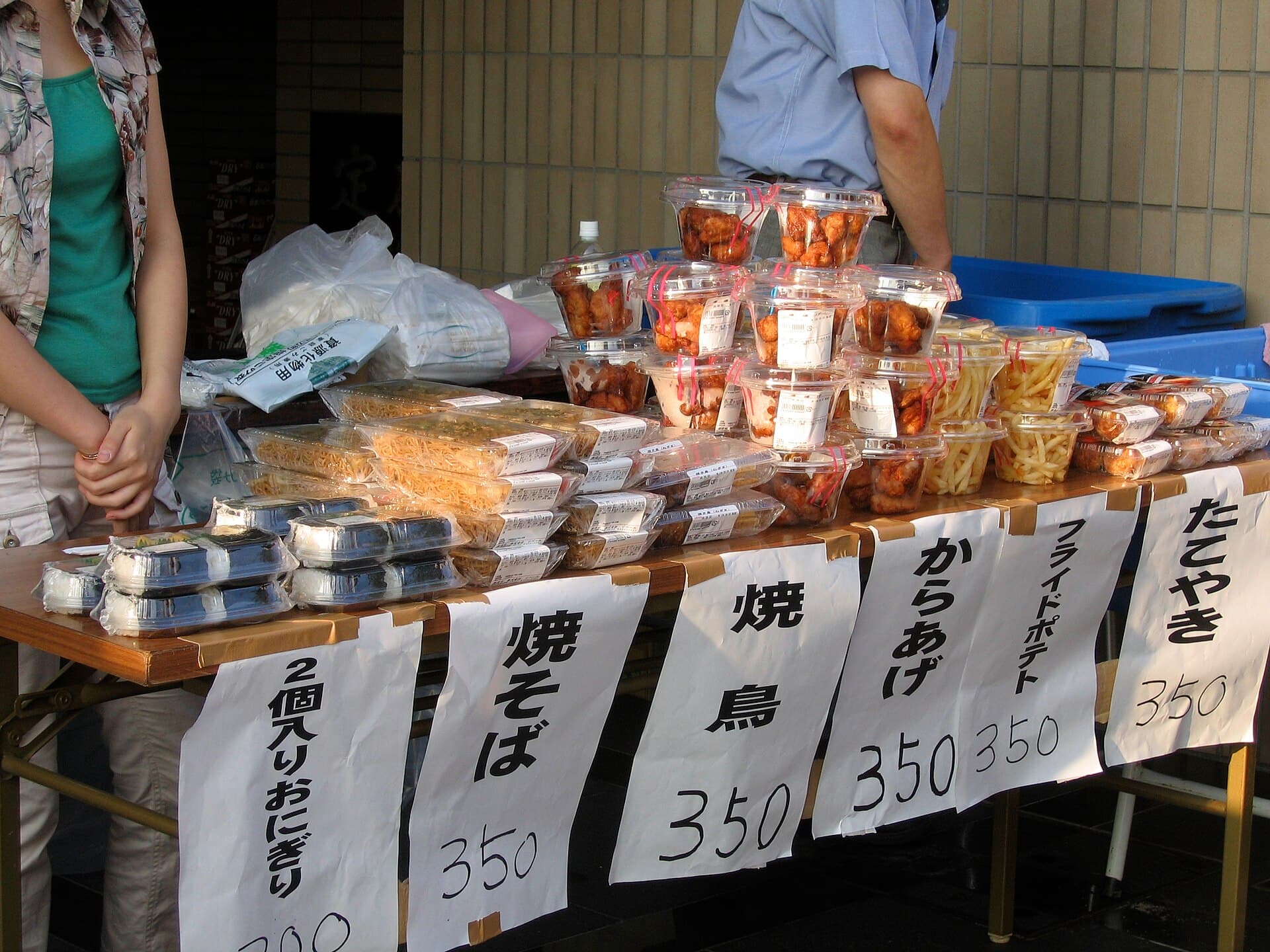
Why Neighborhood Food Festivals Are the Best Way to Try Japanese Cooking
A local Japanese food festival can be a smarter introduction than a pricey restaurant reservation. The best part is the chance to try a wider range of dishes, flavors, and community traditions in one afternoon.

What Diners Should Look For Before Making a Food Truck Park a Regular Stop
When a food truck park becomes the center of online complaints, it’s a reminder that diners should pay attention to more than just the menu photos. A great food stop needs consistency, transparency, and a setup that works for both customers and vendors.
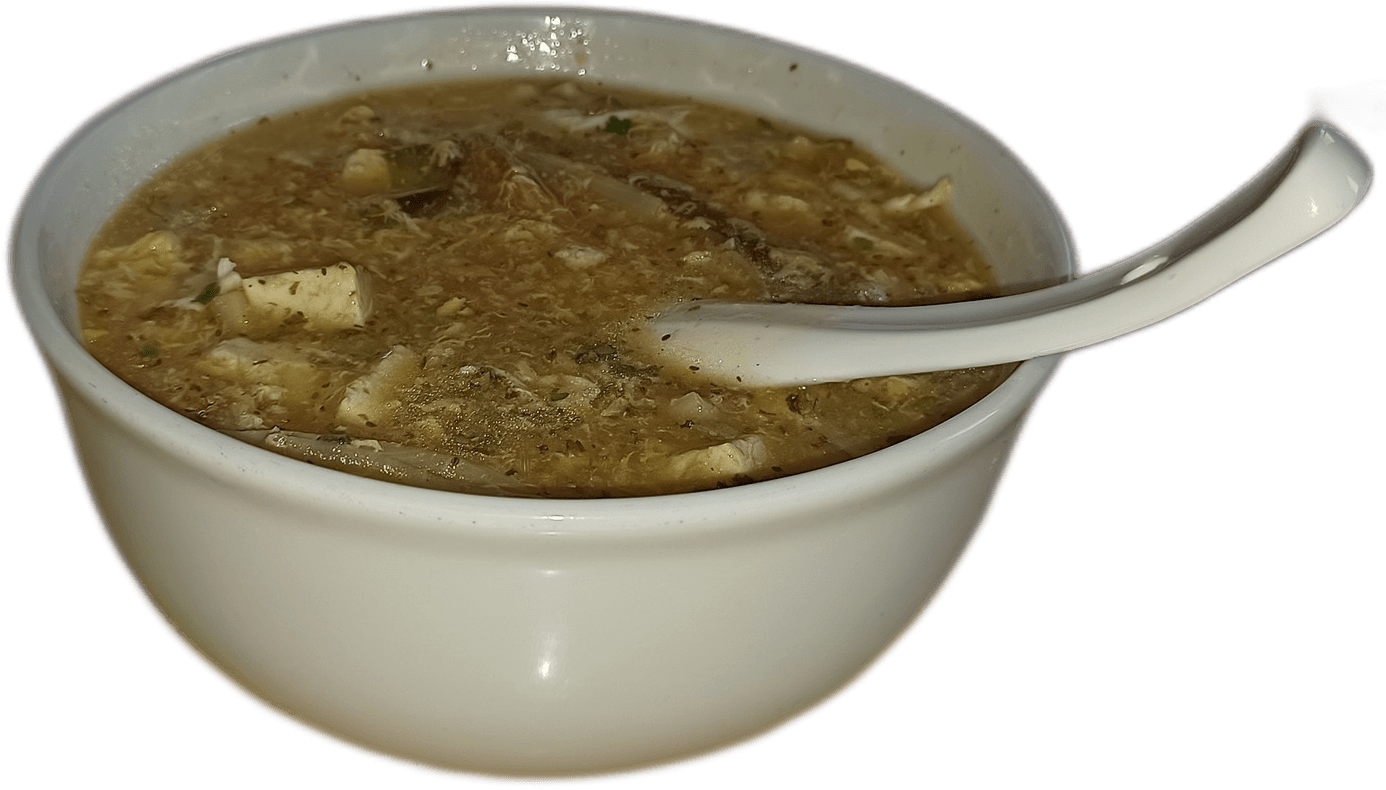
The Dutch Oven Is the Weeknight Upgrade That Makes Cold Nights Easier
When the temperature drops, a Dutch oven earns its counter space by turning simple ingredients into deeply comforting dinners. The best recipes are the ones that feel flexible, affordable, and worth reheating the next day.