Why Neighborhood Food Festivals Are the Best Way to Try Japanese Cooking
A local Japanese food festival can be a smarter introduction than a pricey restaurant reservation. The best part is the chance to try a wider range of dishes, flavors, and community traditions in one afternoon.
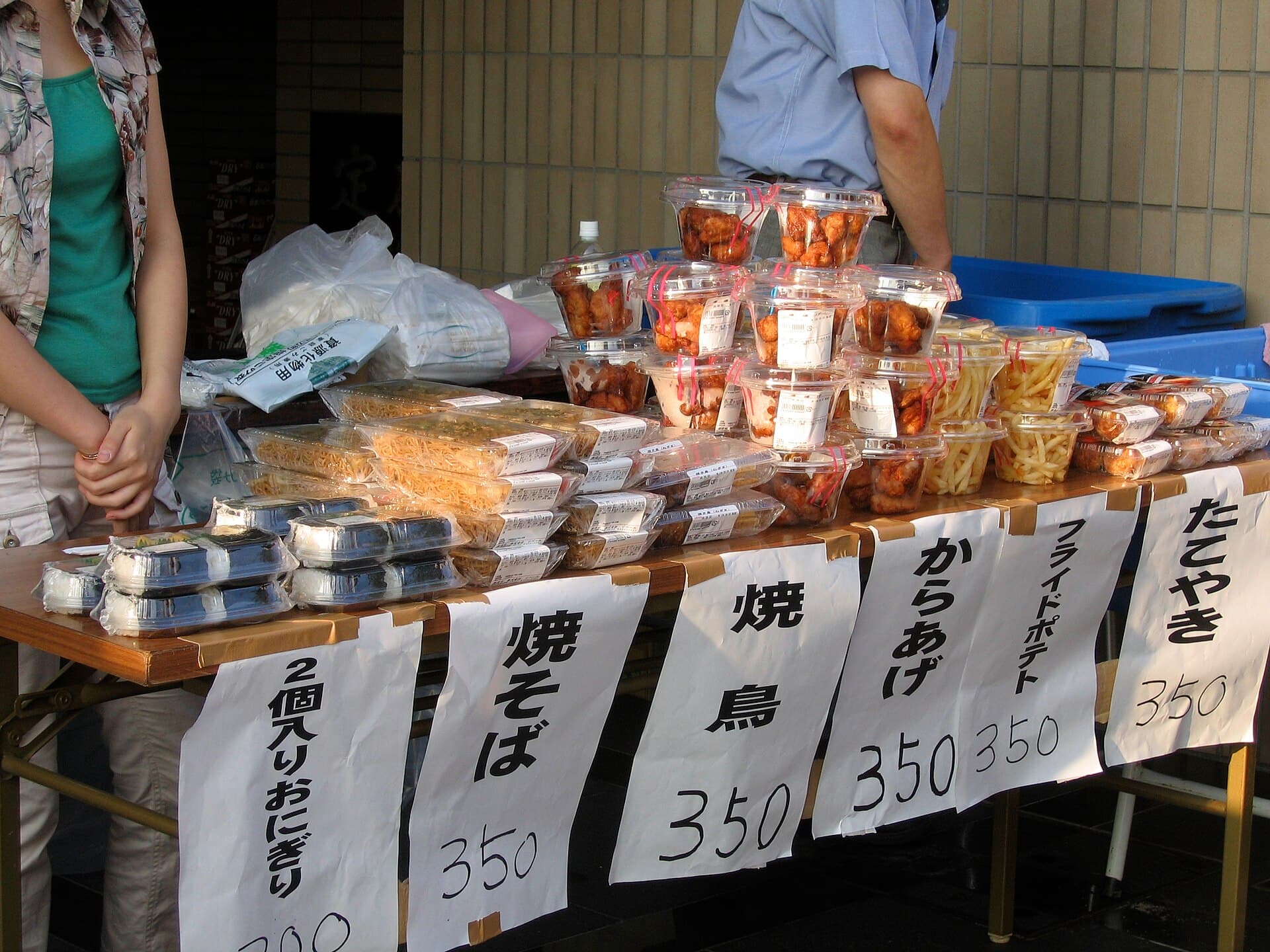
A neighborhood Japanese food festival does something that even a very good restaurant usually cannot: it lets you sample broadly instead of committing to one entree. For anyone curious about Japanese cooking beyond sushi rolls and ramen, that matters. A festival setting makes it easier to try small portions, compare regional styles, and discover the everyday snacks and comfort foods that rarely get top billing on American menus.
It is also one of the more approachable ways to eat adventurously without making the whole outing feel high-stakes. If you are going with family or friends, everyone can pick a dish that looks good, trade bites, and learn as they go. That kind of casual tasting is often how people find a new favorite, whether it is a savory pancake, grilled skewers, curry, or a simple sweet pastry that tastes best fresh from the stall.
The real appeal, though, is that these events tend to connect food with community. You are not just buying lunch; you are seeing how cuisine travels, adapts, and keeps traditions visible in a city far from where they started. That makes the meal feel less like trend-chasing and more like a practical reminder that local food culture gets better when more communities have room to share it.
If you go, the smart move is to arrive hungry but not rushed. Walk the full event once before ordering too much, look for dishes you do not see every day, and save room for dessert. Festivals are one of the few places where curiosity is usually rewarded, and Japanese food in particular shines when you can taste its range side by side.
Photo: hildgrim via Wikimedia Commons (CC BY-SA 2.0).
.jpg)
Related stories
The Cheapest Meal Upgrade Is Learning to Cook What You Already Bought
A smarter kitchen starts before the grocery store and pays off all week. Using what’s already in the fridge can stretch a food budget without making meals feel like leftovers on repeat.
What Diners Should Look For Before Making a Food Truck Park a Regular Stop
When a food truck park becomes the center of online complaints, it’s a reminder that diners should pay attention to more than just the menu photos. A great food stop needs consistency, transparency, and a setup that works for both customers and vendors.
The Dutch Oven Is the Weeknight Upgrade That Makes Cold Nights Easier
When the temperature drops, a Dutch oven earns its counter space by turning simple ingredients into deeply comforting dinners. The best recipes are the ones that feel flexible, affordable, and worth reheating the next day.