The Dutch Oven Is the Weeknight Upgrade That Makes Cold Nights Easier
When the temperature drops, a Dutch oven earns its counter space by turning simple ingredients into deeply comforting dinners. The best recipes are the ones that feel flexible, affordable, and worth reheating the next day.
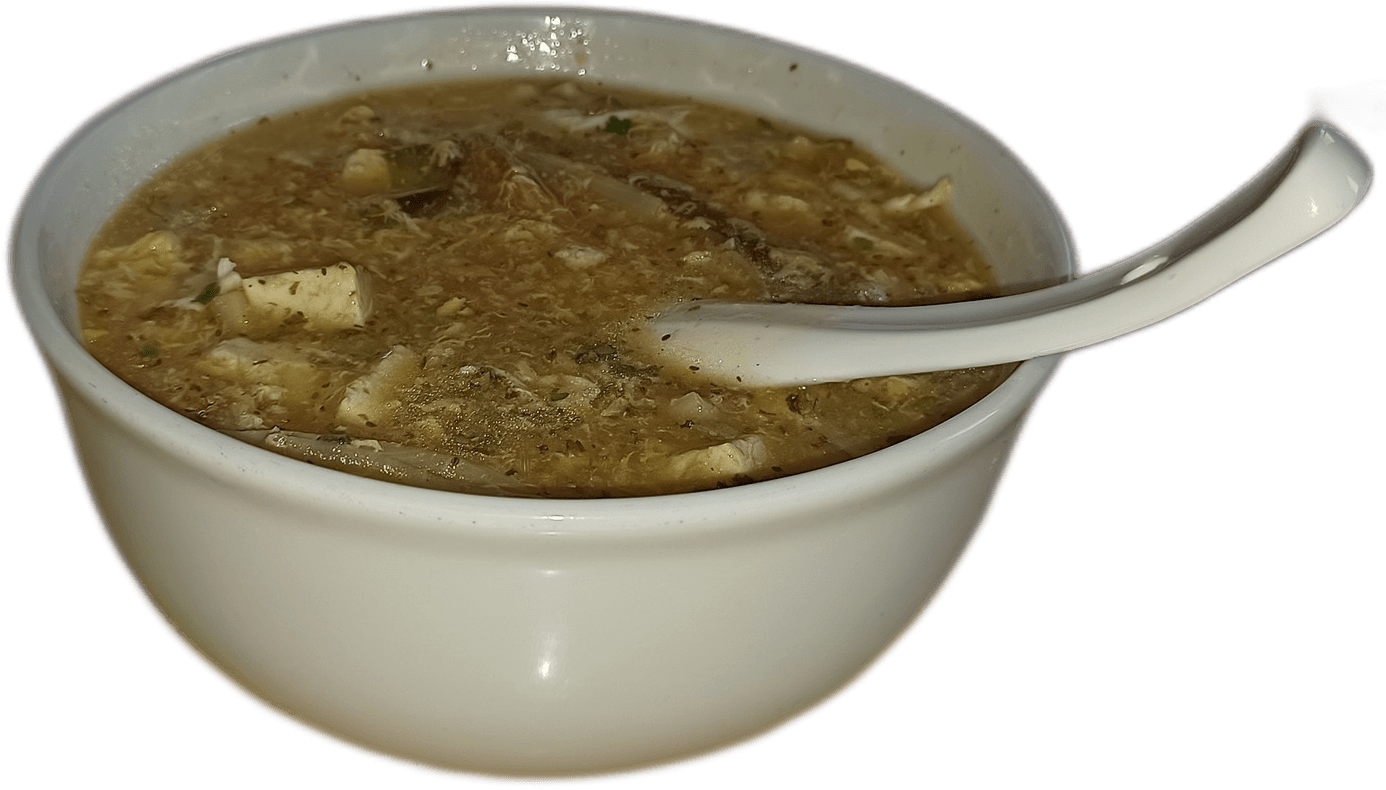
Cold-weather cooking does not have to mean an all-day project, but it should feel a little more rewarding than throwing something in a skillet and hoping for the best. A Dutch oven hits that sweet spot. It holds heat well, moves from stovetop to oven without drama, and makes humble ingredients taste like you planned ahead even when you did not.
For most home cooks, the real appeal is not just soup or stew. It is the kind of meal that starts with onions, garlic, and something browned properly, then slowly turns into a pot of beans, braised chicken, tomatoey pasta, or a chili that tastes better an hour later. That is the magic here: one pot, deeper flavor, and fewer dishes on a night when nobody wants to scrub three pans after dinner.
The smartest Dutch oven recipes are the ones that leave room for real life. They welcome pantry staples, forgiving cook times, and whatever sturdy vegetables are hanging around in the fridge. If a recipe demands too many specialty ingredients or too much babysitting, it misses the point. Cold-weather favorites should be hearty, practical, and easy to reheat for lunch the next day.
If you are deciding what to cook first, lean toward dishes that improve as they sit. Braises, lentils, baked pasta, and brothier bean dishes all benefit from that slow, steady heat. A Dutch oven is not just for dramatic Sunday dinners; it is one of the few pieces of cookware that can make an ordinary Tuesday feel calmer, warmer, and a lot more put together.
Photo: NeoBatfreak via Wikimedia Commons (CC BY-SA 4.0).
.png)
Related stories
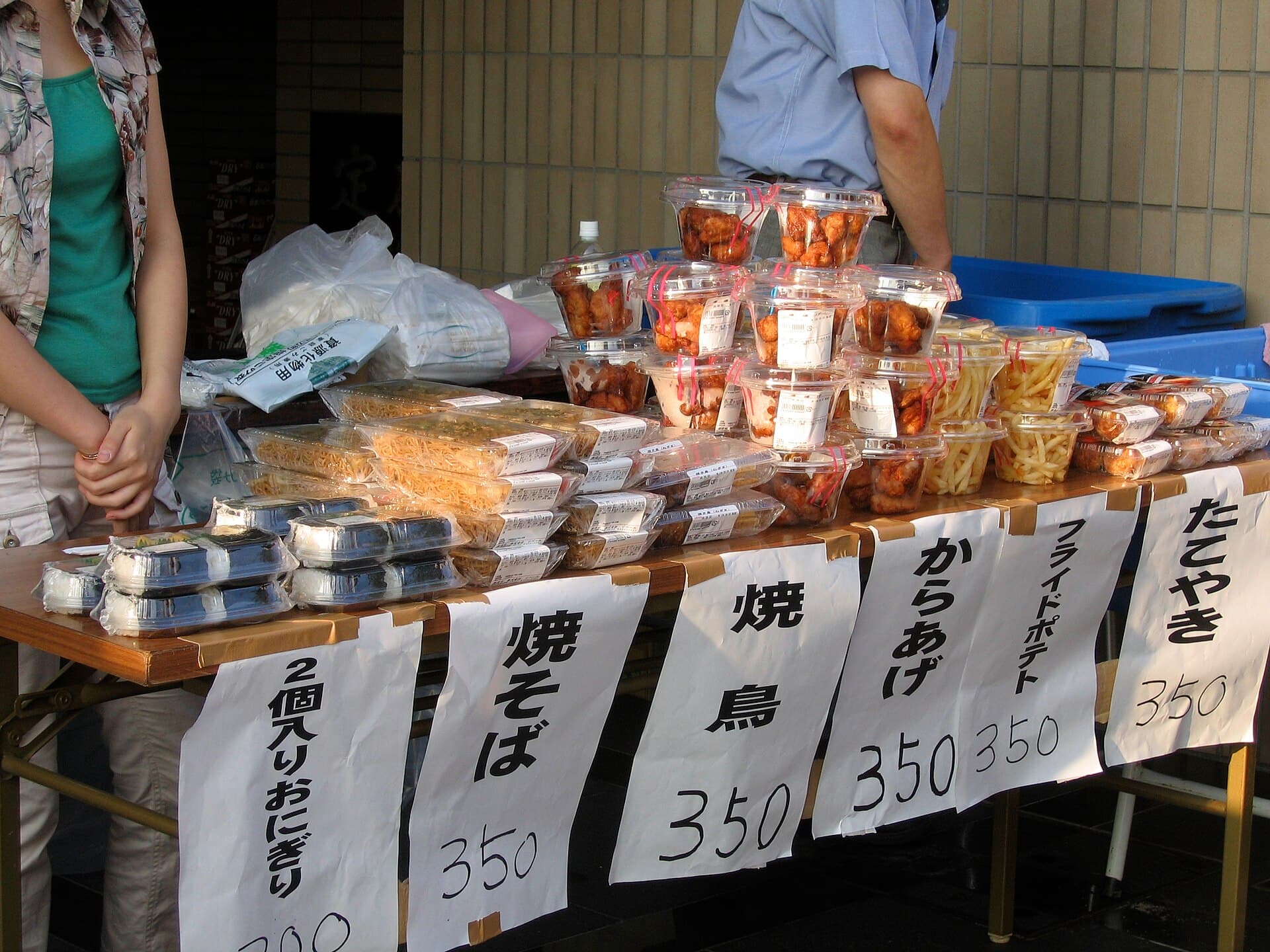
Why Neighborhood Food Festivals Are the Best Way to Try Japanese Cooking
A local Japanese food festival can be a smarter introduction than a pricey restaurant reservation. The best part is the chance to try a wider range of dishes, flavors, and community traditions in one afternoon.
The Cheapest Meal Upgrade Is Learning to Cook What You Already Bought
A smarter kitchen starts before the grocery store and pays off all week. Using what’s already in the fridge can stretch a food budget without making meals feel like leftovers on repeat.

What Diners Should Look For Before Making a Food Truck Park a Regular Stop
When a food truck park becomes the center of online complaints, it’s a reminder that diners should pay attention to more than just the menu photos. A great food stop needs consistency, transparency, and a setup that works for both customers and vendors.