Why Anonymous Local Food Tips Still Beat the Algorithm
In a feed full of polished restaurant content, anonymous local food accounts can feel surprisingly useful. Their real value is less about mystery and more about helping diners find places that still feel like neighborhood secrets.
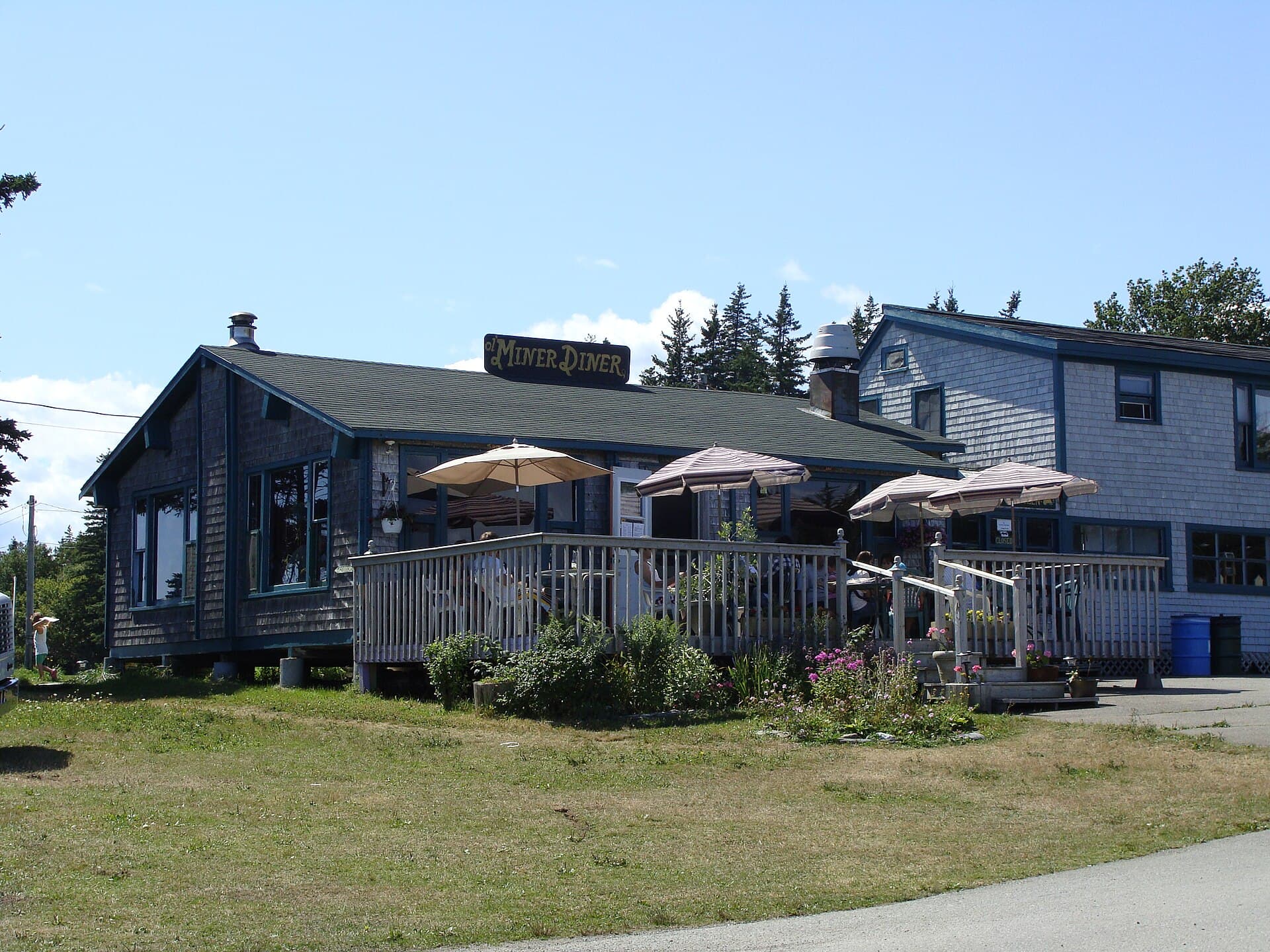
The most helpful food recommendations rarely look like marketing. They come from the friend who tells you which bakery is worth the line, which neighborhood spot gets loud after 8, and which new restaurant is better for lunch than dinner. That is why anonymous local food accounts still resonate: they can feel closer to word of mouth than to branding, even when they live on the same apps as everyone else’s glossy reels.
For diners, the appeal is practical. A good local account can narrow the endless scroll and point people toward places with a real point of view, not just the biggest ad budget or the prettiest lighting. In cities where restaurants open fast and close fast, that kind of curation matters. It helps readers decide where to spend a Friday night, where to take out-of-town guests, and which small businesses deserve a little extra traffic.
There is also something refreshing about food coverage that is not built entirely around personality. The internet has trained us to expect every recommendation to double as self-promotion, so a lower-profile voice can make the food itself feel more central again. Of course, anonymity is not a guarantee of honesty or taste, and readers should still bring some skepticism. But when the focus stays on the experience instead of the influencer, the recommendations often become more usable.
The best approach is to treat local food accounts as a starting point, not gospel. Save the posts, check recent comments, look at the restaurant’s own menu, and notice whether the praise is specific or just enthusiastic. In a crowded dining scene, the accounts worth following are the ones that help people eat better in their own city, not just consume more content about it. That is a service many readers still want, whether the name behind it is public or not.
Photo: SMUBull via Wikimedia Commons (CC BY-SA 3.0).

Related stories
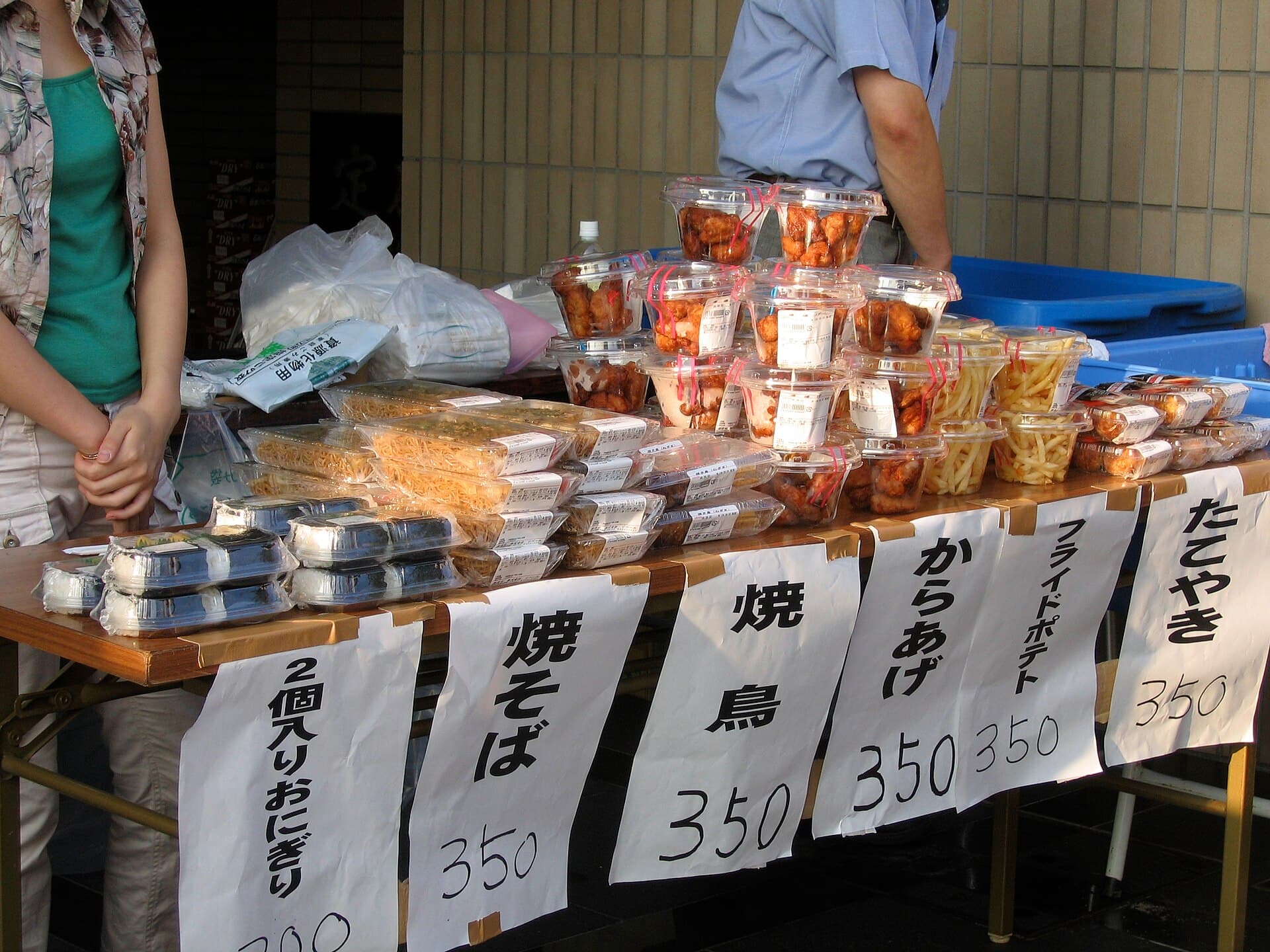
Why Neighborhood Food Festivals Are the Best Way to Try Japanese Cooking
A local Japanese food festival can be a smarter introduction than a pricey restaurant reservation. The best part is the chance to try a wider range of dishes, flavors, and community traditions in one afternoon.
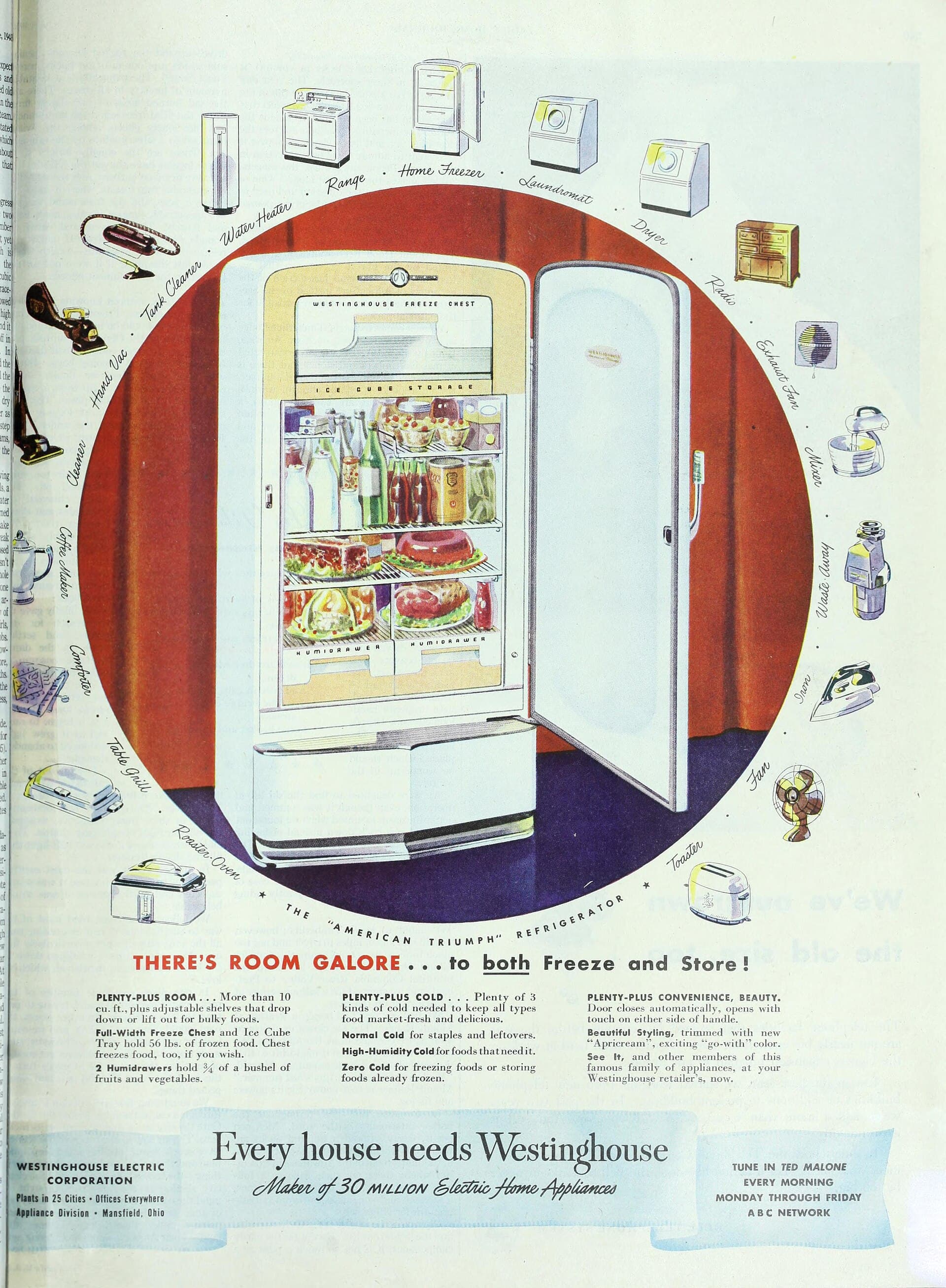
The Cheapest Meal Upgrade Is Learning to Cook What You Already Bought
A smarter kitchen starts before the grocery store and pays off all week. Using what’s already in the fridge can stretch a food budget without making meals feel like leftovers on repeat.
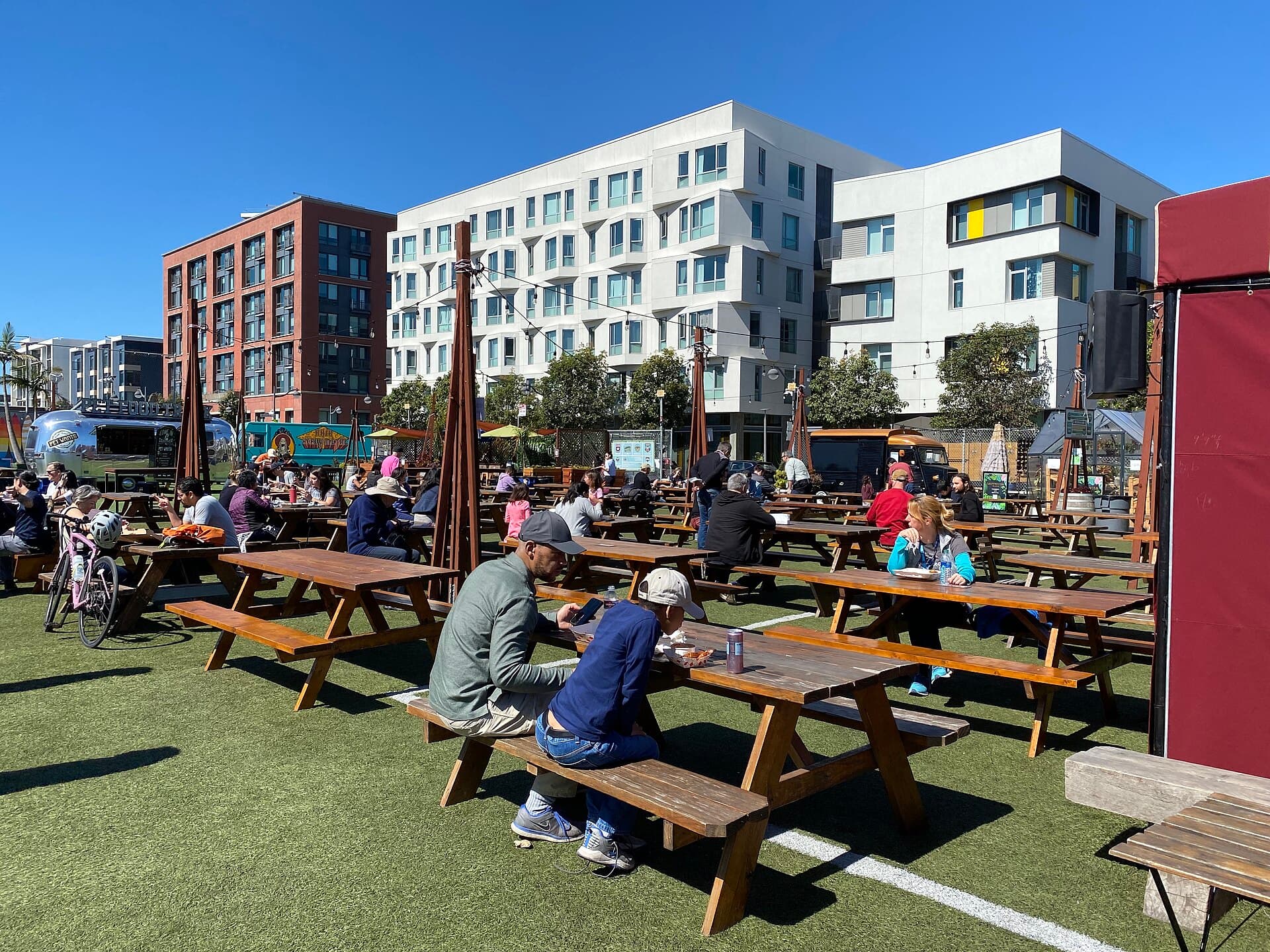
What Diners Should Look For Before Making a Food Truck Park a Regular Stop
When a food truck park becomes the center of online complaints, it’s a reminder that diners should pay attention to more than just the menu photos. A great food stop needs consistency, transparency, and a setup that works for both customers and vendors.