The Fastest Way to Improve Institutional Food Is to Ask What People Actually Miss Eating
When dining room complaints pile up, the fix is not always fancier ingredients or trendier menus. Often, the most practical question is also the most personal: what foods do people wish they could have again?

Food complaints in places like nursing homes, hospitals, school cafeterias, and workplace dining halls are often treated like a seasoning problem. Add more flavor, update the menu, swap in a new recipe, and maybe people will stop grumbling. But a lot of dissatisfaction has less to do with technique than memory. People do not just want a meal that is technically fine; they want food that feels familiar, comforting, and worth looking forward to.
That is why one of the smartest questions any food service team can ask is also one of the simplest: what do you miss eating? The answers are usually practical, not glamorous. Maybe it is a certain soup, softer rolls, a favorite breakfast, or a dessert that used to show up at family gatherings. Those details matter because appetite is tied to routine, emotion, and dignity as much as taste. In settings where people have limited choice, being heard can be as meaningful as the plate itself.
For families, this is a useful reminder too. If you have a loved one in a care setting, do not stop at asking whether the food is good or bad. Ask what they wish appeared on the menu more often, what is too hard to eat comfortably, and what meals still sound appealing on low-energy days. Those are the kinds of specifics that can actually help kitchen staff make better decisions, especially when budgets and nutrition rules leave little room for dramatic changes.
There is also a broader lesson here for anyone trying to cook for a group on a budget. People are usually happier with food that is recognizable, consistent, and thoughtfully adapted than with half-hearted attempts at restaurant-style novelty. Practical culture has a soft spot for upgrades, but sometimes the best improvement is not an upgrade at all. It is simply paying attention to the foods people associate with home, comfort, and being cared for.
Photo: Unknown author via Wikimedia Commons (Public domain).
.jpg)
Related stories
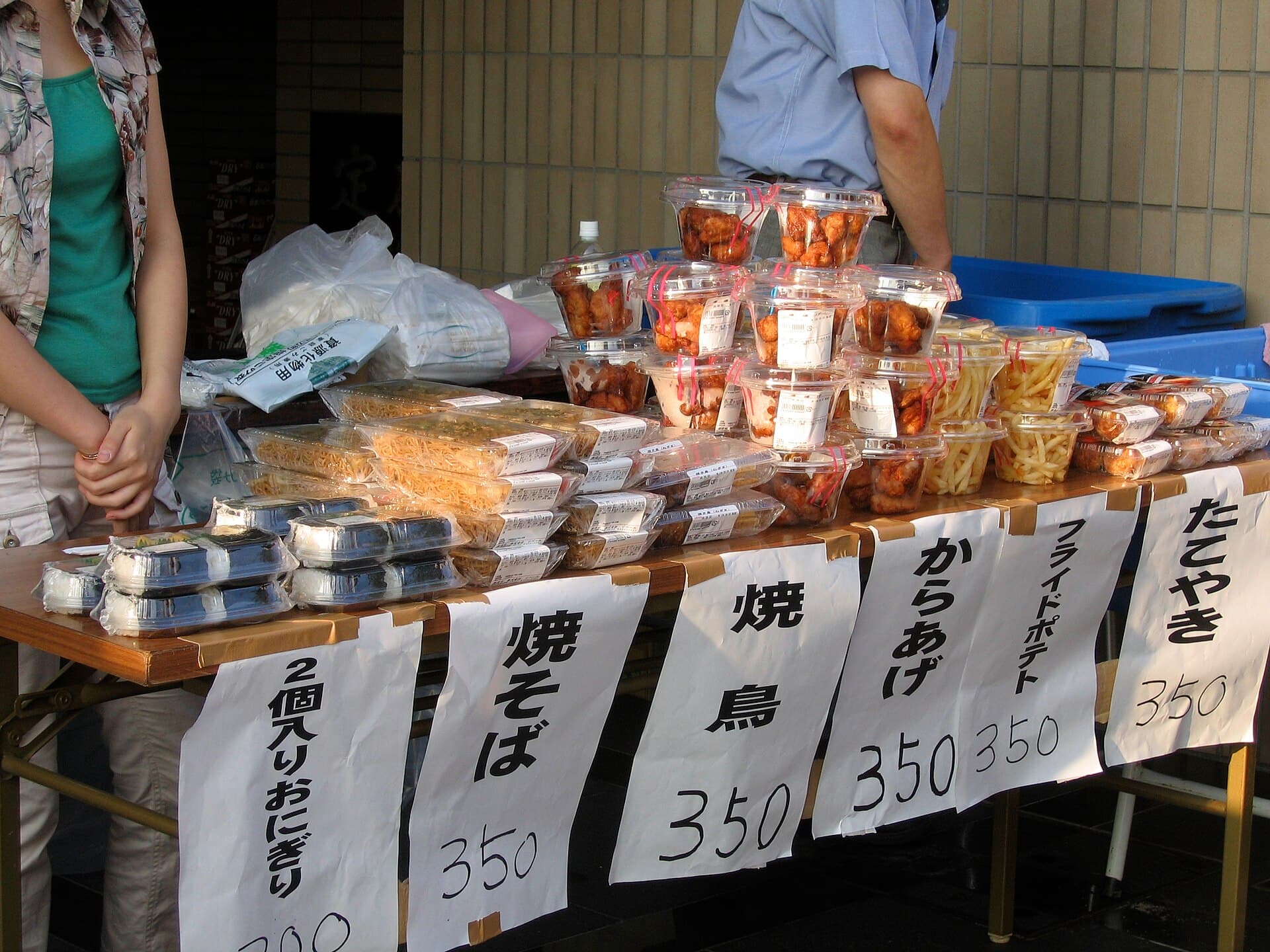
Why Neighborhood Food Festivals Are the Best Way to Try Japanese Cooking
A local Japanese food festival can be a smarter introduction than a pricey restaurant reservation. The best part is the chance to try a wider range of dishes, flavors, and community traditions in one afternoon.
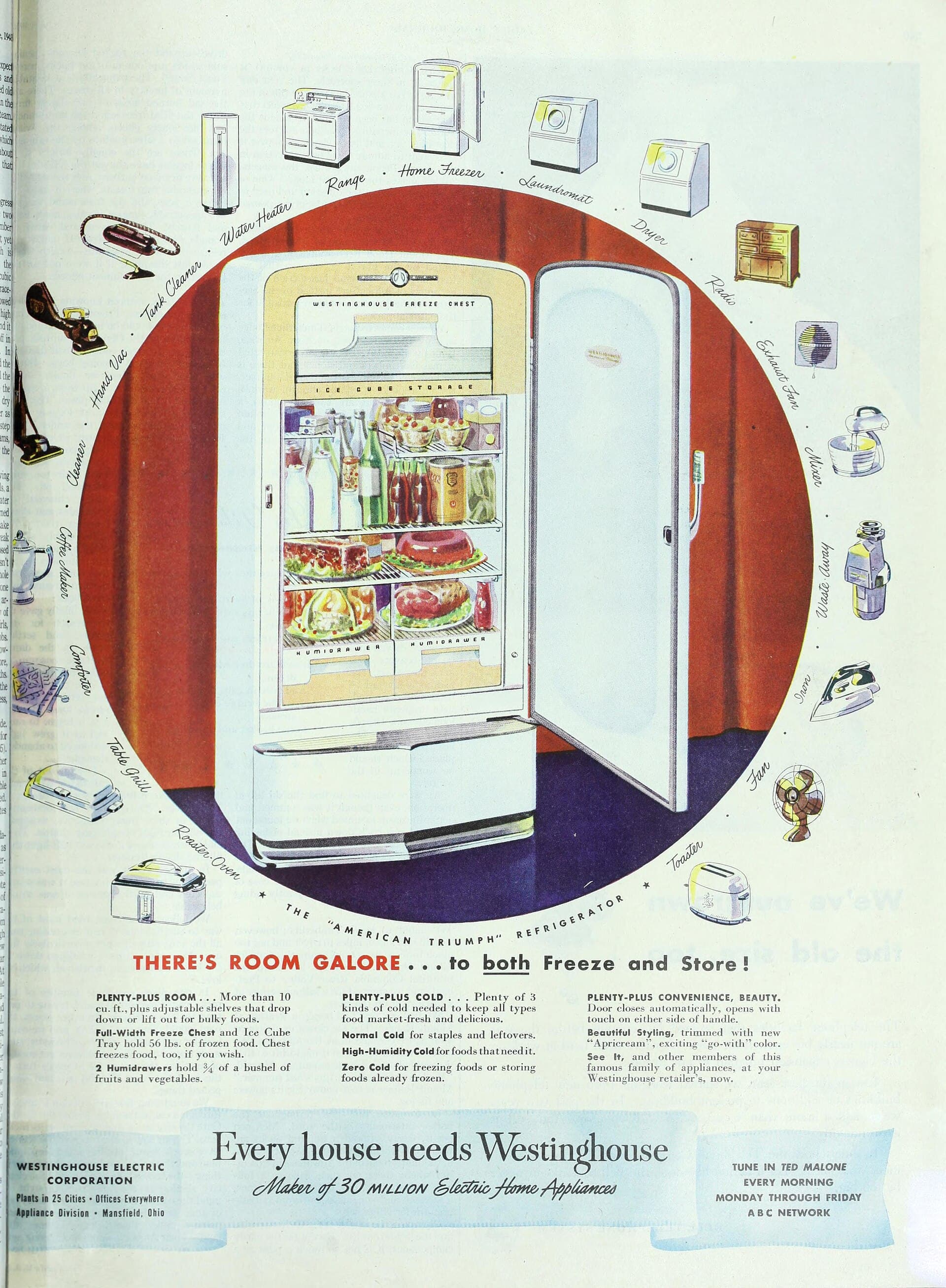
The Cheapest Meal Upgrade Is Learning to Cook What You Already Bought
A smarter kitchen starts before the grocery store and pays off all week. Using what’s already in the fridge can stretch a food budget without making meals feel like leftovers on repeat.
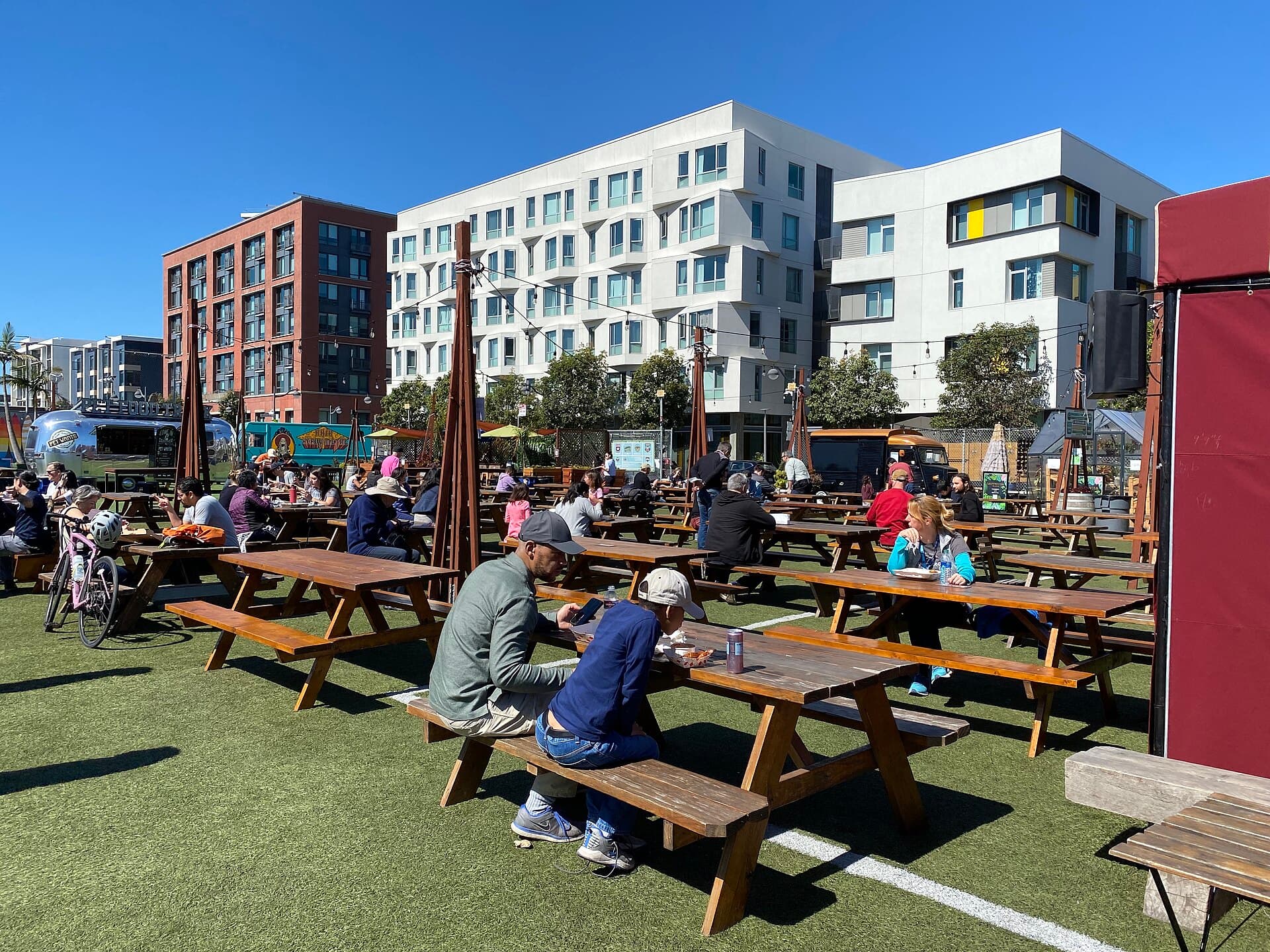
What Diners Should Look For Before Making a Food Truck Park a Regular Stop
When a food truck park becomes the center of online complaints, it’s a reminder that diners should pay attention to more than just the menu photos. A great food stop needs consistency, transparency, and a setup that works for both customers and vendors.