Why the Best Clothing Bargains Aren’t on the Mall Rack
Used clothing is moving from backup plan to first stop for shoppers who want better value. The smartest approach is treating secondhand as a regular part of how you build a wardrobe, not a lucky one-off score.
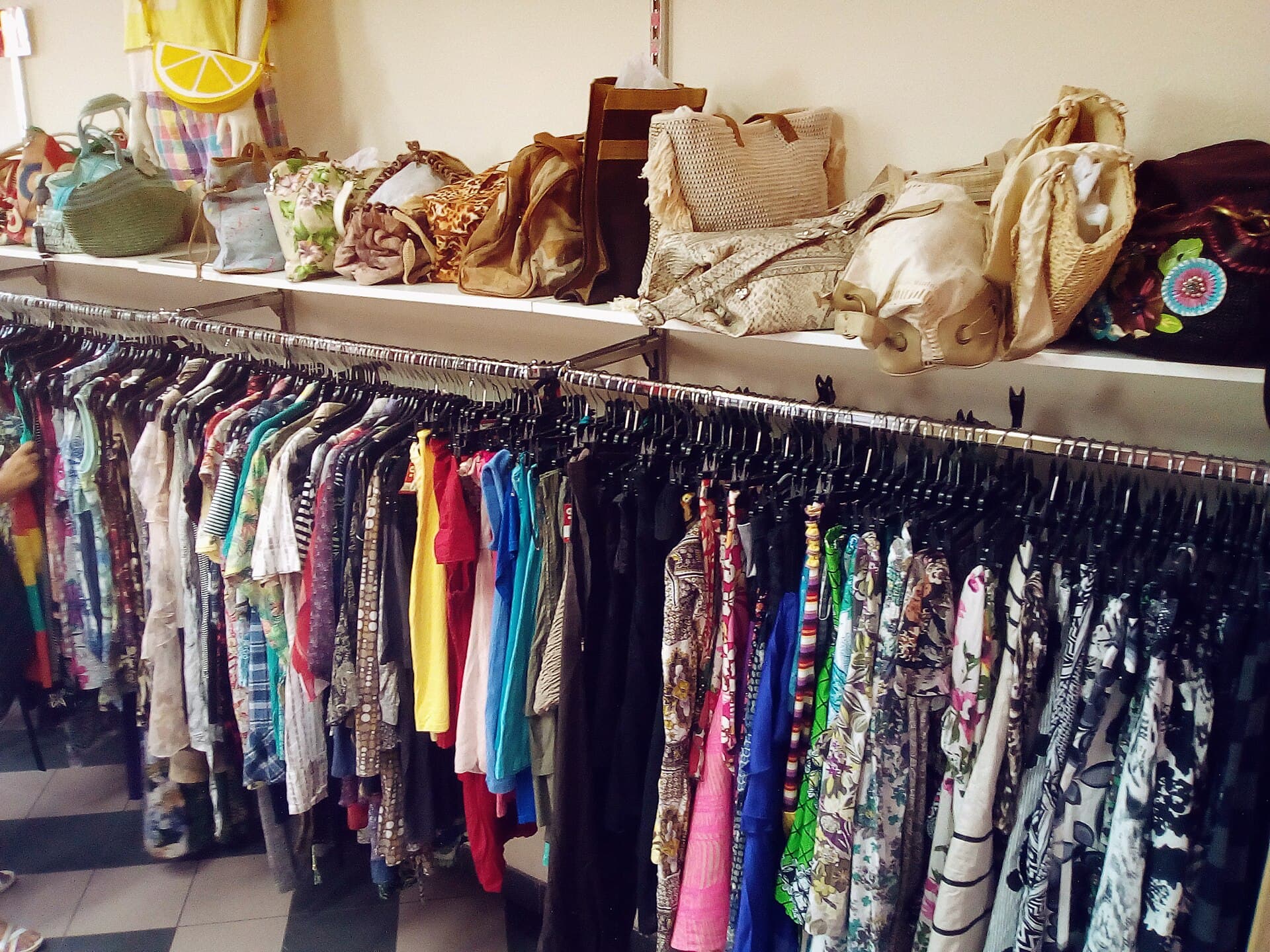
For a lot of shoppers, secondhand used to mean compromise: maybe a costume piece, a kids’ jacket for one season, or a backup pair of jeans. Now it feels more like common sense. When new basics can be hit-or-miss on quality, a well-made used item often gives you a better fabric, better construction, and a lower bill at checkout.
paragraphs like this shift how people should shop. Instead of browsing resale only when money feels tight, it makes more sense to start there for categories that age well: denim, coats, leather bags, sweaters, and occasionwear. These are the items where a little wear usually matters less than fit and material, and where buying new can feel especially overpriced.
The catch is that secondhand rewards patience more than impulse. Sizes vary across decades and brands, lighting can hide flaws, and the best finds rarely appear the moment you want them. Shoppers who do best usually know what they’re looking for before they walk in or log on, and they’re willing to leave empty-handed rather than bring home something that is merely cheap.
That may be the biggest cultural change of all: used clothing is no longer just about hunting treasures, but about getting more intentional. A wardrobe built with some secondhand pieces can look better, cost less over time, and sidestep some of the disappointment that comes with flimsy fast fashion. In a market full of inflated prices and uneven quality, that’s not a trend so much as a practical upgrade.
Photo: MAKY.OREL via Wikimedia Commons (CC BY-SA 4.0).

Related stories

The Best Trend in Fashion Right Now Is Looking Unbothered
The most wearable runway idea this season isn’t a single item—it’s the return of clothes that look lived in, easy, and ready for an actual day. For shoppers, that means buying less fantasy and more pieces that earn repeat wear.
The Best Closet Upgrade Might Be Someone Else’s Return Pile
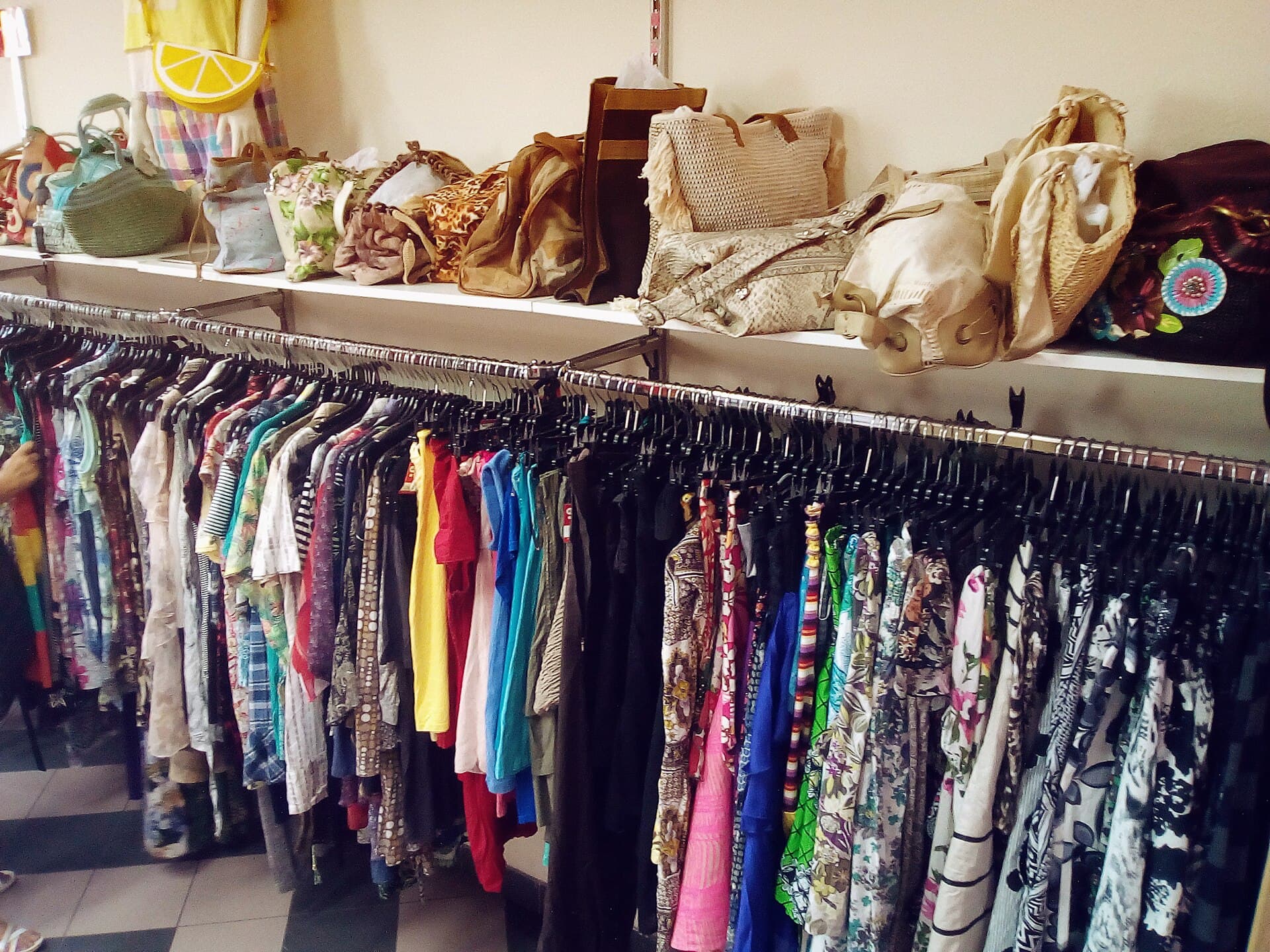
For shoppers tired of flimsy trends and constant micro-hauls, thrift stores offer a slower, smarter way to buy clothes. The real appeal isn’t just saving money—it’s finding pieces that actually deserve closet space.
Why Independent Fashion Labels Need Community More Than Hype
Big fashion headlines can distract from the fragile reality of independent labels. For shoppers, the most meaningful support often looks less like chasing trends and more like showing up for small brands consistently.