The Best Dinner Guest Isn’t the One Who Agrees With You
A good meal can handle a little disagreement. For US diners, the real hosting skill isn’t avoiding every charged topic—it’s knowing how to keep the table comfortable, curious, and worth staying at.

American dining culture often treats political disagreement like a contamination risk: one wrong comment and the whole night is spoiled. But that approach can make social life feel smaller, stiffer, and oddly fragile. Shared meals have always been one of the few places where people can reveal what they actually think while still passing the bread, topping off a glass, and remembering they’re in a room with other human beings.
The trick is not to turn every dinner into a debate club. It’s to choose the kind of conversation that belongs at a table. There’s a big difference between asking someone how they came to a view and trying to score points before dessert. Curiosity travels better than performance, especially in restaurants where everyone is paying too much for the appetizers and would like to enjoy them in peace.
For hosts, this is less about ideology than atmosphere. Seating, pacing, and tone matter more than perfect agreement. A table does better when nobody feels ambushed, when one person isn’t allowed to dominate, and when there are easy exits into safer territory like travel, family traditions, neighborhood restaurants, or what’s worth ordering twice. Good hosting means protecting the mood without demanding blandness.
For guests, the useful rule is simple: don’t confuse honesty with aggression. You can disagree, decline a baited question, or say, "I see that differently," without making the evening your personal cable-news segment. In a country where so much conversation happens through screens, a decent dinner with people who are not exactly like you may be one of the last affordable ways to practice being social adults.
Photo: Nebo.Oly via Wikimedia Commons (CC BY-SA 3.0).

Related stories
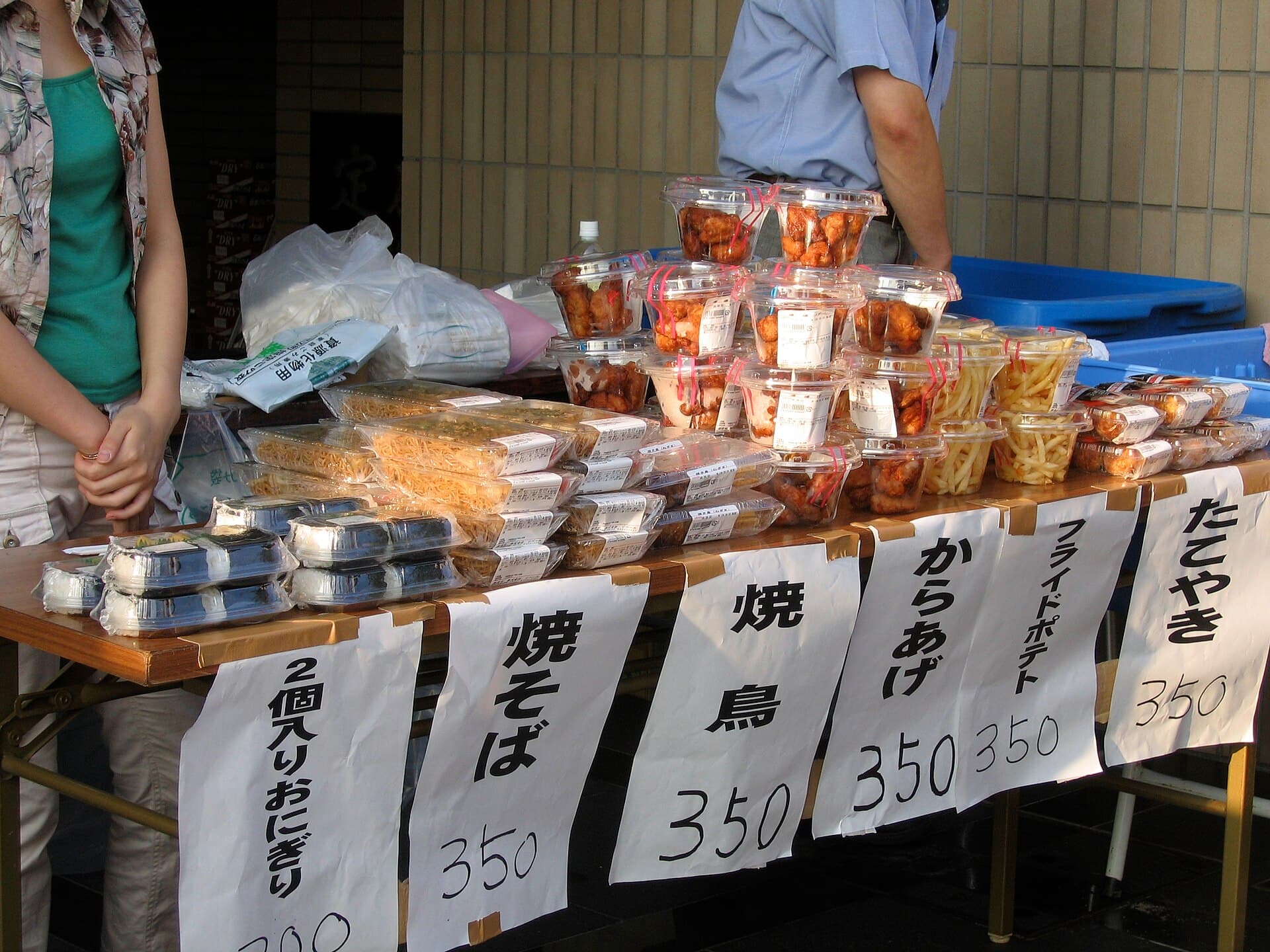
Why Neighborhood Food Festivals Are the Best Way to Try Japanese Cooking
A local Japanese food festival can be a smarter introduction than a pricey restaurant reservation. The best part is the chance to try a wider range of dishes, flavors, and community traditions in one afternoon.
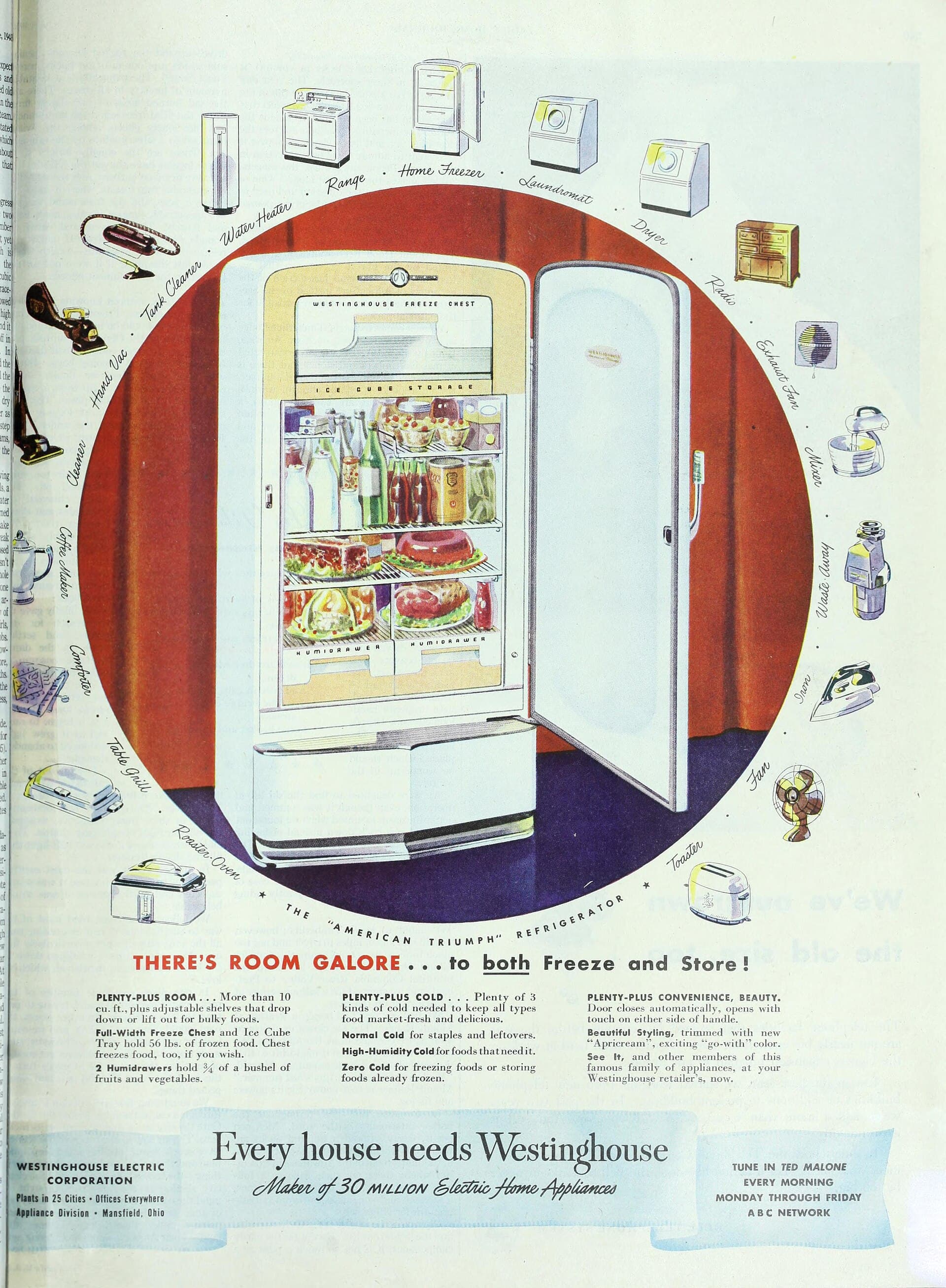
The Cheapest Meal Upgrade Is Learning to Cook What You Already Bought
A smarter kitchen starts before the grocery store and pays off all week. Using what’s already in the fridge can stretch a food budget without making meals feel like leftovers on repeat.

What Diners Should Look For Before Making a Food Truck Park a Regular Stop
When a food truck park becomes the center of online complaints, it’s a reminder that diners should pay attention to more than just the menu photos. A great food stop needs consistency, transparency, and a setup that works for both customers and vendors.