The Best Fast-Food Customizations Are the Ones That Keep the Line Moving
Tweaking a fast-food order isn’t bad manners by itself, but how you do it matters. A simple, realistic change can make a meal work better for your taste, budget, or diet without turning the counter into a negotiation.
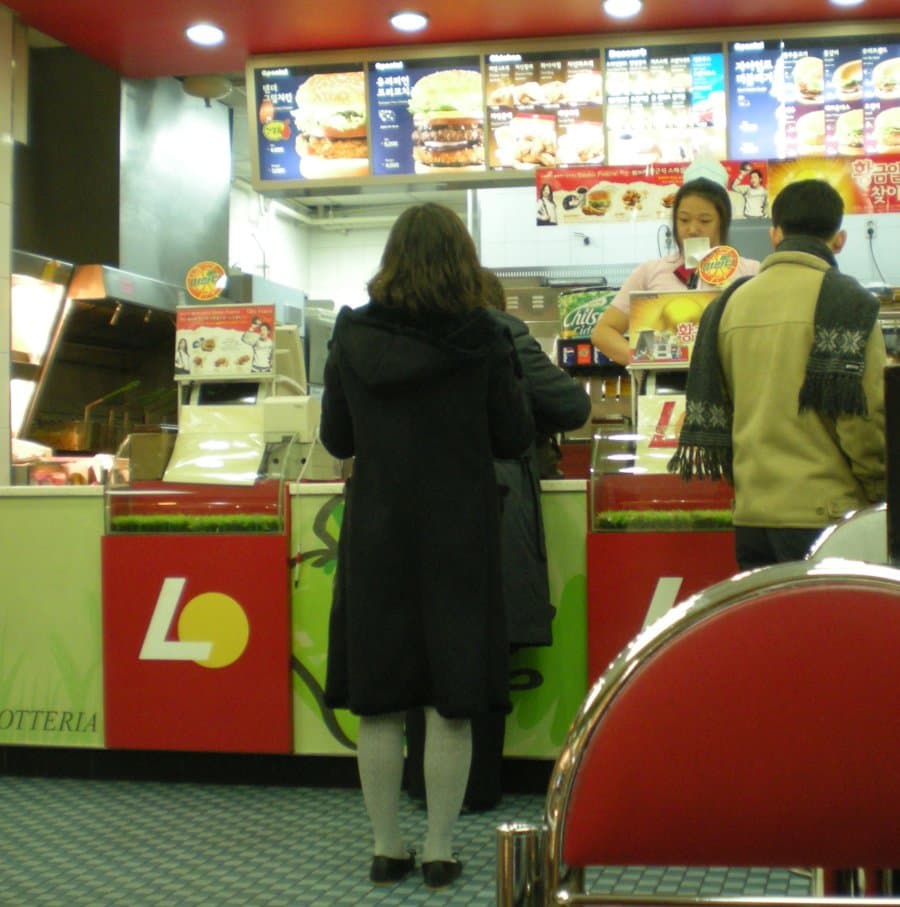
Fast food has always quietly depended on customization. No onions, extra pickles, sauce on the side, swap one drink for another if the combo allows it—most people have made at least one small change to a standard order. The issue usually isn’t the request itself. It’s whether you’re asking for something the restaurant can actually do quickly, with the ingredients and systems it already has in place.
For most customers, the practical rule is simple: ask for straightforward edits, not a full redesign. Leaving ingredients off is usually easier than building a menu item into something completely different. Requesting a common add-on is different from trying to combine pieces of three separate sandwiches into one custom order during a lunch rush. If your change sounds like it would confuse the receipt, slow down the kitchen, or require a long explanation, that’s a sign to scale it back.
There’s also a money angle here that regular fast-food fans understand. A smart substitution can help you get a meal you’ll actually eat instead of paying for extras you don’t want. But it’s worth checking your expectations. Some chains charge for additions, some won’t credit you for removing ingredients, and some combo meals are rigid by design. The best move is to ask briefly, accept the answer, and decide whether the standard version is still worth it.
In other words, customization is less about etiquette than about timing and flexibility. Be clear, be polite, and know when to keep it simple. Fast food works best when it stays fast, and the customers who get the best results are usually the ones who know the difference between a quick tweak and a special project.
Photo: Mindme via Wikimedia Commons (Public domain).

Related stories
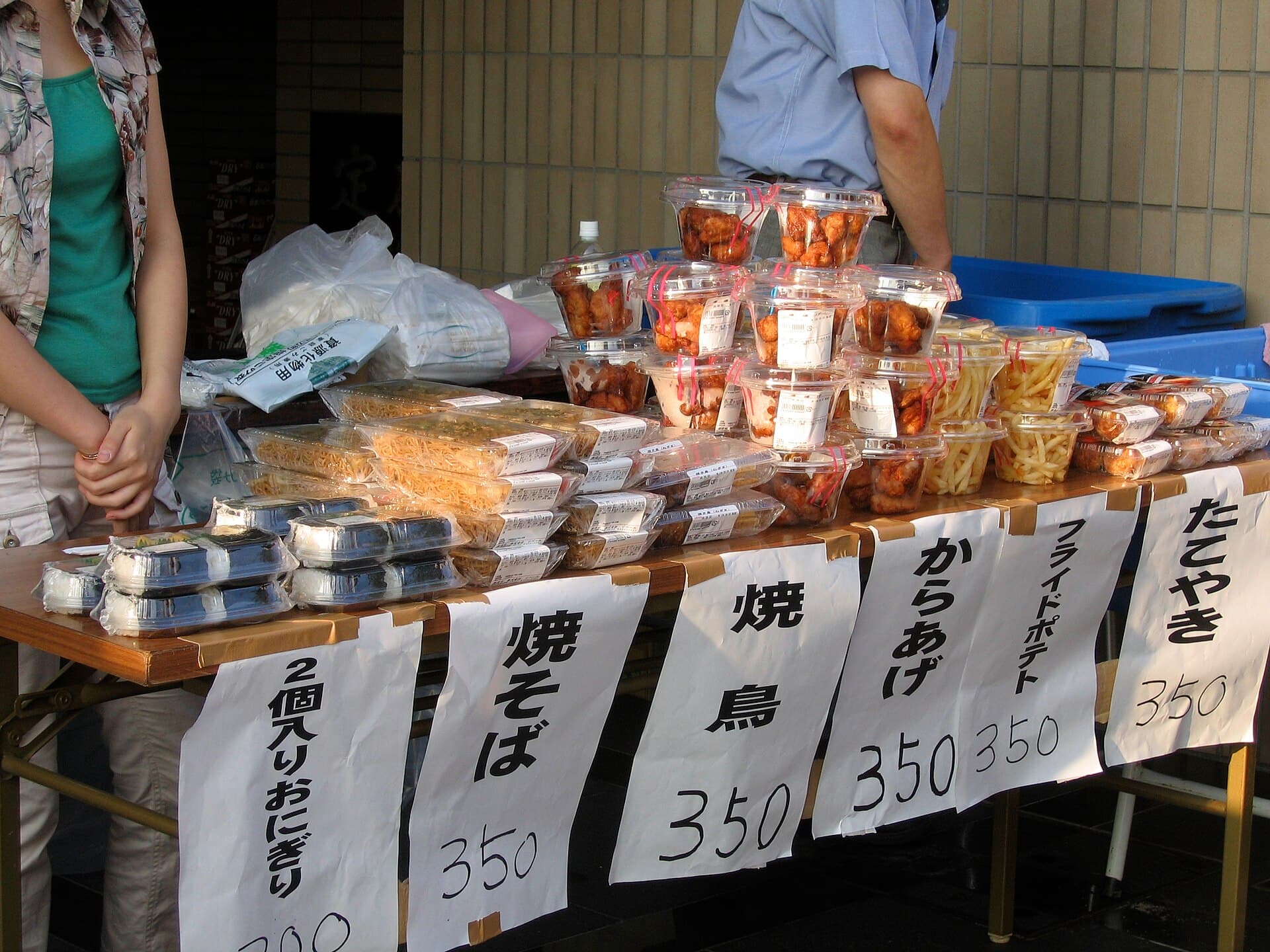
Why Neighborhood Food Festivals Are the Best Way to Try Japanese Cooking
A local Japanese food festival can be a smarter introduction than a pricey restaurant reservation. The best part is the chance to try a wider range of dishes, flavors, and community traditions in one afternoon.
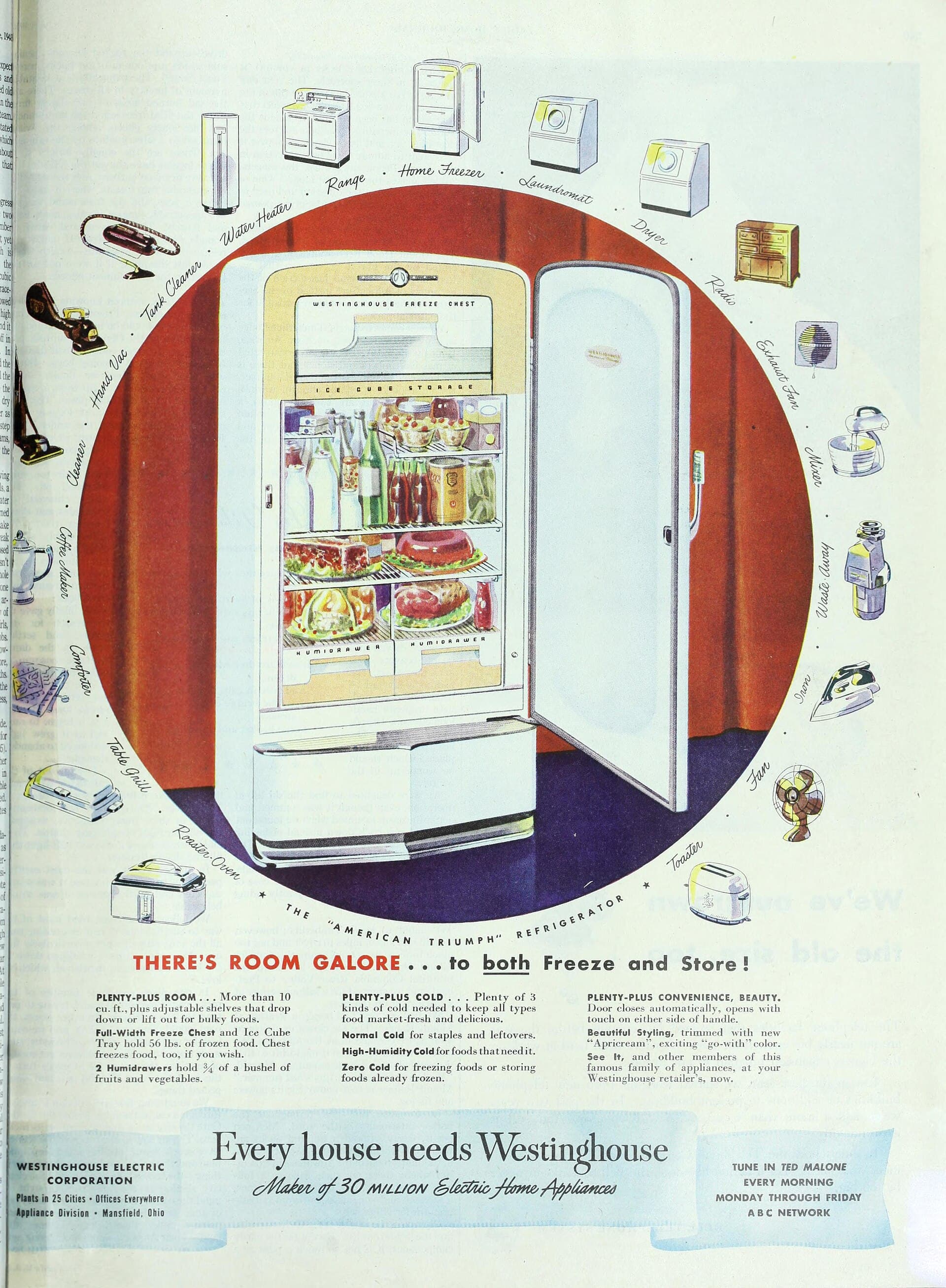
The Cheapest Meal Upgrade Is Learning to Cook What You Already Bought
A smarter kitchen starts before the grocery store and pays off all week. Using what’s already in the fridge can stretch a food budget without making meals feel like leftovers on repeat.

What Diners Should Look For Before Making a Food Truck Park a Regular Stop
When a food truck park becomes the center of online complaints, it’s a reminder that diners should pay attention to more than just the menu photos. A great food stop needs consistency, transparency, and a setup that works for both customers and vendors.