The Best Recipe Sites Still Feel Like a Tip From a Friend
After years of scroll-heavy food content, plenty of home cooks are rediscovering what made early recipe websites so useful: personality, clear instructions, and meals that actually fit real life. The most valuable food media still earns a spot in your bookmarks, not just your feed.
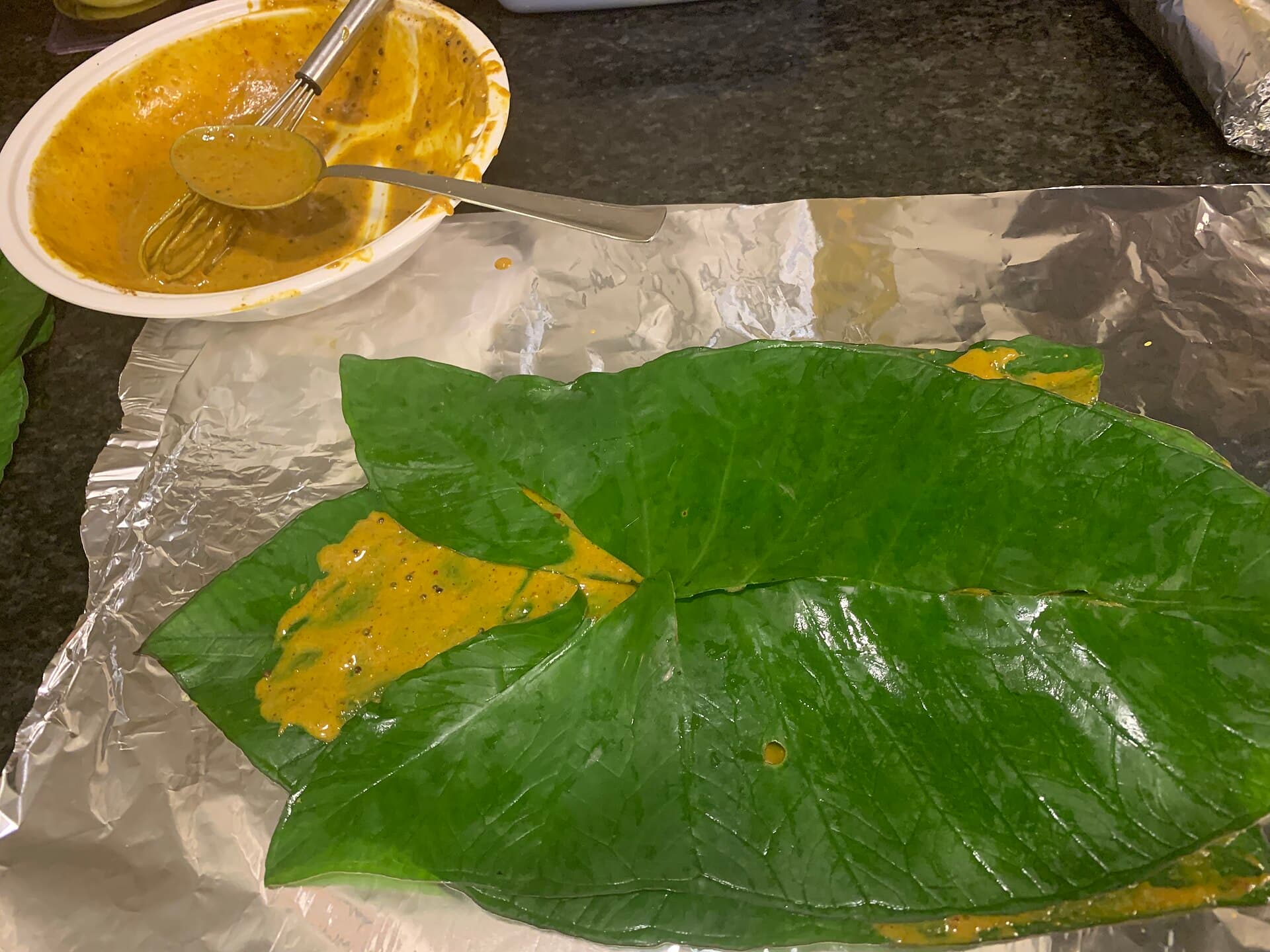
Long before every dinner idea arrived as a short video, food websites built loyal readers by being genuinely helpful. The best ones didn’t just tell you what to cook; they told you what was worth buying, what could be skipped, and how to rescue a dish when dinner went sideways. That kind of practical voice still matters, especially now that so much food content is designed to be watched more than cooked.
For shoppers and home cooks, the biggest difference is usability. A reliable recipe source saves money because it cuts down on abandoned ingredients, vague techniques, and aspirational grocery runs for a Tuesday night meal nobody really has time to make. Good food writing respects the budget, the schedule, and the fact that most people are cooking in regular kitchens with regular pans.
There’s also something refreshing about recipe sites and newsletters that have a point of view. Not every meal needs to chase restaurant trends or algorithm-friendly spectacle. Sometimes the smartest dinner inspiration is a writer who has tested the pasta three times, admits when pre-shredded cheese is fine, and explains whether leftovers will still taste good tomorrow. That honesty is more useful than perfection.
For readers, this is a good moment to be choosy. Save the sources that give substitutions, shopping guidance, and realistic timing, and let the rest stay in the scroll. In food media, the most enduring value usually isn’t novelty. It’s trust, and trust is what turns a recipe from content into dinner.
Photo: CHEFTB2 via Wikimedia Commons (CC BY-SA 4.0).

Related stories
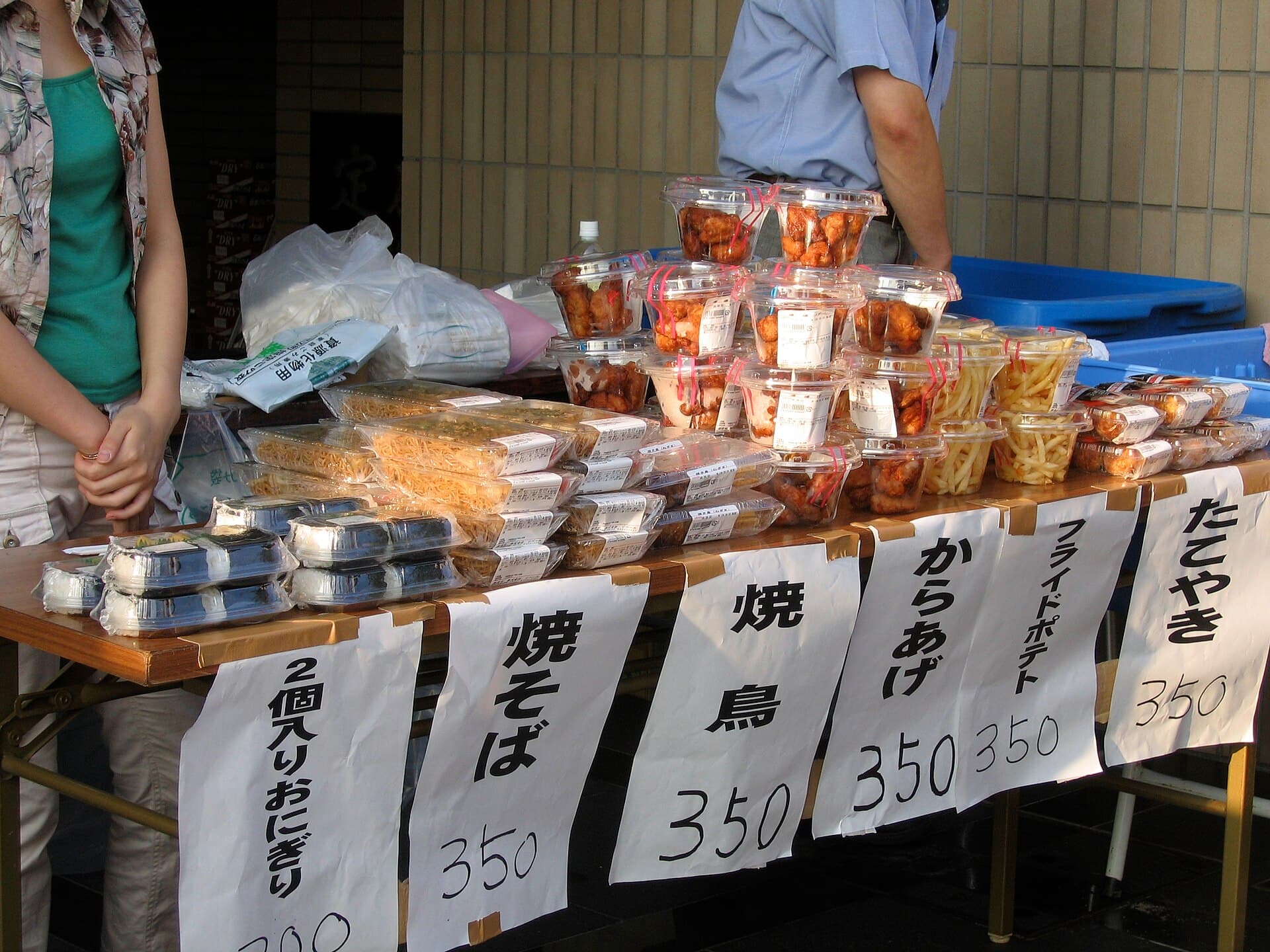
Why Neighborhood Food Festivals Are the Best Way to Try Japanese Cooking
A local Japanese food festival can be a smarter introduction than a pricey restaurant reservation. The best part is the chance to try a wider range of dishes, flavors, and community traditions in one afternoon.
The Cheapest Meal Upgrade Is Learning to Cook What You Already Bought
A smarter kitchen starts before the grocery store and pays off all week. Using what’s already in the fridge can stretch a food budget without making meals feel like leftovers on repeat.

What Diners Should Look For Before Making a Food Truck Park a Regular Stop
When a food truck park becomes the center of online complaints, it’s a reminder that diners should pay attention to more than just the menu photos. A great food stop needs consistency, transparency, and a setup that works for both customers and vendors.