The Best Weeknight Cookbooks Don’t Show Off — They Bail You Out
The most useful new cookbooks aren’t about culinary theater. They’re about a short list of low-stress meals you can actually make on a busy Tuesday and still want to eat again.

There’s a big difference between a cookbook you admire and a cookbook you actually use. The pretty ones can live on the coffee table, but the real MVP is the one that gets opened when it’s 6:15, everyone’s hungry, and you need dinner to work without a second grocery run. That’s why easy, repeatable recipes keep winning: they fit real life better than ambitious food-project energy ever will.
For most home cooks, the sweet spot is a recipe that feels just a little more put together than a default pasta night, but not so involved that it turns cooking into a chore. The best approachable dishes usually share the same traits: familiar ingredients, flexible swaps, minimal pans, and a payoff that tastes like more effort than it took. That’s not laziness; that’s good design.
This is also where new cookbooks can still be genuinely useful, even in the age of endless recipe clips. A solid collection gives you a point of view, not just instructions. It helps answer the nightly question of what to make when you’re tired of your own rotation, and it can gently push you toward better habits like keeping a few versatile staples around, seasoning more confidently, or building one meal into tomorrow’s lunch.
If you’re thinking about adding another cookbook to your kitchen, the best test is simple: can you picture yourself cooking from it on a Wednesday? Not for guests, not for a holiday, not for a someday version of your life. A truly helpful food book earns its spot by making ordinary meals easier, calmer, and more satisfying — which is exactly what most of us need from dinner right now.
Photo: User:Nino Barbieri via Wikimedia Commons (CC BY 2.5).

Related stories
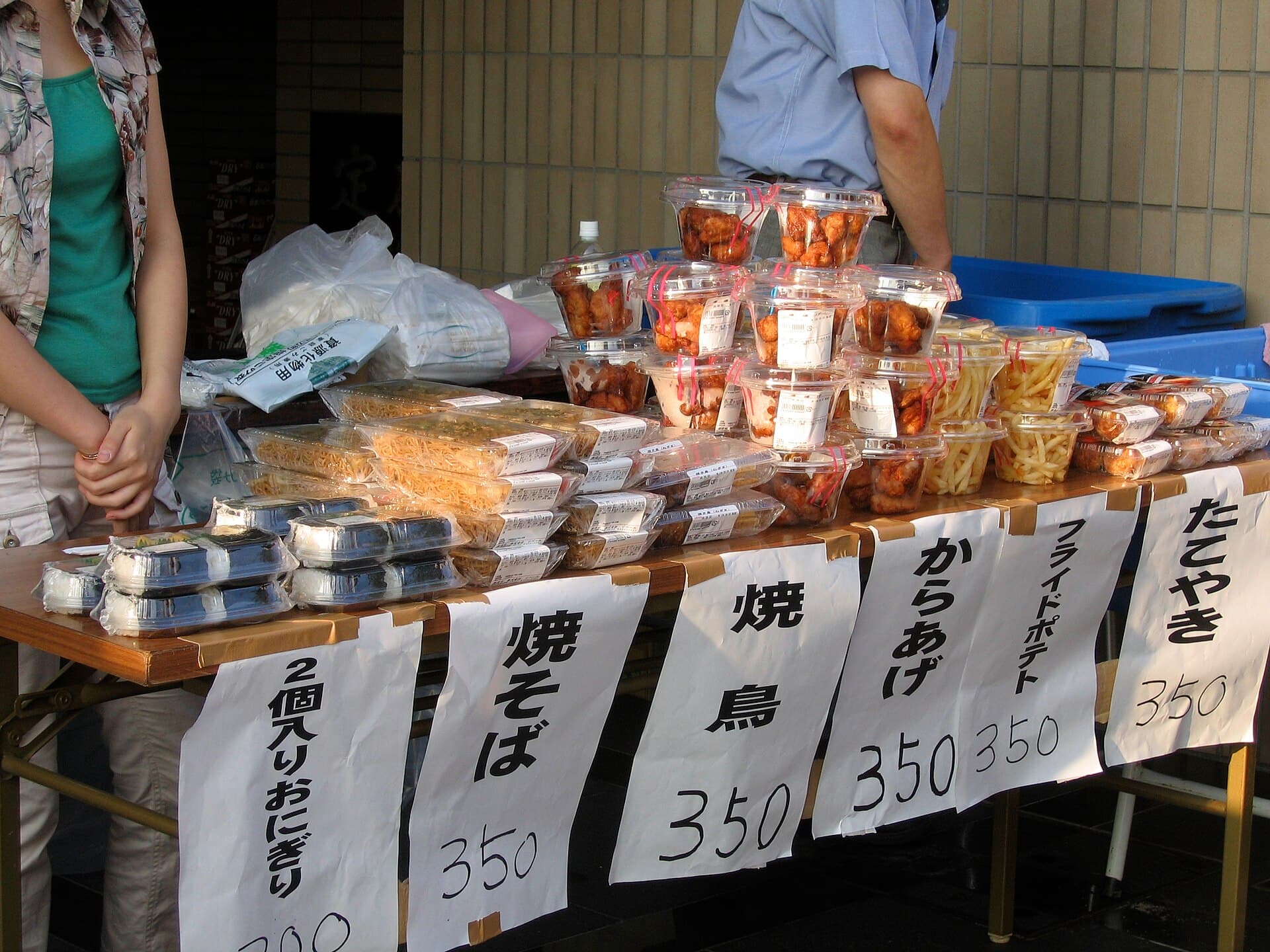
Why Neighborhood Food Festivals Are the Best Way to Try Japanese Cooking
A local Japanese food festival can be a smarter introduction than a pricey restaurant reservation. The best part is the chance to try a wider range of dishes, flavors, and community traditions in one afternoon.
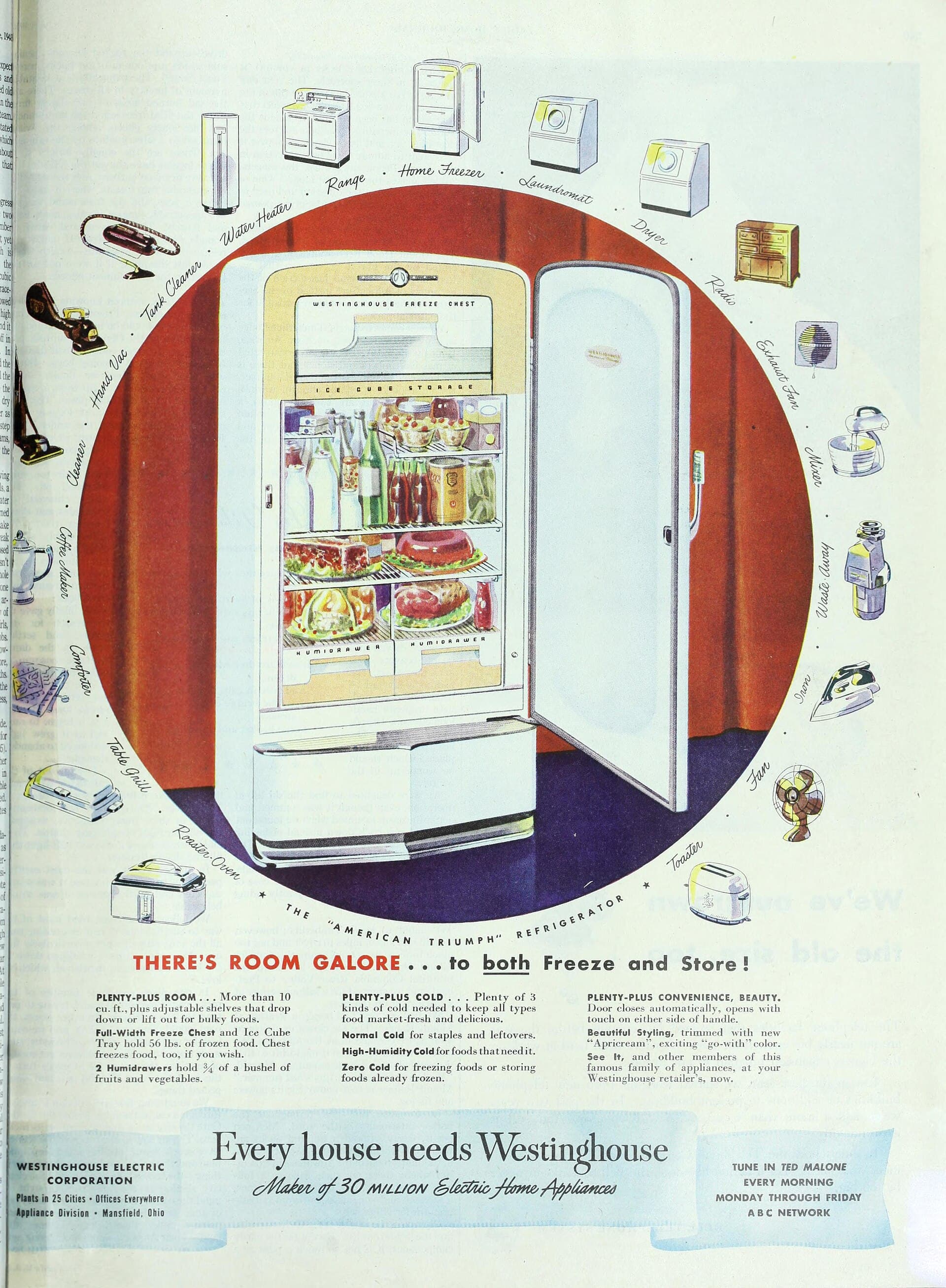
The Cheapest Meal Upgrade Is Learning to Cook What You Already Bought
A smarter kitchen starts before the grocery store and pays off all week. Using what’s already in the fridge can stretch a food budget without making meals feel like leftovers on repeat.

What Diners Should Look For Before Making a Food Truck Park a Regular Stop
When a food truck park becomes the center of online complaints, it’s a reminder that diners should pay attention to more than just the menu photos. A great food stop needs consistency, transparency, and a setup that works for both customers and vendors.