The Best Wine Souvenir Might Be a Better Sense of Soil
Wine travel often focuses on tastings and postcard views, but the most useful takeaway is learning how soil changes what ends up in your glass. For American drinkers, that shift can make shopping smarter and drinking more interesting at any price.
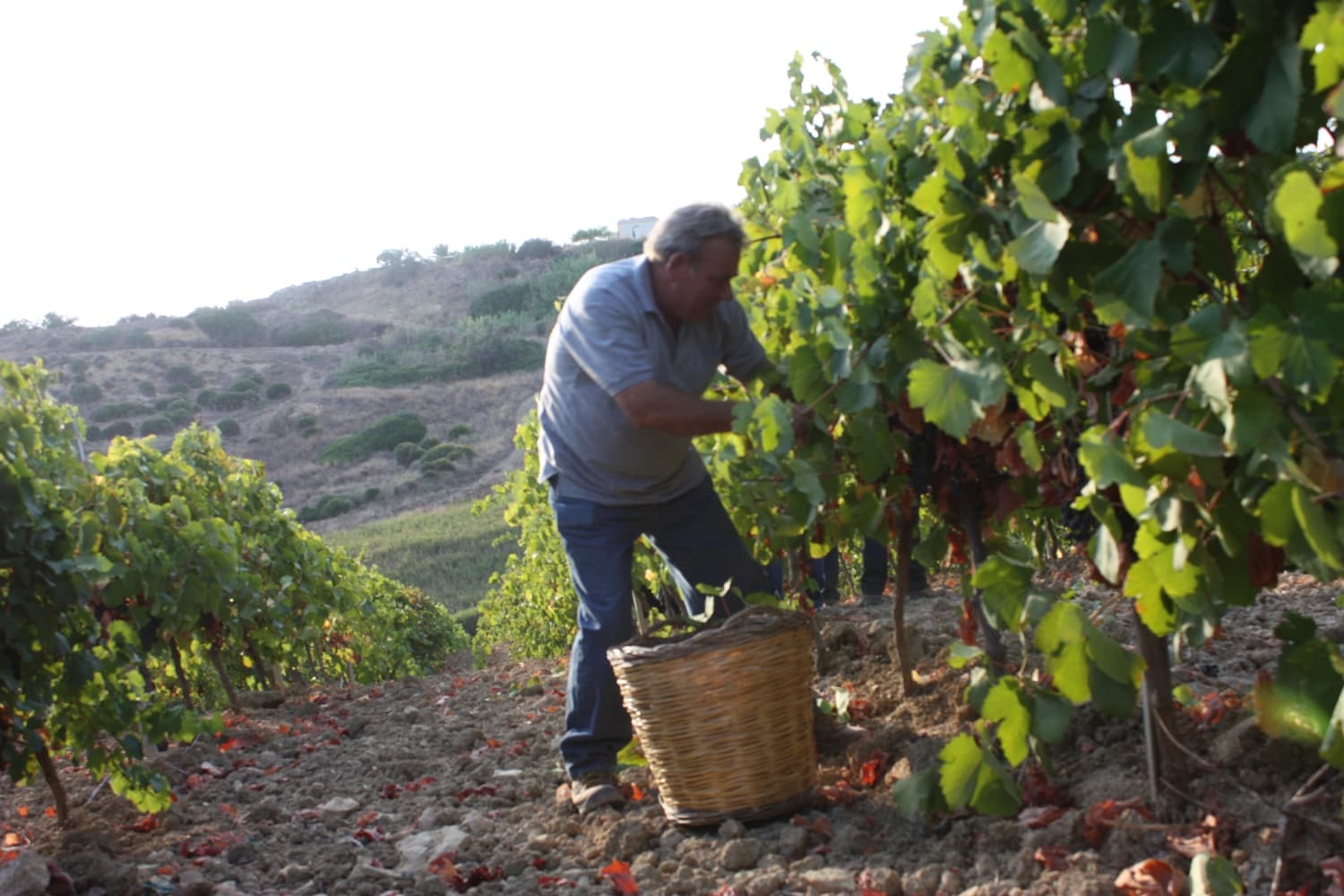
A lot of wine tourism is built around the obvious pleasures: scenic vineyards, cellar pours, and the fantasy of bringing home a bottle that somehow tastes better because you drank it near the source. But one of the most practical things a traveler can bring back is a sharper feel for the ground beneath the vines. Once you start paying attention to soil, wine stops feeling like a wall of vague tasting notes and starts becoming easier to understand.
paragraphs like “mineral,” “stony,” and “chalky” can sound like wine-world filler until you stand in a vineyard and see how different one plot looks from the next. The useful lesson for US readers is not that you need to become a geology hobbyist. It’s that place matters in a very specific way, and that idea can help you shop with more confidence. If you like a crisp white from one region, looking into the kind of terrain it grows in can point you toward other bottles with a similar structure and tension, even when the grape is different.
This is also a good reminder that expensive wine is not always the most interesting wine. Regions that emphasize farming, site, and soil often produce bottles that feel distinctive without relying on luxury branding. That is a valuable mindset to bring back to an American wine shop, where labels and price tags can do a lot of psychological heavy lifting. A better question than “Is this prestigious?” is “What kind of place does this come from, and what does that do to the wine?”
For everyday drinkers, that shift is liberating. You do not need to memorize maps or master a tasting grid to enjoy wine more deeply. Ask what the vineyard is rooted in, not just what fruit you are supposed to smell. The answer may not turn every bottle into a revelation, but it can make wine feel less like a status test and more like an agricultural product with a real story—one that starts in the dirt and ends at your dinner table.
Photo: Fabio Ingrosso via Wikimedia Commons (CC BY 2.0).

Related stories
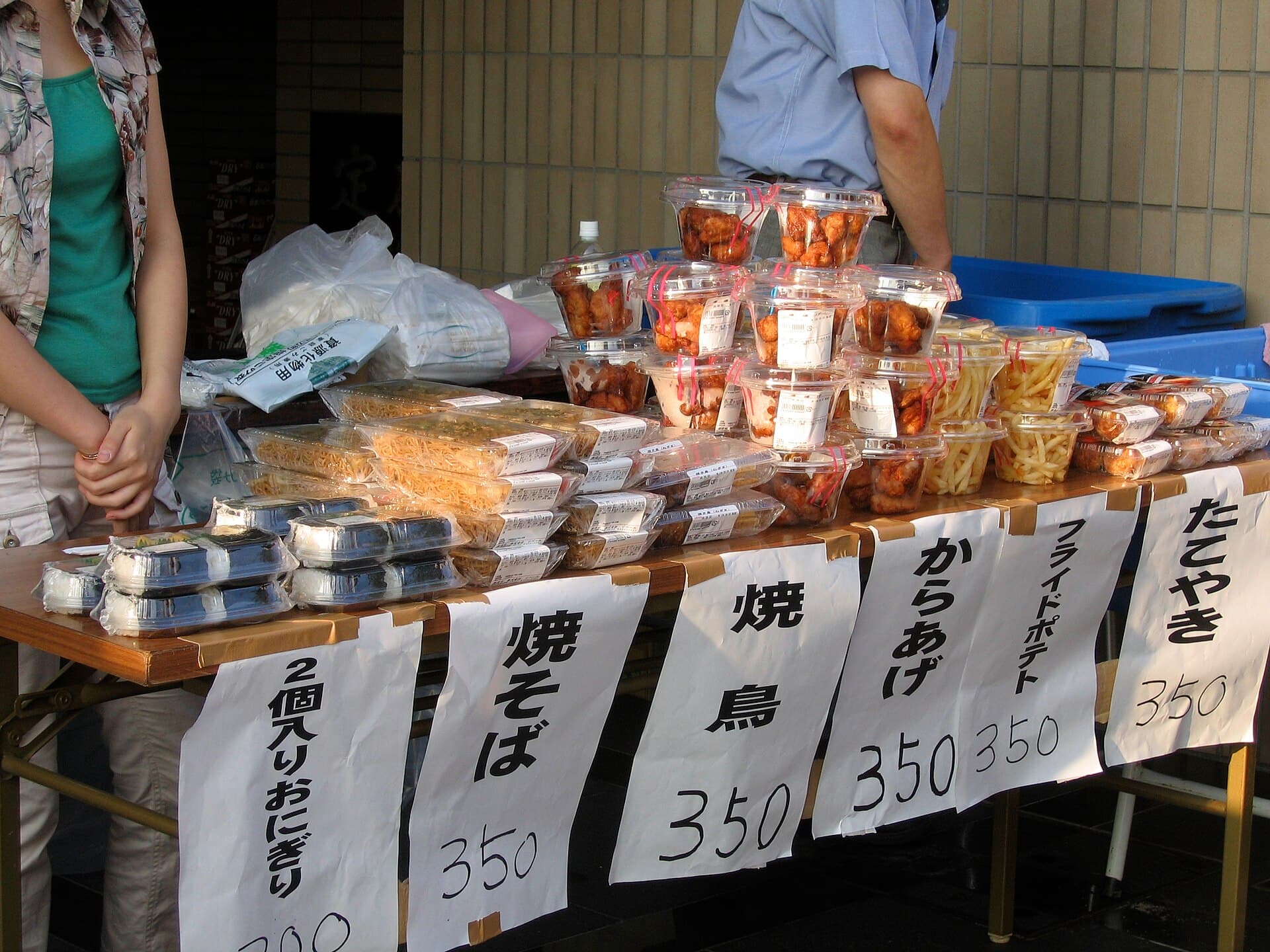
Why Neighborhood Food Festivals Are the Best Way to Try Japanese Cooking
A local Japanese food festival can be a smarter introduction than a pricey restaurant reservation. The best part is the chance to try a wider range of dishes, flavors, and community traditions in one afternoon.
The Cheapest Meal Upgrade Is Learning to Cook What You Already Bought
A smarter kitchen starts before the grocery store and pays off all week. Using what’s already in the fridge can stretch a food budget without making meals feel like leftovers on repeat.

What Diners Should Look For Before Making a Food Truck Park a Regular Stop
When a food truck park becomes the center of online complaints, it’s a reminder that diners should pay attention to more than just the menu photos. A great food stop needs consistency, transparency, and a setup that works for both customers and vendors.