Why Better Mexican Cooking Deserves Better Ordering Habits
Mexican food in the US is more exciting and more visible than it has ever been, but diners still shape the market with what they order. If you want more regional dishes and higher-quality cooking to stick around, your habits matter as much as the hype.
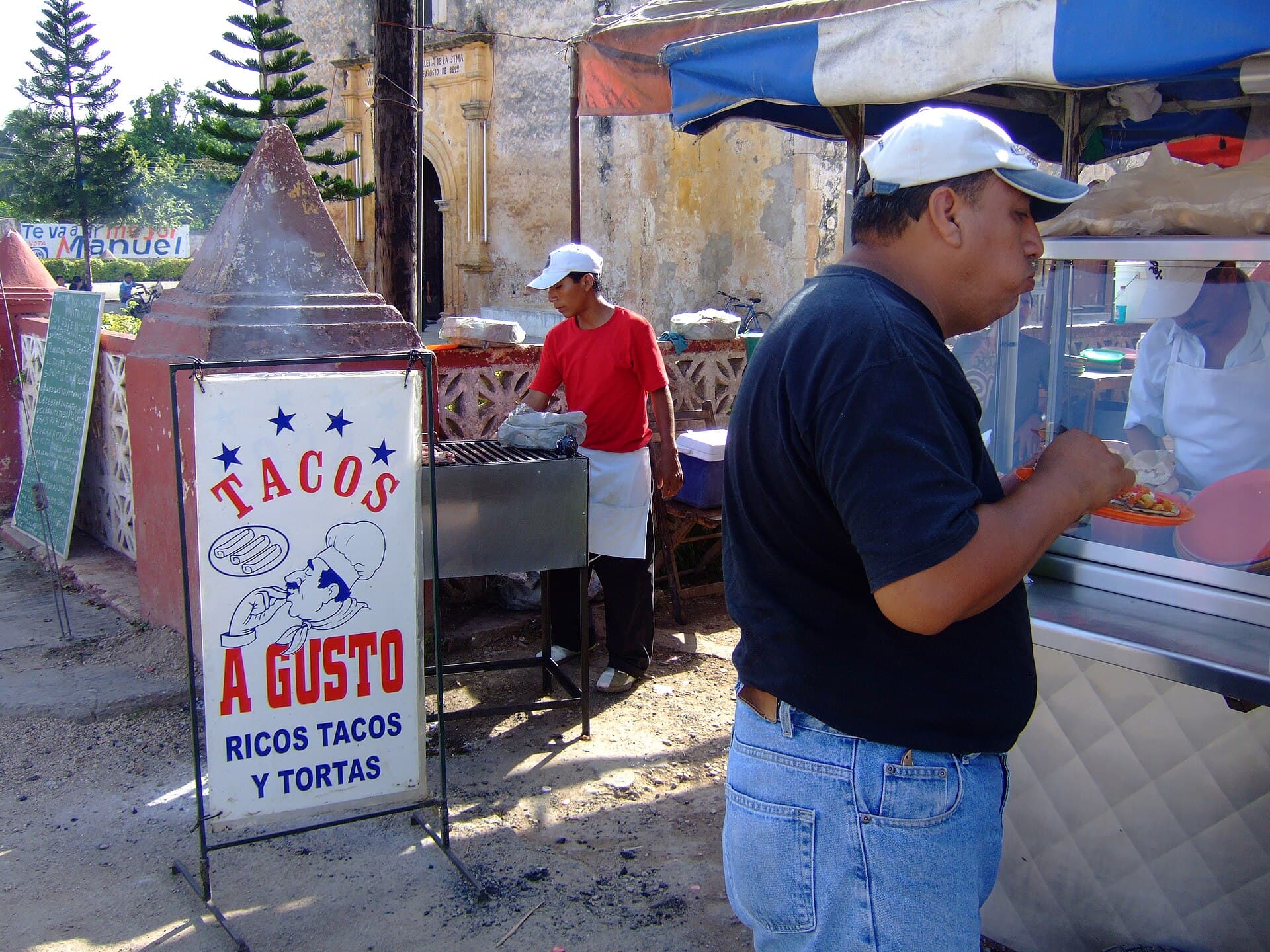
Mexican food in the US feels more vibrant than ever, but the most useful question for diners is not whether it is having a moment. It is whether we are willing to support the kind of restaurants we say we want. Plenty of people love the idea of regional moles, handmade tortillas, seafood specialties, and slow-cooked stews, then default to the safest combo plate on the menu. There is nothing wrong with comfort orders, but they can quietly limit what restaurants are able to keep making well.
If you want better Mexican food in your neighborhood, order like a regular with curiosity. Ask what the kitchen is proud of, try the dish that does not need a paragraph of translation, and do not treat handmade basics as interchangeable with mass-produced ones. A fresh tortilla, a careful salsa, or a deeply layered broth can tell you more about a place than the biggest burrito on the menu. The best finds are often the dishes that travel a little less neatly but taste much more alive at the table.
This also means adjusting expectations about value. American diners are used to Mexican food being affordable, filling, and fast, and sometimes all three are still possible. But when a restaurant is nixtamalizing corn, sourcing better ingredients, or making complex sauces from scratch, it should not be judged by old takeout logic alone. Cheap can be great, but cheap should not be the only standard by which a cuisine is allowed to succeed.
For readers who love a good food deal, the smartest move is to spend intentionally rather than just spend less. Go at lunch if dinner feels expensive, split a few dishes so you can try something new, and save the delivery app for the foods that survive the trip. Mexican cooking is broad, local, and deeply textured, and that variety only grows when customers reward it. The upside for everyday eaters is simple: better weeknight meals, more interesting neighborhood spots, and fewer boring orders disguised as tradition.
Photo: ebio via Wikimedia Commons (CC BY-SA 3.0).

Related stories
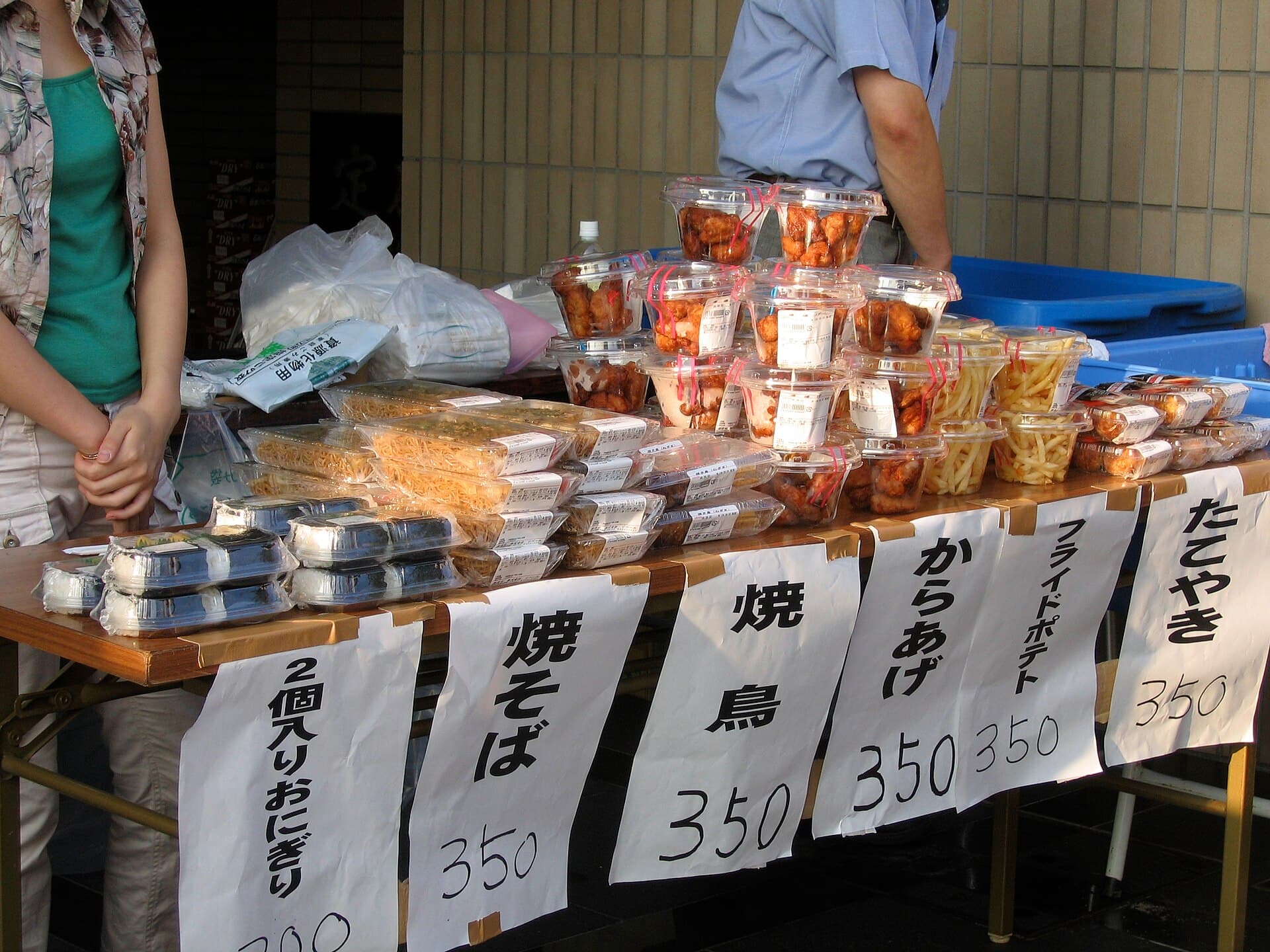
Why Neighborhood Food Festivals Are the Best Way to Try Japanese Cooking
A local Japanese food festival can be a smarter introduction than a pricey restaurant reservation. The best part is the chance to try a wider range of dishes, flavors, and community traditions in one afternoon.
The Cheapest Meal Upgrade Is Learning to Cook What You Already Bought
A smarter kitchen starts before the grocery store and pays off all week. Using what’s already in the fridge can stretch a food budget without making meals feel like leftovers on repeat.
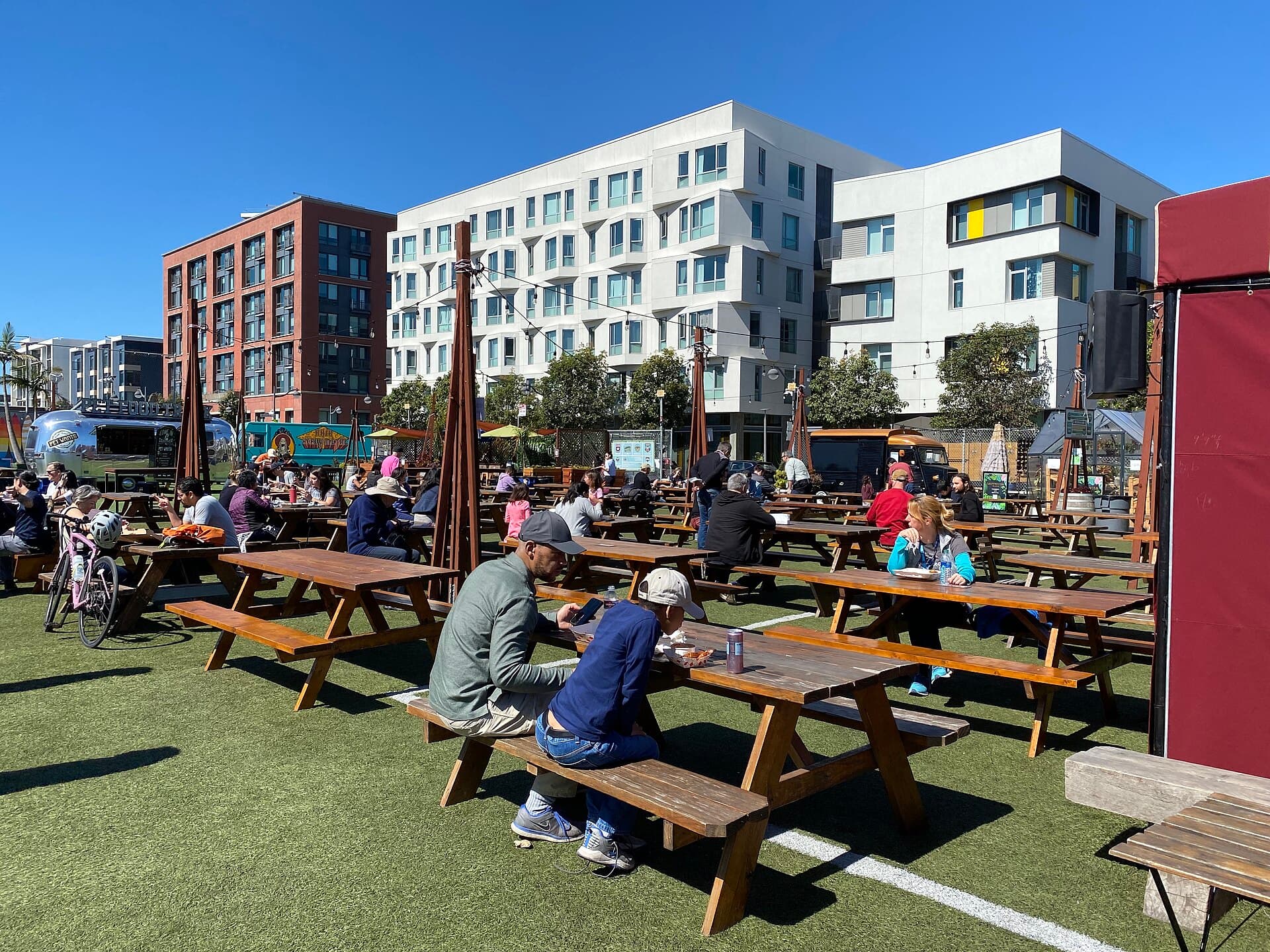
What Diners Should Look For Before Making a Food Truck Park a Regular Stop
When a food truck park becomes the center of online complaints, it’s a reminder that diners should pay attention to more than just the menu photos. A great food stop needs consistency, transparency, and a setup that works for both customers and vendors.