Why Better Public Food Buying Could Change What Ends Up on Your Plate
When states rethink how schools, hospitals, and other public programs buy food, the ripple effects can reach family budgets, local farms, and everyday meal quality. It’s not flashy, but procurement policy can shape what communities actually eat.
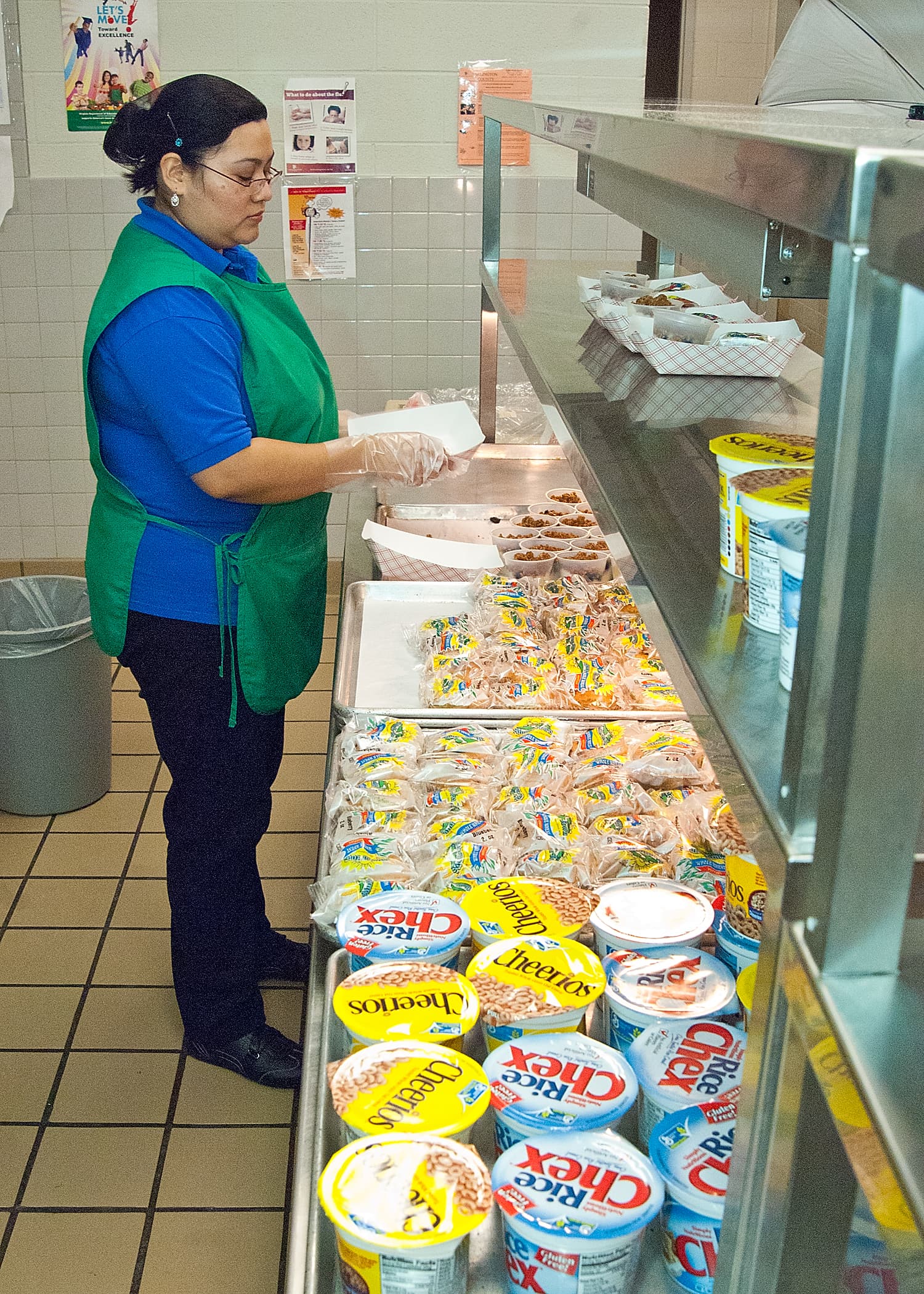
Food policy usually sounds abstract until you remember how much eating happens through public systems. School cafeterias, hospital kitchens, and other institutions buy enormous amounts of food, and those choices affect not just menus but the local food economy around them. When governments set clearer standards for freshness, regional sourcing, and fairness in the supply chain, it can quietly improve meals in places where convenience too often wins.
That matters for regular shoppers too. If more public dollars support nearby growers and food makers, communities can end up with stronger regional supply networks that don’t depend entirely on long, fragile chains. In plain English, that can mean better access to seasonal produce, more stable demand for small and midsize farms, and a food culture that values quality over the cheapest possible bid.
Of course, good intentions are not the same as good execution. Any policy like this has to work in real kitchens with real budgets, staffing shortages, and procurement rules that can make common sense surprisingly difficult. If standards are too vague, nothing changes; if they’re too rigid, schools and hospitals may struggle to meet them. The sweet spot is practical accountability: measurable goals, transparent reporting, and enough flexibility for institutions to actually serve food people want to eat.
For anyone who cares about grocery bills, lunch quality, or the future of local agriculture, this is the kind of unglamorous issue worth paying attention to. A lot of the nation’s food conversation gets stuck on individual choices, but institutional buying power can move the market faster than lectures ever will. Better public purchasing won’t solve every problem on the plate, but it’s one of the more believable ways to make better food feel normal instead of niche.
Photo: U.S. Department of Agriculture via Wikimedia Commons (Public domain).

Related stories
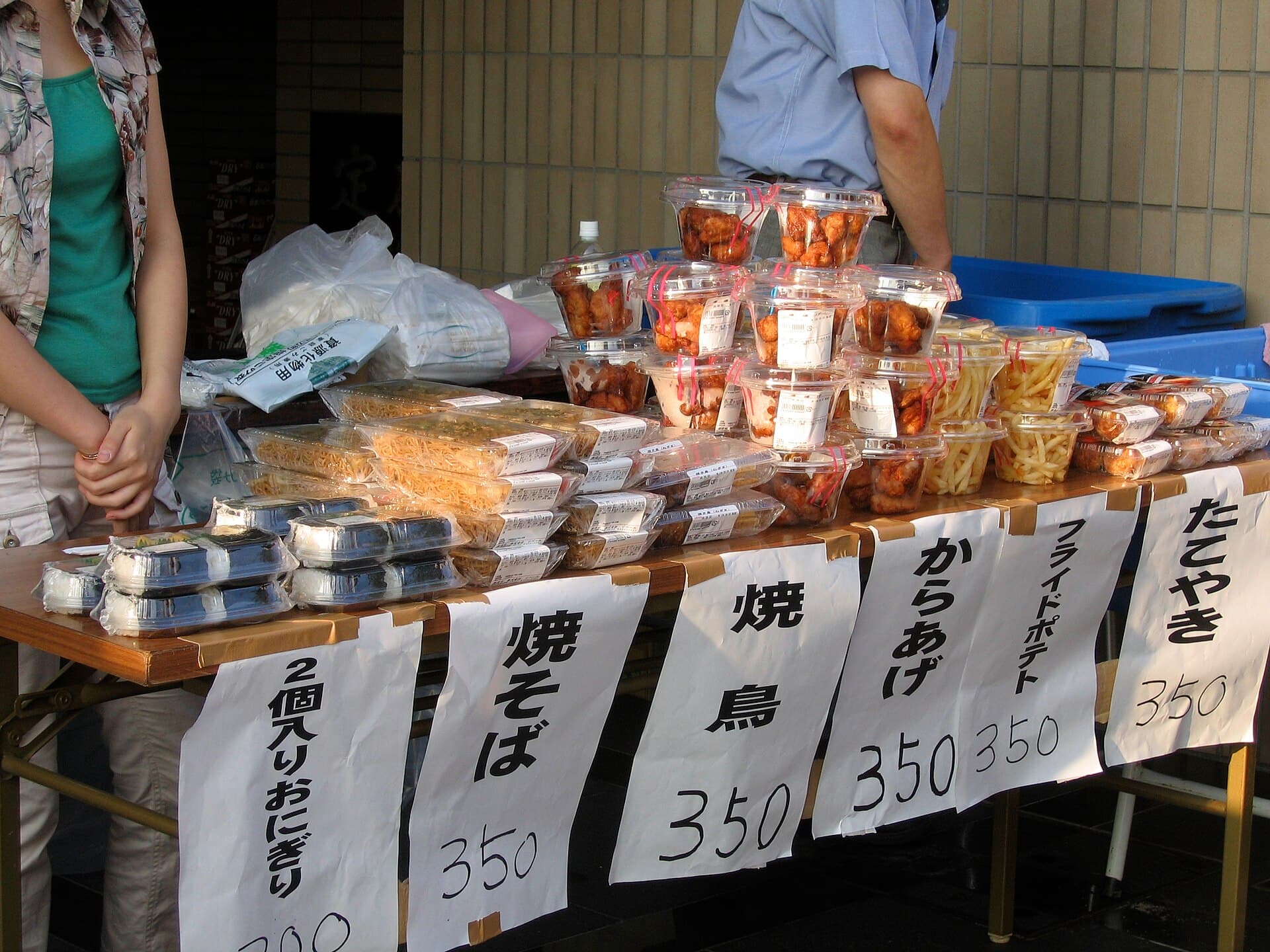
Why Neighborhood Food Festivals Are the Best Way to Try Japanese Cooking
A local Japanese food festival can be a smarter introduction than a pricey restaurant reservation. The best part is the chance to try a wider range of dishes, flavors, and community traditions in one afternoon.
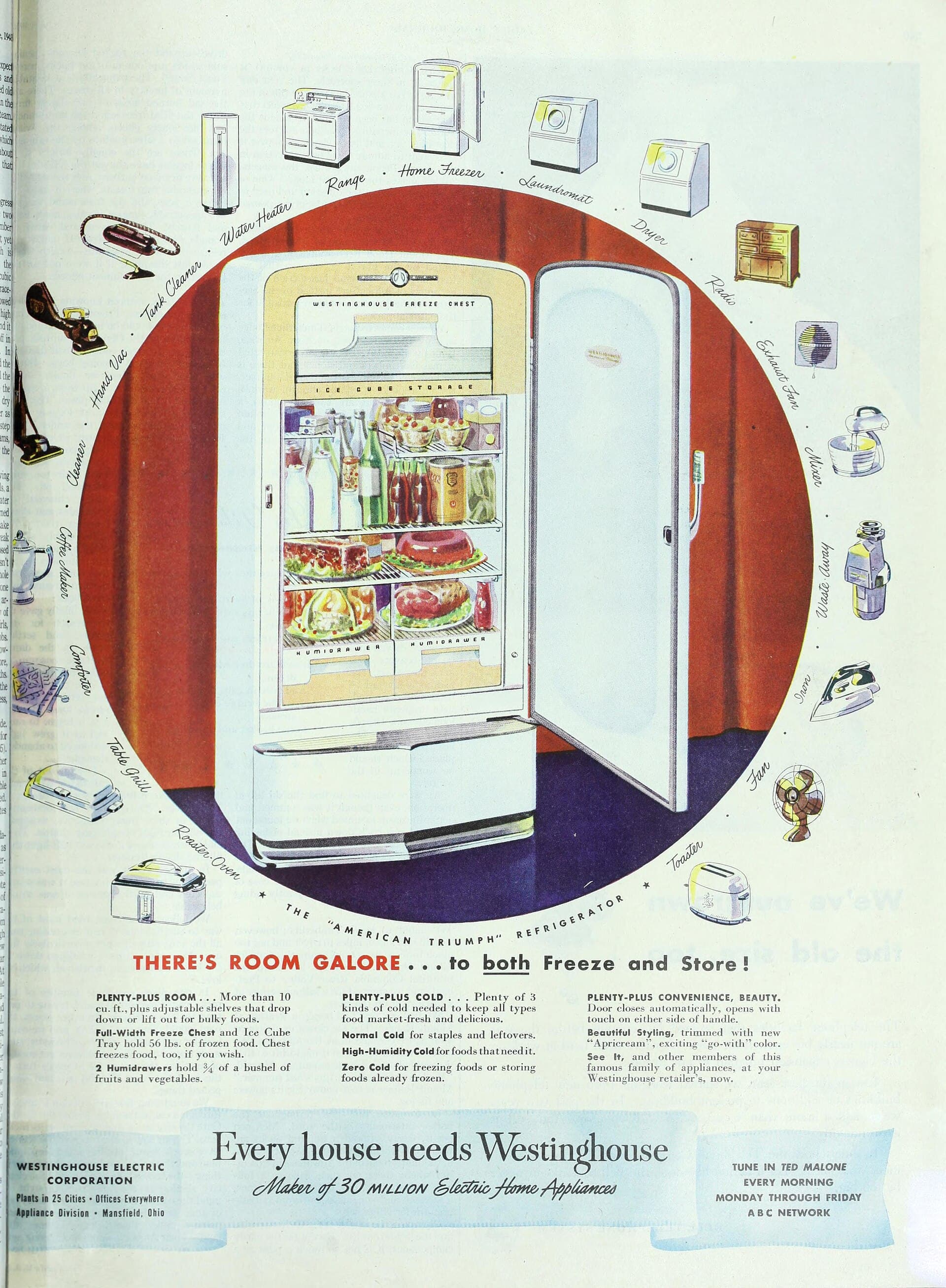
The Cheapest Meal Upgrade Is Learning to Cook What You Already Bought
A smarter kitchen starts before the grocery store and pays off all week. Using what’s already in the fridge can stretch a food budget without making meals feel like leftovers on repeat.
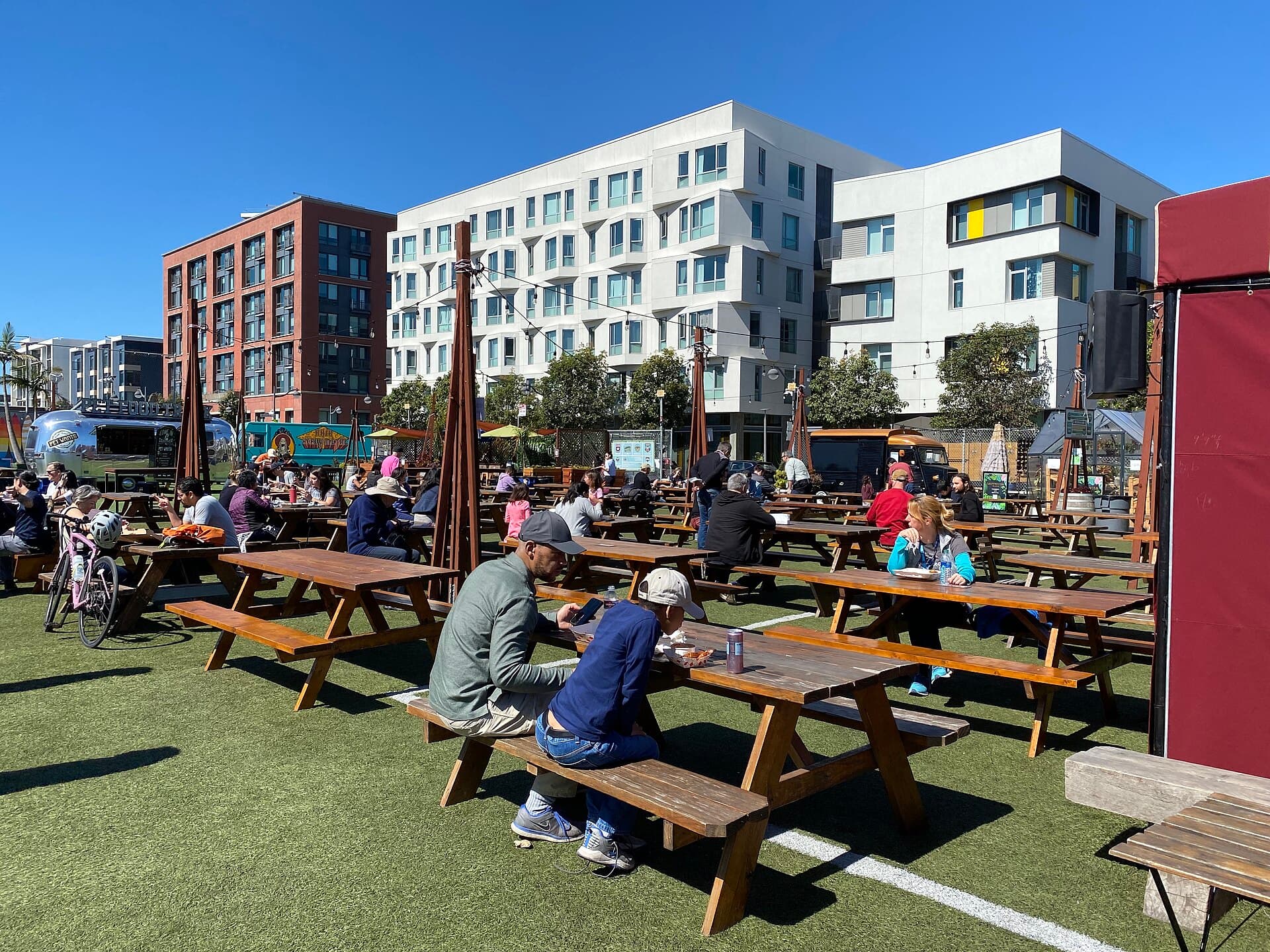
What Diners Should Look For Before Making a Food Truck Park a Regular Stop
When a food truck park becomes the center of online complaints, it’s a reminder that diners should pay attention to more than just the menu photos. A great food stop needs consistency, transparency, and a setup that works for both customers and vendors.