Why Better Recovery Basics Belong in the Clothing Aisle
Adaptive apparel works best when it feels like regular clothing with smarter details. For shoppers navigating recovery after surgery, comfort, dignity, and easy dressing should be standard features, not specialty extras.
The most useful clothing innovations are often the least flashy. When a brand focuses on women recovering from breast surgery, the real win is not novelty—it’s making everyday dressing less tiring, less awkward, and less emotionally loaded. Soft fabrics, easy closures, and cuts that don’t rub sensitive areas can matter more than any trend report.
There’s also a bigger retail lesson here: recovery wear should not feel separated from the rest of a woman’s wardrobe. Many shoppers want pieces that are functional first but still look like normal tops, sleepwear, or basics they’d actually choose on any other day. That kind of design respects the fact that medical needs are part of real life, not a separate style category.
For US consumers, this is where smaller apparel brands can be especially worth watching. Big retailers are good at scale, but niche labels often notice the details that chain-store assortments miss. If you’re shopping in this space, the practical checklist is simple: look for comfort at the seams, ease of getting dressed without strain, and silhouettes that don’t make someone feel like they’re wearing a workaround.
The broader appeal is easy to understand. Clothes that are gentler, easier to manage, and less restrictive are not only helpful after surgery—they’re often just better clothes. Apparel that meets people at a vulnerable moment and still lets them feel like themselves is not a niche idea at all. It’s a reminder that thoughtful design usually starts with listening, then ends up helping far more people than expected.
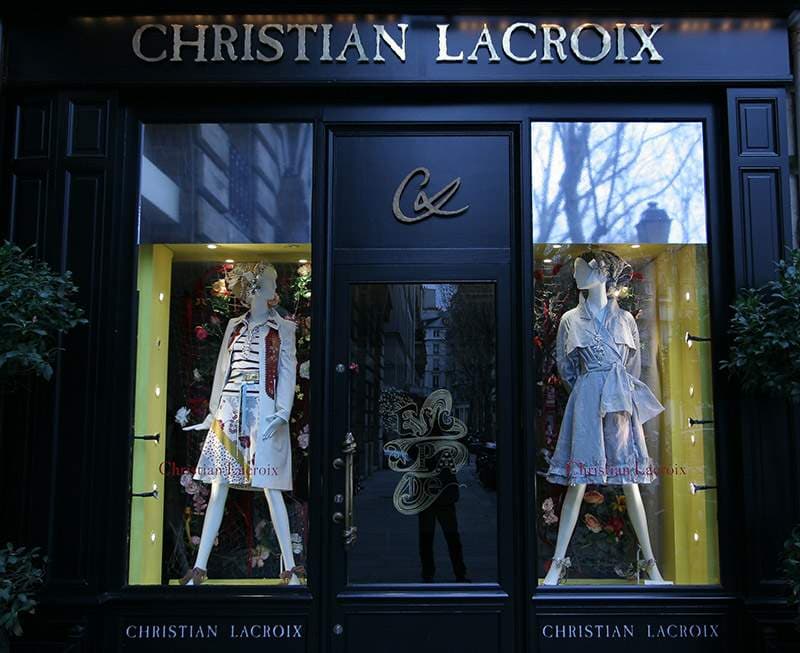
Photo: Arnaud 25 via Wikimedia Commons (CC BY-SA 3.0).

Related stories

The Best Trend in Fashion Right Now Is Looking Unbothered
The most wearable runway idea this season isn’t a single item—it’s the return of clothes that look lived in, easy, and ready for an actual day. For shoppers, that means buying less fantasy and more pieces that earn repeat wear.
The Best Closet Upgrade Might Be Someone Else’s Return Pile
For shoppers tired of flimsy trends and constant micro-hauls, thrift stores offer a slower, smarter way to buy clothes. The real appeal isn’t just saving money—it’s finding pieces that actually deserve closet space.

Why Independent Fashion Labels Need Community More Than Hype
Big fashion headlines can distract from the fragile reality of independent labels. For shoppers, the most meaningful support often looks less like chasing trends and more like showing up for small brands consistently.