Why a Big-Format Sports Store Can Change How a Mall Feels
When an oversized sports retailer lands in a traditional mall, it can shift the whole shopping trip from quick errand to planned outing. For apparel shoppers, that usually means more ways to compare fit, function, and value in one stop.
A large sports-focused store inside a classic mall setting does more than fill an empty box. It changes the rhythm of the trip. Instead of stopping by for one item and leaving, shoppers are more likely to turn the visit into a longer browse, especially when activewear, shoes, and everyday basics all sit near food, parking, and other familiar chains.
For apparel shoppers, that matters because sports retail has quietly become regular-clothes retail. Plenty of people now shop for leggings, hoodies, sneakers, and performance layers the same way they once shopped for denim or department-store casualwear. A bigger format usually means more room to compare fabrics, sizing, and sport-specific features without bouncing between multiple stores.
There is also a practical upside for families. When one stop can cover school sneakers, gym clothes, team gear, and a few weekend staples, it saves time and reduces the guesswork of online ordering. That convenience is especially appealing during back-to-school season or before a new sports season starts, when fit and comfort matter more than chasing a random internet deal.
The bigger question is whether this kind of retail makes malls feel useful again instead of merely nostalgic. My view is that it can, if the store gives people a reason to try things on, test quality in person, and discover pieces they will actually wear beyond the field or gym. In apparel, stores win when they make shopping feel less like scrolling and more like solving a real-life need.
Photo: The original uploader was Snow storm in Eastern Asia at English Wikipedia. via Wikimedia Commons (CC BY 3.0).

Related stories

The Best Trend in Fashion Right Now Is Looking Unbothered
The most wearable runway idea this season isn’t a single item—it’s the return of clothes that look lived in, easy, and ready for an actual day. For shoppers, that means buying less fantasy and more pieces that earn repeat wear.
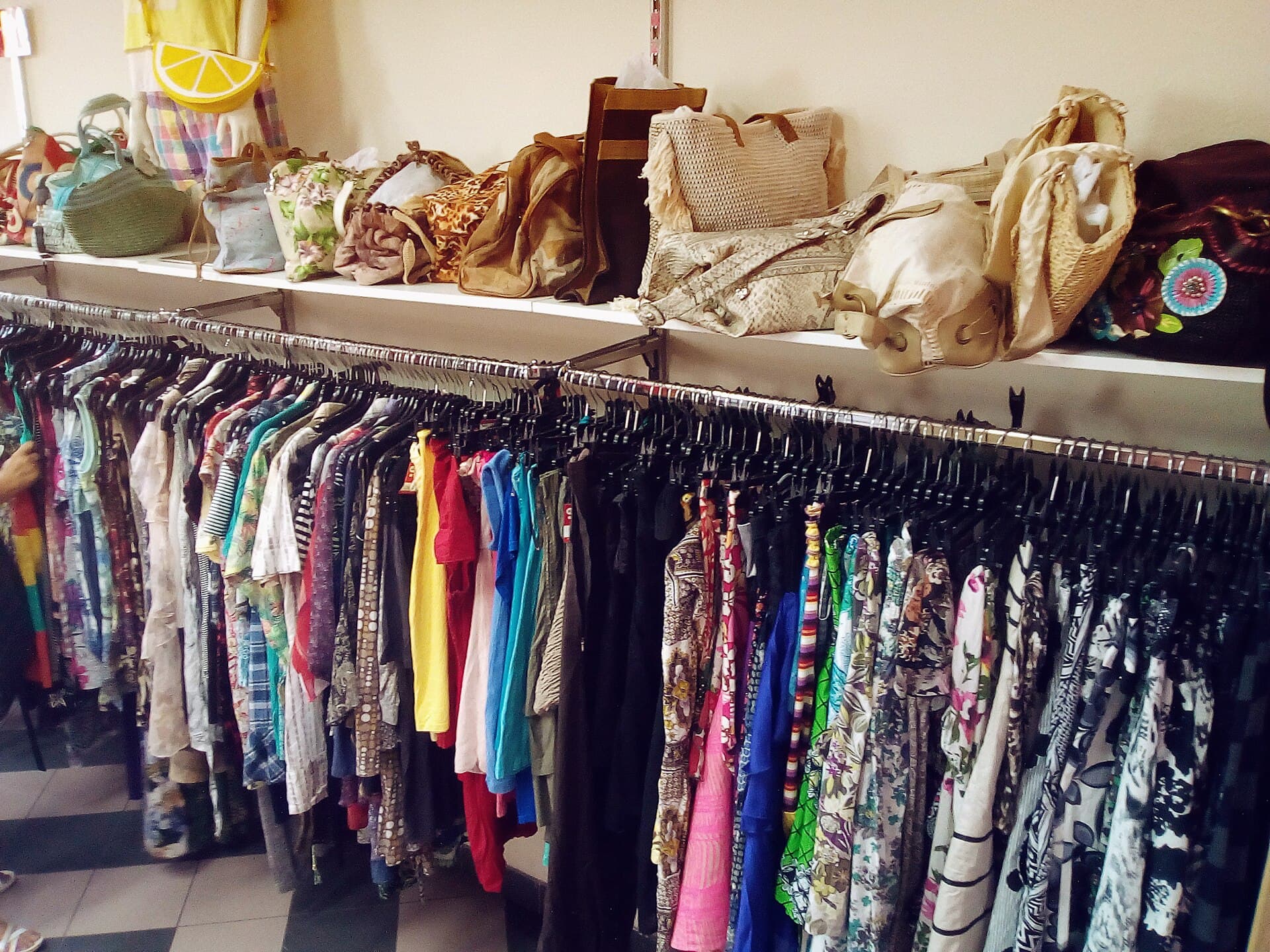
The Best Closet Upgrade Might Be Someone Else’s Return Pile
For shoppers tired of flimsy trends and constant micro-hauls, thrift stores offer a slower, smarter way to buy clothes. The real appeal isn’t just saving money—it’s finding pieces that actually deserve closet space.
Why Independent Fashion Labels Need Community More Than Hype
Big fashion headlines can distract from the fragile reality of independent labels. For shoppers, the most meaningful support often looks less like chasing trends and more like showing up for small brands consistently.