Why Your Next Best Clothing Deal Might Be in a Brand’s Resale Rack
More apparel labels are trying to keep shoppers inside their own resale ecosystems. For buyers, that can mean easier secondhand shopping—but only if the convenience is worth the markup.
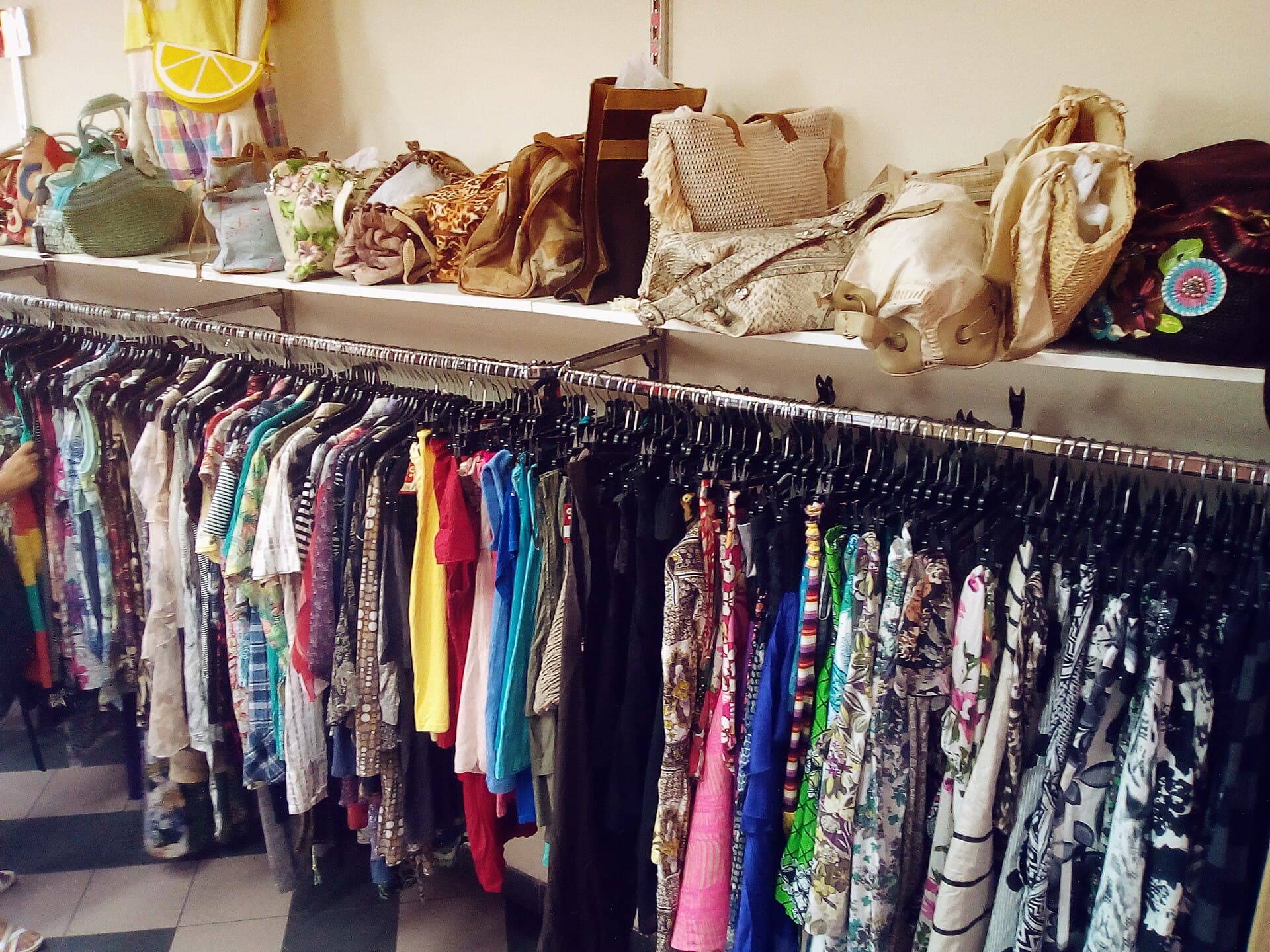
The resale boom is changing from a side hustle into a storefront strategy. Instead of leaving secondhand shopping to thrift chains, consignment apps, and neighborhood vintage stores, more fashion brands are trying to recapture that business themselves. For shoppers, the pitch is simple: buy used from the label you already trust, with cleaner photos, easier sizing info, and less guesswork about authenticity.
That convenience can be genuinely useful, especially for categories where fit and fabric matter. If you already know how a certain brand’s jeans, sneakers, or jackets wear over time, shopping that label’s resale channel can feel less like treasure hunting and more like restocking. It also creates a practical way to find last season’s better-made pieces after the current lineup has shifted toward trendier cuts or thinner materials.
But shoppers should keep one eye on the value equation. A branded resale page can feel more curated than a peer-to-peer marketplace, and that polish sometimes shows up in the final price. If a used item is being marketed with boutique language and official branding, it’s still worth comparing it with what’s available on broader resale platforms, at local consignment stores, or during a regular sale on new inventory.
The smartest move is to treat brand-run resale as one tool, not the automatic best deal. It’s a good option when you want a specific item, want more confidence in authenticity, or hope to resell your own clothes through the same system later. But if your goal is simply paying less, the old rules still apply: compare listings, check condition closely, and don’t let a sleek resale experience convince you that secondhand is a bargain by default.
Photo: MAKY.OREL via Wikimedia Commons (CC BY-SA 4.0).

Related stories

The Best Trend in Fashion Right Now Is Looking Unbothered
The most wearable runway idea this season isn’t a single item—it’s the return of clothes that look lived in, easy, and ready for an actual day. For shoppers, that means buying less fantasy and more pieces that earn repeat wear.
The Best Closet Upgrade Might Be Someone Else’s Return Pile
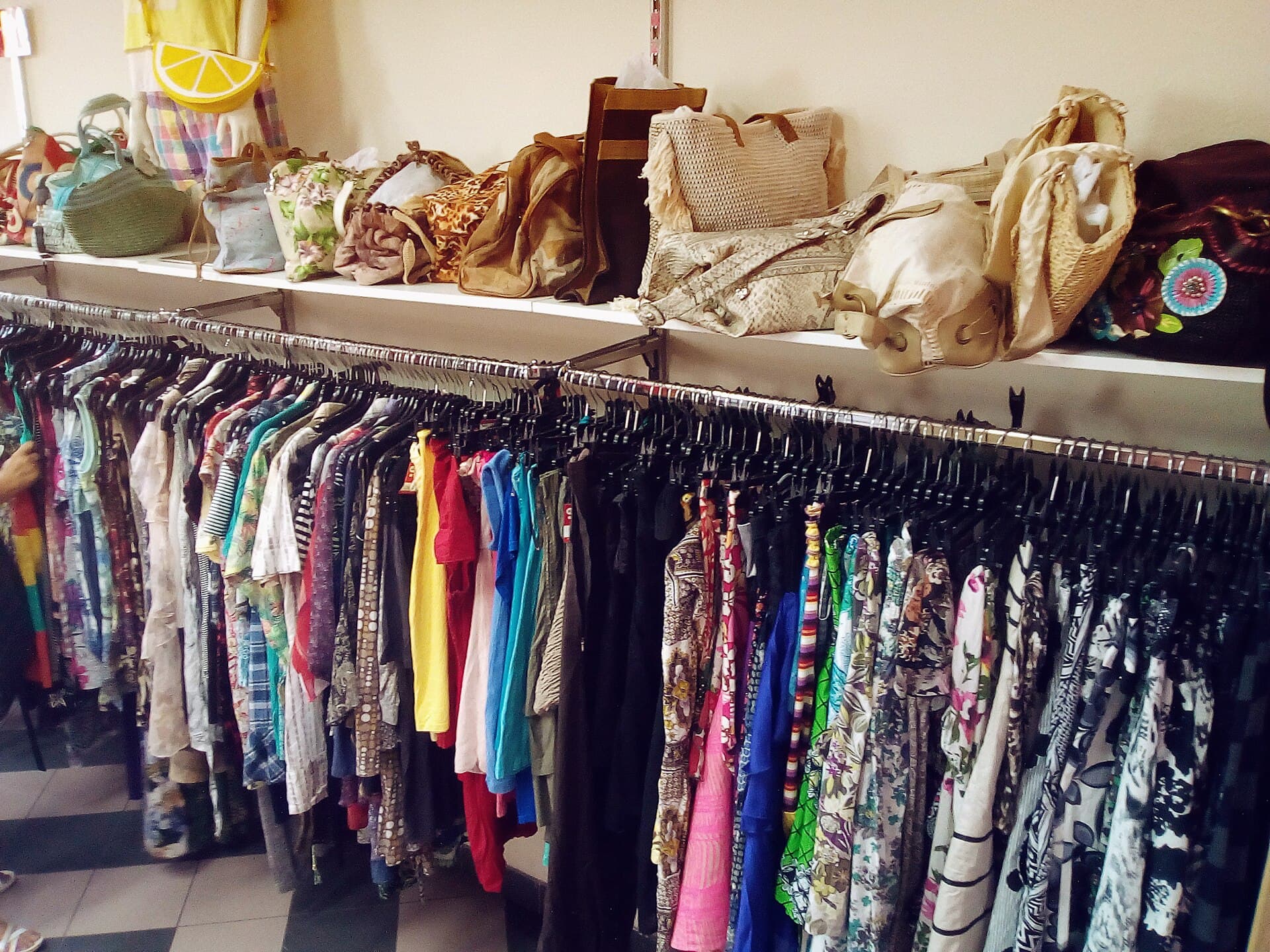
For shoppers tired of flimsy trends and constant micro-hauls, thrift stores offer a slower, smarter way to buy clothes. The real appeal isn’t just saving money—it’s finding pieces that actually deserve closet space.

Why Independent Fashion Labels Need Community More Than Hype
Big fashion headlines can distract from the fragile reality of independent labels. For shoppers, the most meaningful support often looks less like chasing trends and more like showing up for small brands consistently.