What a Campus Dining Hall Can Teach Anyone About Eating Well on a Schedule
A college dining hall is a very specific kind of food experience: rushed, repetitive, and surprisingly revealing. The real takeaway isn’t whether one hall is perfect, but what it shows about convenience, value, and how most of us actually eat during busy weeks.
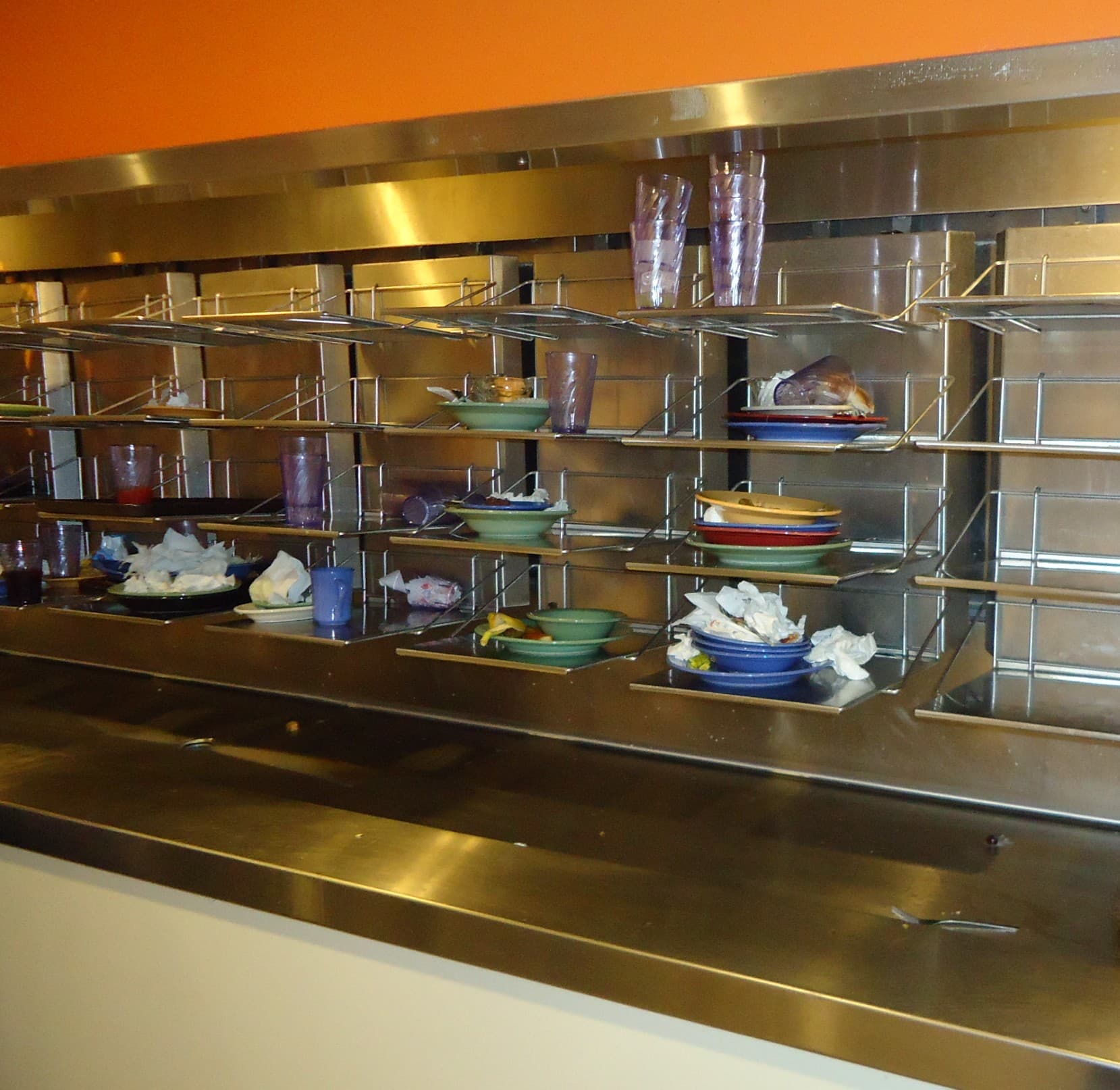
Campus dining halls are easy to dismiss as a niche concern, but they’re really a concentrated version of how many Americans eat when life gets busy. You want something fast, reasonably decent, and filling enough to carry you through the next class, shift, or errand. That’s why any discussion of a dining hall gets interesting when it moves past taste alone and starts asking more practical questions: How long is the line, how repetitive is the menu, and can you put together a meal you won’t regret an hour later?
The biggest divide in shared dining spaces is usually not gourmet versus bad food. It’s consistency versus surprise. Most people can forgive an average sandwich bar or a basic pasta station if they know what they’re getting and can build a reliable lunch around it. What wears people down is unpredictability: one day everything is fresh and stocked, the next day the best options are gone and you’re settling for beige food on autopilot. That’s true in office cafeterias, airport terminals, hospital food courts, and yes, college dining halls.
There’s also a value lesson here that goes beyond campus. Convenience food feels worth it when it saves time and mental energy, but only if it still gives you some control. A good dining setup lets people mix and match, find a vegetable that isn’t an afterthought, and avoid the feeling that every meal is a compromise between speed and nutrition. When that flexibility disappears, people start snacking later, ordering delivery, or spending more elsewhere just to escape the monotony.
So the most honest way to think about a dining hall is not as a restaurant to be graded like a special night out. It’s better judged like a daily-use service, the same way you’d evaluate a grocery store hot bar or a neighborhood takeout spot you rely on three times a week. The question isn’t whether every bite is memorable. It’s whether the place makes regular life easier, a little healthier, and slightly more enjoyable when you’re eating on a deadline.
Photo: Tomwsulcer via Wikimedia Commons (CC0).

Related stories
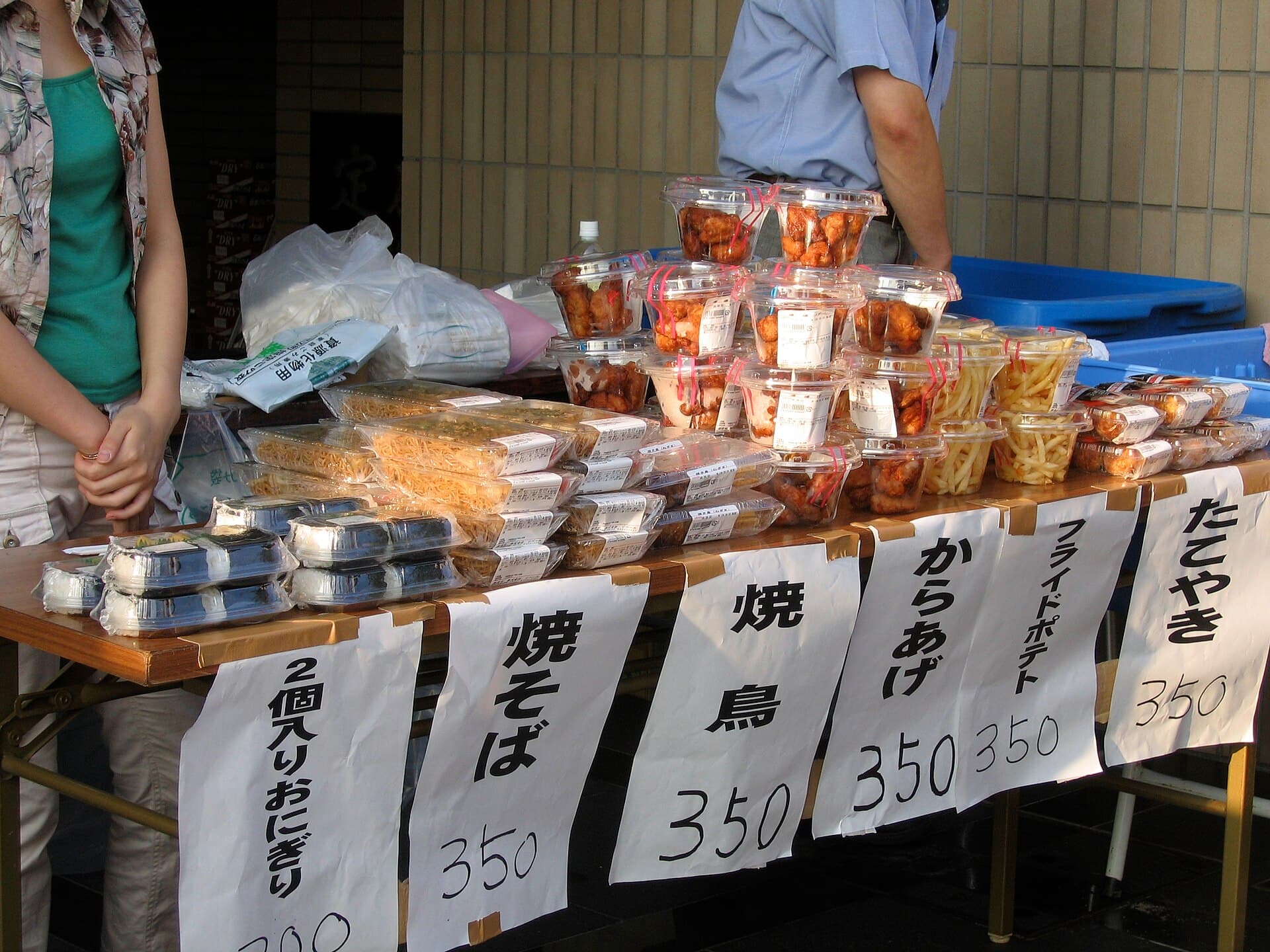
Why Neighborhood Food Festivals Are the Best Way to Try Japanese Cooking
A local Japanese food festival can be a smarter introduction than a pricey restaurant reservation. The best part is the chance to try a wider range of dishes, flavors, and community traditions in one afternoon.
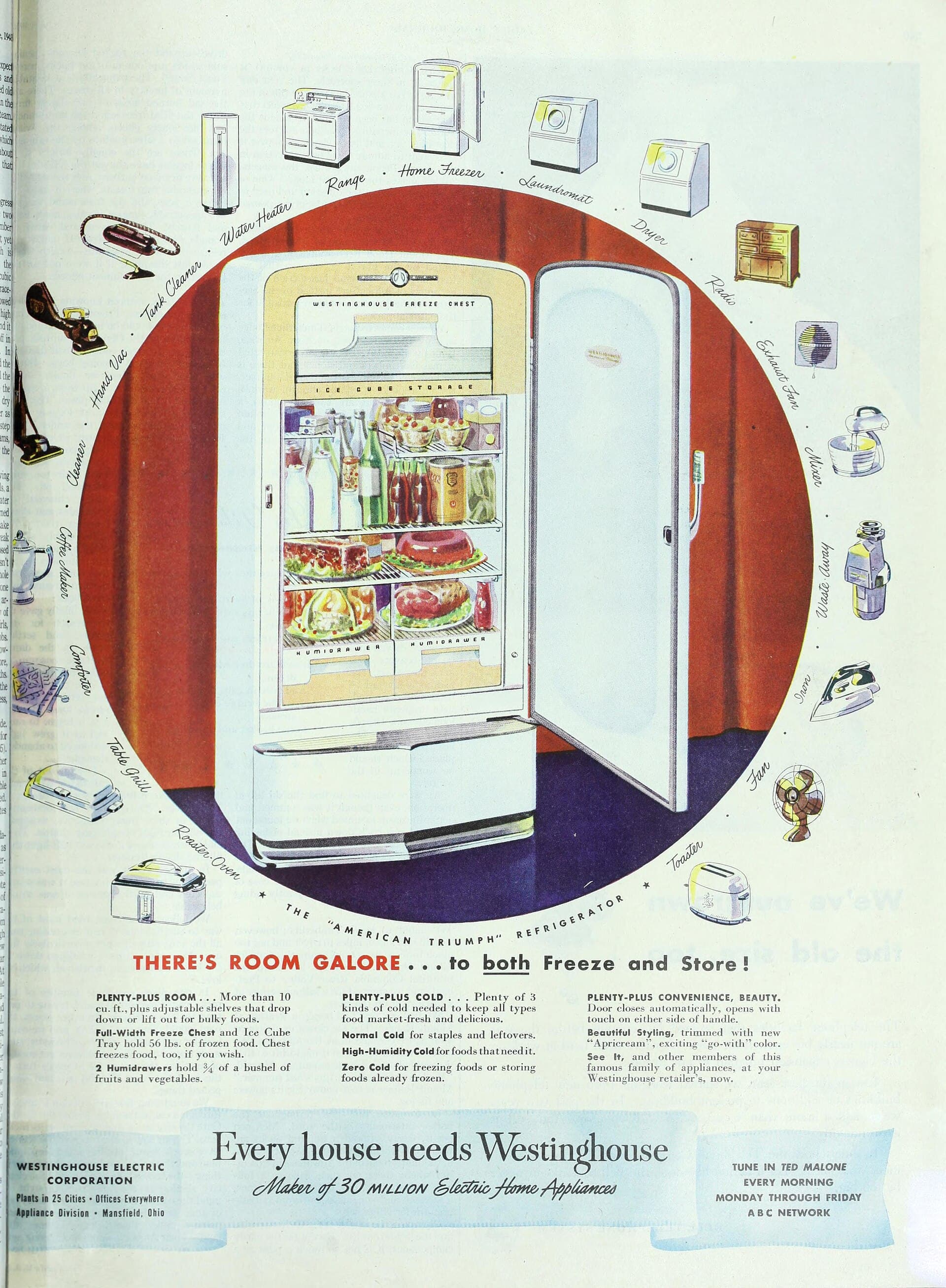
The Cheapest Meal Upgrade Is Learning to Cook What You Already Bought
A smarter kitchen starts before the grocery store and pays off all week. Using what’s already in the fridge can stretch a food budget without making meals feel like leftovers on repeat.

What Diners Should Look For Before Making a Food Truck Park a Regular Stop
When a food truck park becomes the center of online complaints, it’s a reminder that diners should pay attention to more than just the menu photos. A great food stop needs consistency, transparency, and a setup that works for both customers and vendors.