Campus Food Gets Better When It Matches Real Student Schedules
More campus dining choices matter most when they make busy days easier, not just more branded. For students, the best food additions are the ones that save time, fit uneven schedules, and offer a few reliable options beyond the usual rush-hour staples.

When a campus adds more places to eat, the real benefit is not novelty for its own sake. It is the simple relief of knowing you can grab something decent between classes, after a late lab, or before a long commute home. Convenience in food is often treated like a luxury, but for students juggling tight schedules, it is part of what makes a day manageable.
That is why expanded dining options can genuinely improve campus life when they are spread across where students already spend time. A good food setup is less about one standout destination and more about reducing the daily scavenger hunt for a quick breakfast, a reliable lunch, or an afternoon pick-me-up that does not require crossing half the campus.
Choice matters too, but only when it feels practical. Students do not need endless menus as much as they need dependable places with varied portions, recognizable staples, and a few healthier options that are actually easy to access. The best campus dining changes are the ones that work for the student who has ten minutes, a backpack, and no patience for a long line.
For schools across the US, this is a useful reminder that food service is part of the academic experience. Better dining can support attendance, routine, and even budget discipline when students are not forced into off-campus detours just to find something that fits their day. In that sense, more food choice is not just a perk. It is good campus infrastructure.
Photo: Mwanner | Talk. Original uploader was Mwanner at en.wikipedia via Wikimedia Commons (CC BY-SA 3.0).

Related stories
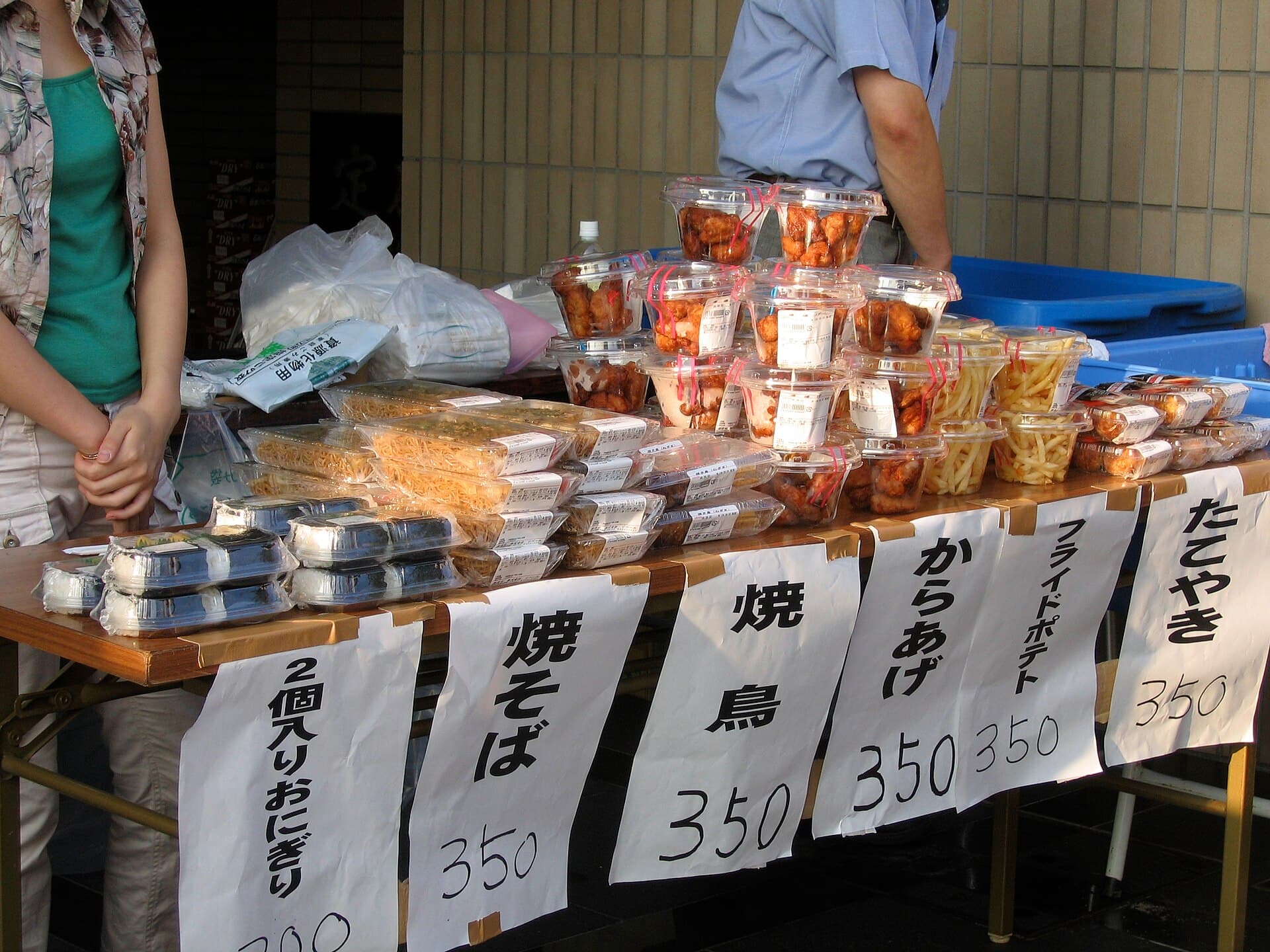
Why Neighborhood Food Festivals Are the Best Way to Try Japanese Cooking
A local Japanese food festival can be a smarter introduction than a pricey restaurant reservation. The best part is the chance to try a wider range of dishes, flavors, and community traditions in one afternoon.
The Cheapest Meal Upgrade Is Learning to Cook What You Already Bought
A smarter kitchen starts before the grocery store and pays off all week. Using what’s already in the fridge can stretch a food budget without making meals feel like leftovers on repeat.

What Diners Should Look For Before Making a Food Truck Park a Regular Stop
When a food truck park becomes the center of online complaints, it’s a reminder that diners should pay attention to more than just the menu photos. A great food stop needs consistency, transparency, and a setup that works for both customers and vendors.