Cheap Clothes Can Cost More Than the Receipt Shows
A low sticker price can hide tradeoffs in comfort, durability, and even what sits against your skin all day. Before grabbing the cheapest trendy piece, it helps to think in terms of wear, washing, and what your closet actually needs.
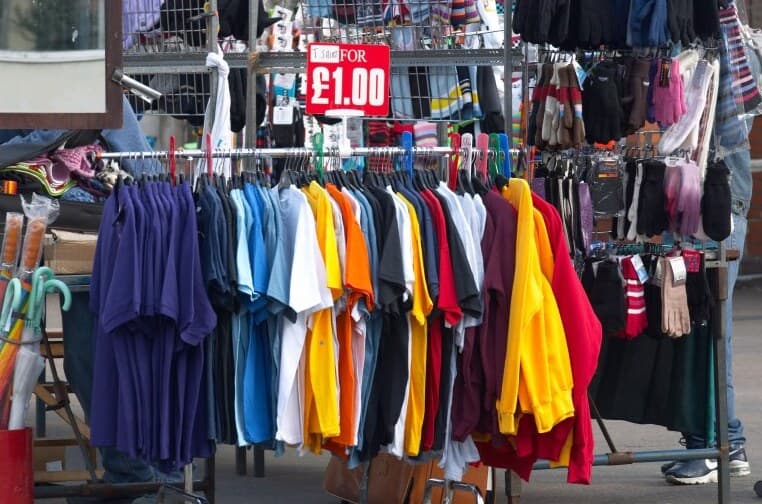
Fast fashion wins on speed and price, and that is exactly why it is so tempting. When a dress or tee costs less than lunch, it feels harmless to toss it into the cart. But the real test is what happens after a few wears: seams twist, fabric pills, colors bleed, and the fit that looked good under store lighting suddenly feels scratchy or flimsy during a full day out.
For shoppers, the practical question is not just whether something is cheap, but whether it is easy to live with. Clothes sit on your skin for hours, go through sweat, heat, detergent, and repeat washing, and that makes fabric quality matter more than trend appeal. If an item has a strong chemical smell, sheds excessively, or feels irritating in the fitting room, that is usually a sign to leave it behind no matter how good the deal looks.
A better way to shop is to slow the math down. Think about cost per wear, whether the piece works with what you already own, and whether you would still want it after the current trend cools off. A basic cotton tank, sturdy jeans, or a versatile button-down that survives many washes can be a better bargain than three impulse buys that lose their shape by next month.
This does not mean every budget shopper needs to swear off affordable stores. It means being pickier inside them. Check fiber content, inspect stitching, wash new clothes before wearing, and give yourself permission to skip the item that is only exciting because it is cheap. The best deal in apparel is usually the piece you keep reaching for, not the one that only looked like a steal at checkout.
Photo: Paul Vlaar via Wikimedia Commons (CC BY-SA 2.5).

Related stories

The Best Trend in Fashion Right Now Is Looking Unbothered
The most wearable runway idea this season isn’t a single item—it’s the return of clothes that look lived in, easy, and ready for an actual day. For shoppers, that means buying less fantasy and more pieces that earn repeat wear.
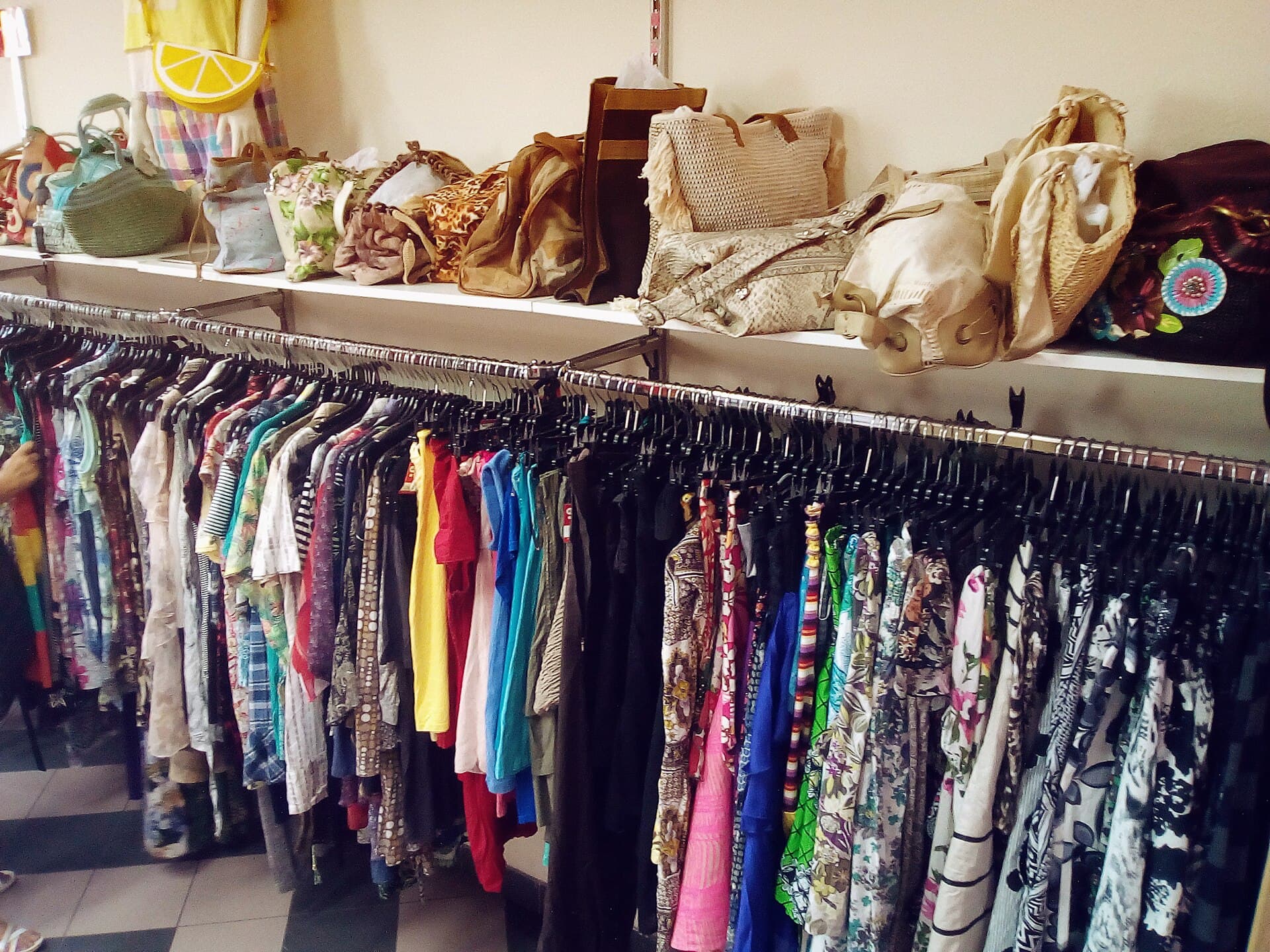
The Best Closet Upgrade Might Be Someone Else’s Return Pile
For shoppers tired of flimsy trends and constant micro-hauls, thrift stores offer a slower, smarter way to buy clothes. The real appeal isn’t just saving money—it’s finding pieces that actually deserve closet space.

Why Independent Fashion Labels Need Community More Than Hype
Big fashion headlines can distract from the fragile reality of independent labels. For shoppers, the most meaningful support often looks less like chasing trends and more like showing up for small brands consistently.