The Cheap Shirt Isn’t Cheap If It Irritates Your Skin
The lowest clothing price tag can come with hidden tradeoffs, especially if a fabric feels harsh, smells strongly chemical, or falls apart after a few wears. For shoppers, a little caution can turn a bargain into a smarter buy.
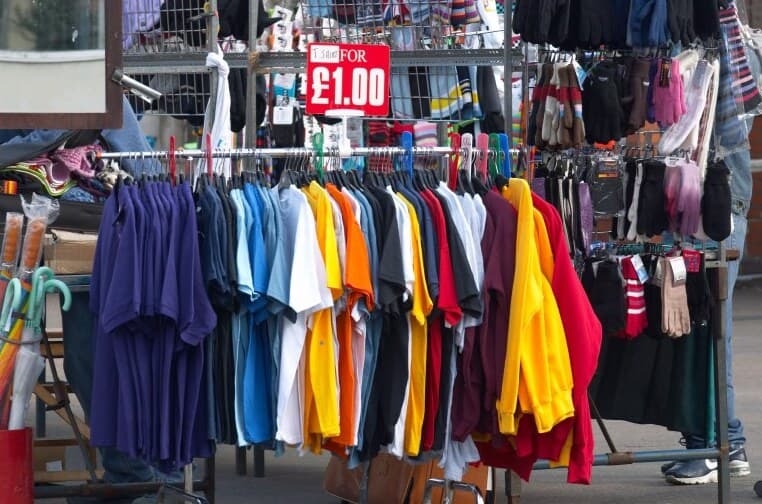
A rock-bottom price on a trendy top can feel like a win, but plenty of shoppers have learned that the real cost sometimes shows up after checkout. If a garment feels scratchy, leaves dye on your skin, or has that strong chemical smell straight out of the bag, that bargain starts looking a lot less appealing. In everyday terms, the best deal is the one you’ll actually feel comfortable wearing more than once.
This is where fast, ultra-cheap fashion often loses its shine. When clothes are made to be sold quickly and replaced even faster, quality checks can feel like an afterthought. For shoppers, that means paying attention to simple clues: odd odors, flaky prints, rough seams, stiff synthetic fabric, or accessories that feel like they could tarnish immediately. None of those signs guarantee a serious problem, but they do suggest the item may not be worth bringing home.
A practical rule is to shop with your senses before your wallet. Touch the fabric. Check the inside seams. If it’s online, zoom in on material details and read reviews for complaints about smell, itching, shedding, or color transfer. Washing new clothes before wearing them is still one of the easiest habits to keep, especially for basics, sleepwear, kids’ items, and anything that sits close to the skin.
The bigger style flex right now may be buying less junk, not more of it. That doesn’t mean every inexpensive piece is bad or that every expensive label is safe and durable. It just means a $7 shirt that pills instantly or makes you avoid wearing it was never the deal it seemed to be. In apparel, value starts with comfort, repeat wear, and not having to replace the same thing again next month.
Photo: Paul Vlaar via Wikimedia Commons (CC BY-SA 2.5).

Related stories

The Best Trend in Fashion Right Now Is Looking Unbothered
The most wearable runway idea this season isn’t a single item—it’s the return of clothes that look lived in, easy, and ready for an actual day. For shoppers, that means buying less fantasy and more pieces that earn repeat wear.
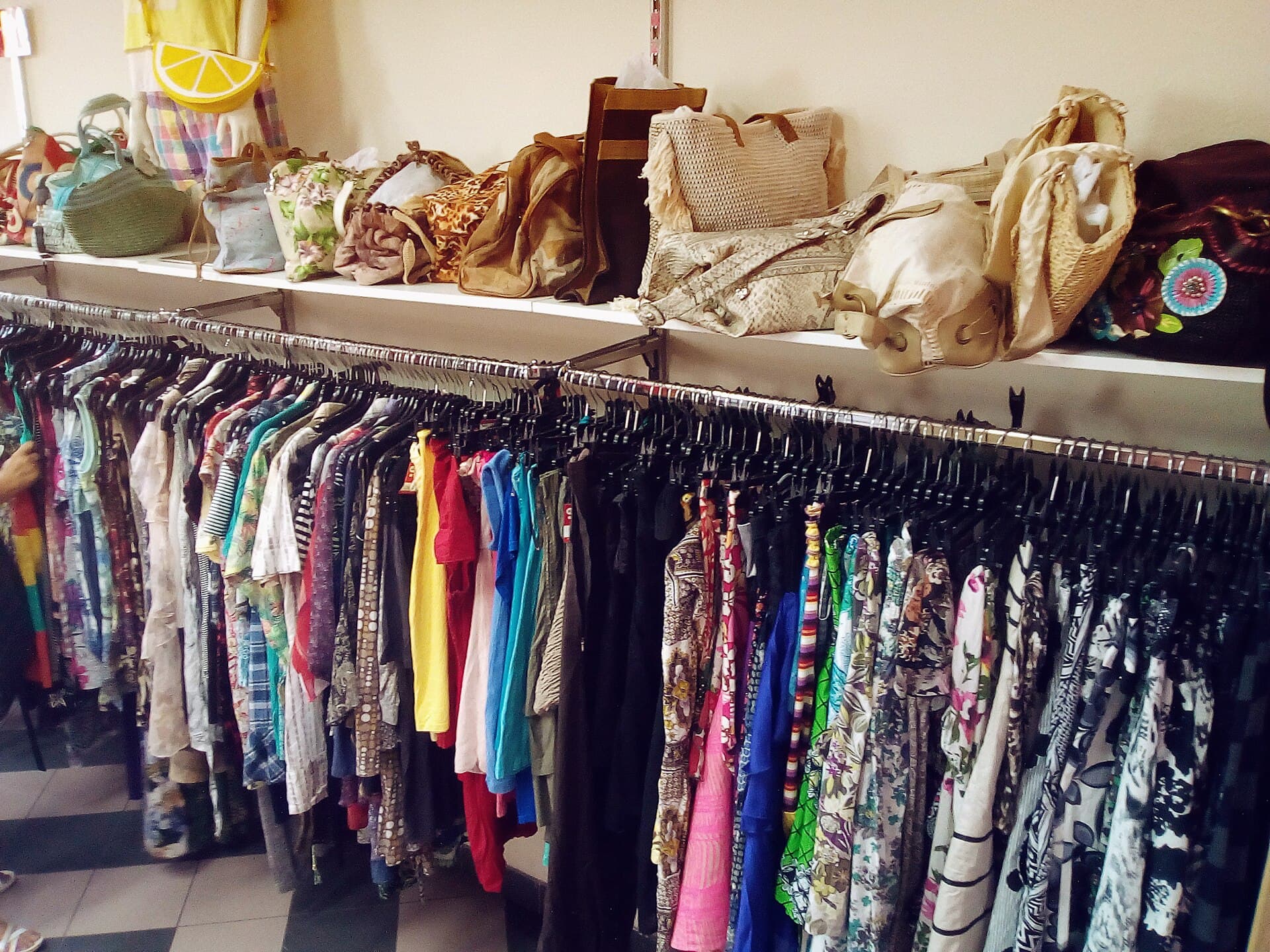
The Best Closet Upgrade Might Be Someone Else’s Return Pile
For shoppers tired of flimsy trends and constant micro-hauls, thrift stores offer a slower, smarter way to buy clothes. The real appeal isn’t just saving money—it’s finding pieces that actually deserve closet space.

Why Independent Fashion Labels Need Community More Than Hype
Big fashion headlines can distract from the fragile reality of independent labels. For shoppers, the most meaningful support often looks less like chasing trends and more like showing up for small brands consistently.