The Cheapest Desk Lunch Is the One You’ll Actually Want to Eat
Packing lunch saves money only if it fits real life. A better routine starts with forgiving ingredients, repeatable combos, and a bag you can pack half-asleep.
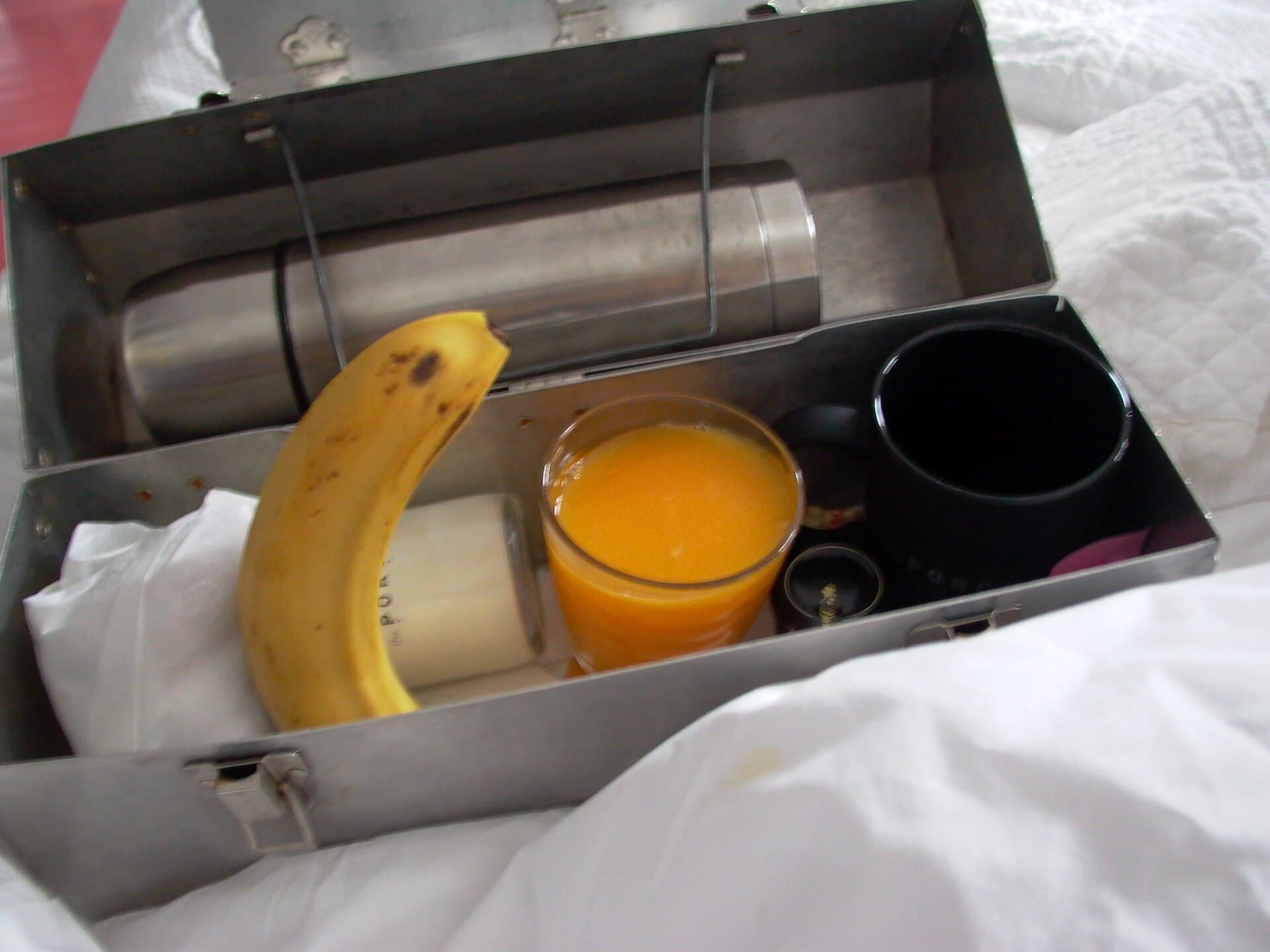
A homemade lunch doesn’t have to be ambitious to be worth it. In fact, the lunches that save the most money are usually the least precious ones: things you can throw together from groceries you already buy, with no special trip and no Sunday-night fantasy version of yourself required. If your lunch system depends on perfect meal prep, it’s probably too complicated.
paragraphs like grain bowl formulas and snacky lunches work because they leave room for mood and leftovers. A scoop of rice, a handful of greens, chopped vegetables, beans, chicken, boiled eggs, cheese, crackers, fruit—none of this is glamorous, but it travels well and doesn’t punish you for swapping one part out. The smartest packed lunches are modular, not strict.
It also helps to stop treating lunch packing as a separate cooking project. Make extra when dinner is already happening, keep a short list of workhorse items in the fridge, and use containers that don’t make you hate cleanup. If assembling tomorrow’s meal takes longer than brewing coffee, the habit gets shaky fast.
The real trick is making your packed lunch feel like a small convenience, not a moral achievement. Keep a sauce, a crunch, and something sweet in the mix so it doesn’t read like sad budgeting. Saving money at noon is great, but wanting to eat what you packed is what makes the savings repeat all week.
Photo: thefuturistics via Wikimedia Commons (CC BY 2.0).
.jpg)
Related stories
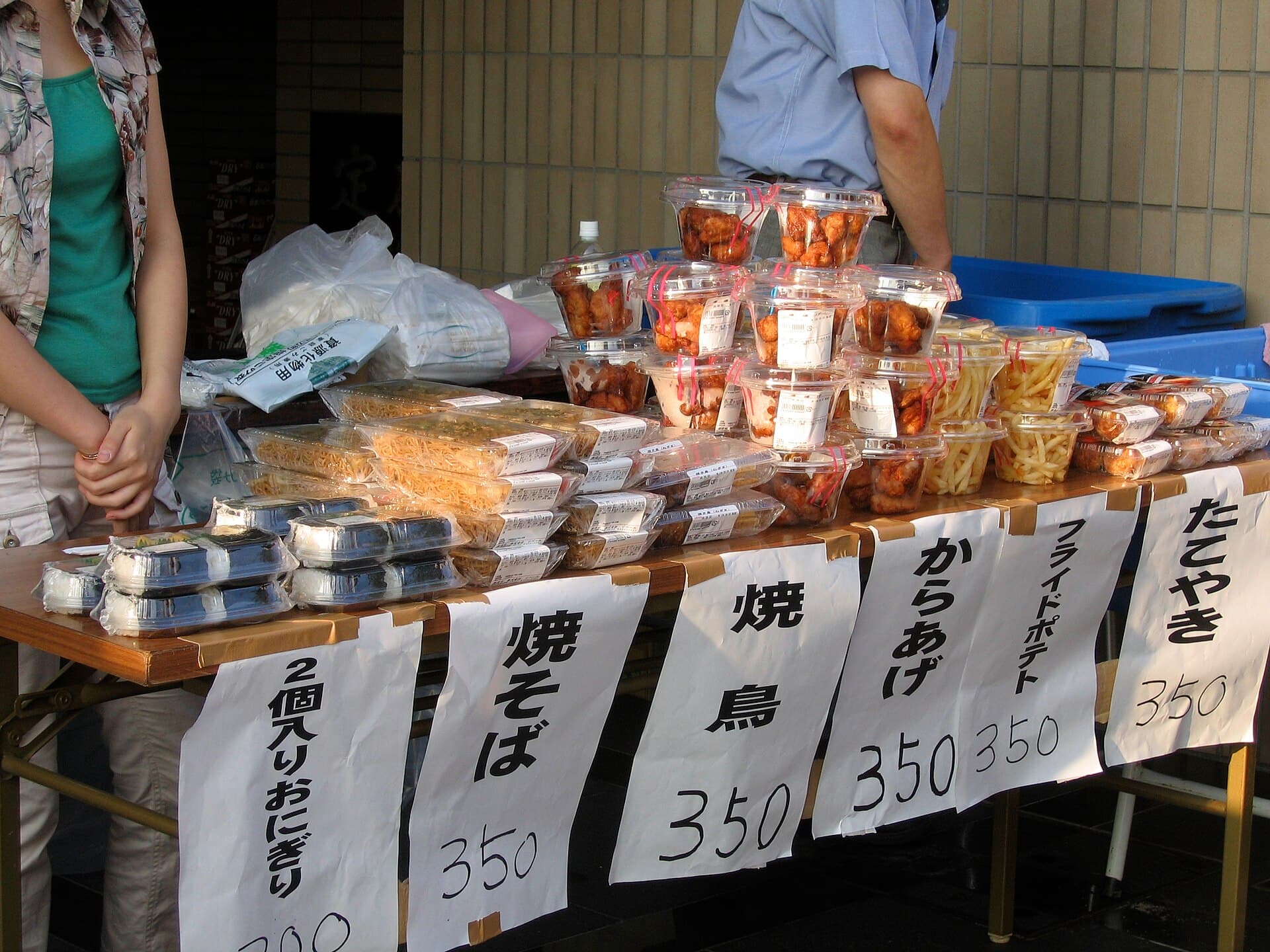
Why Neighborhood Food Festivals Are the Best Way to Try Japanese Cooking
A local Japanese food festival can be a smarter introduction than a pricey restaurant reservation. The best part is the chance to try a wider range of dishes, flavors, and community traditions in one afternoon.
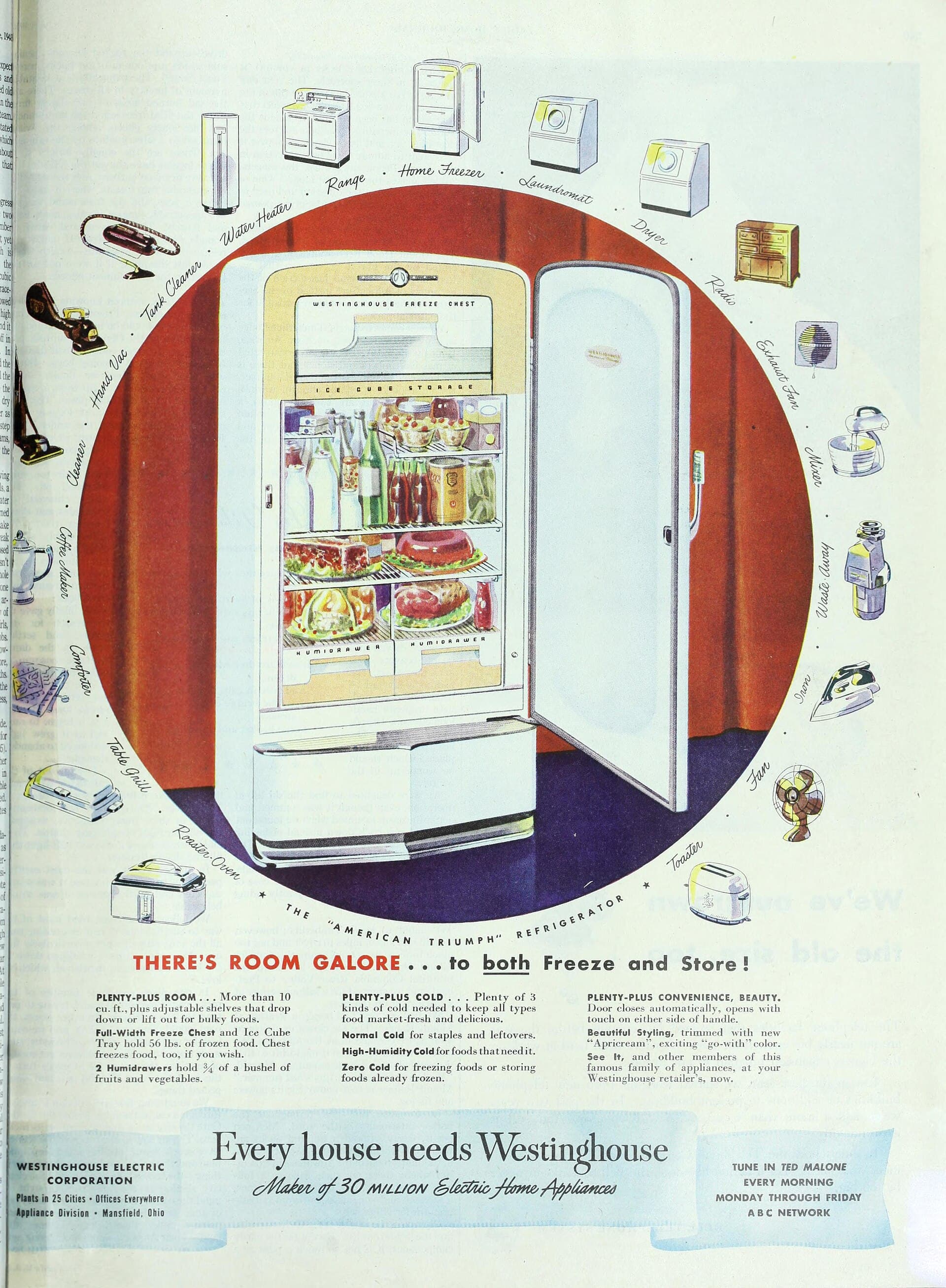
The Cheapest Meal Upgrade Is Learning to Cook What You Already Bought
A smarter kitchen starts before the grocery store and pays off all week. Using what’s already in the fridge can stretch a food budget without making meals feel like leftovers on repeat.

What Diners Should Look For Before Making a Food Truck Park a Regular Stop
When a food truck park becomes the center of online complaints, it’s a reminder that diners should pay attention to more than just the menu photos. A great food stop needs consistency, transparency, and a setup that works for both customers and vendors.