The Salad Lesson Nobody Wants: Clean Eating Still Needs Clean Water
Fresh produce is one of the easiest healthy habits to love, but outbreaks are a reminder that “fresh” and “safe” are not always the same thing. For shoppers, the smartest response is less panic and more practical kitchen caution.
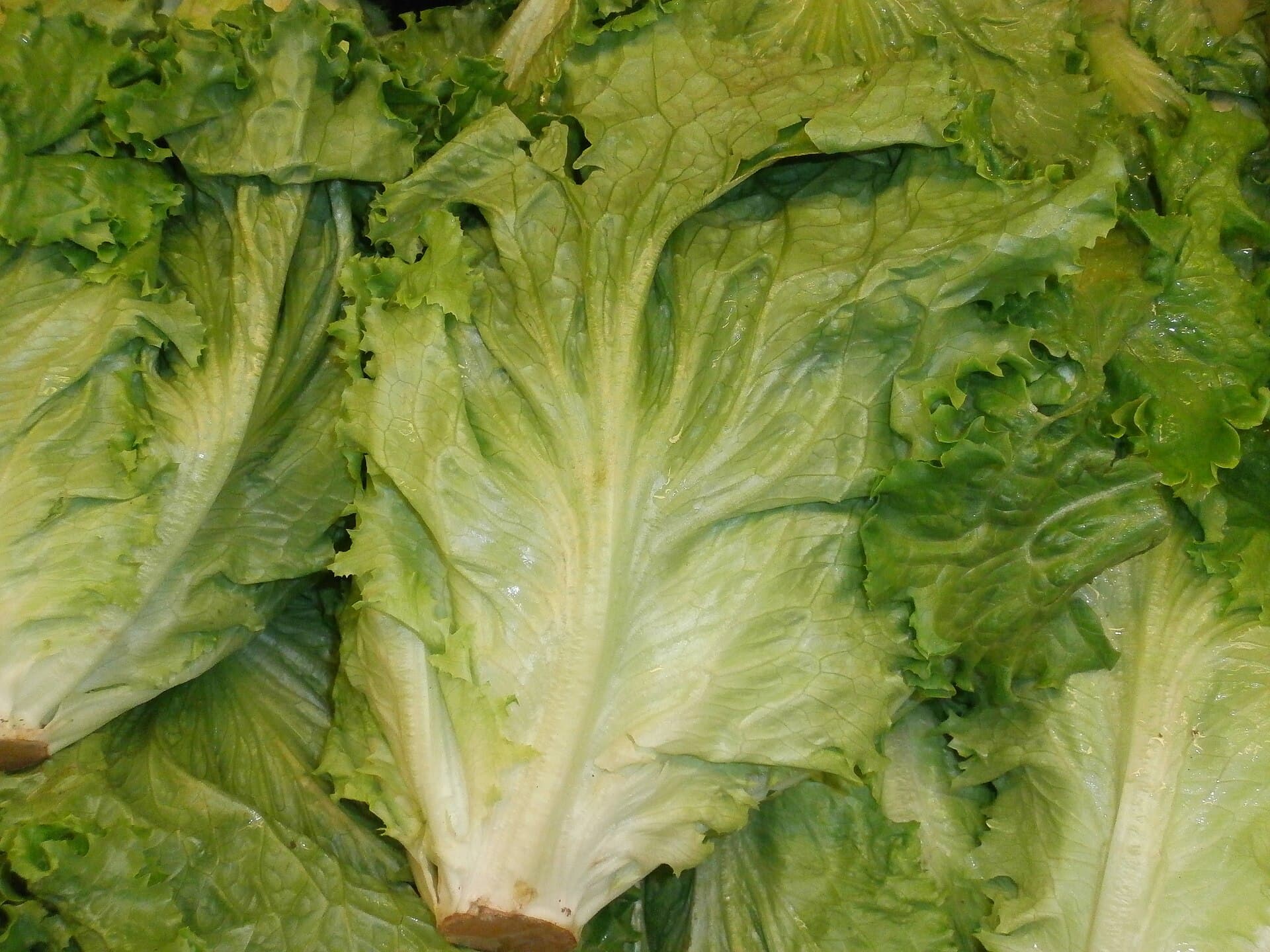
There’s an uncomfortable truth hiding inside the wellness aisle: a food can look bright, crisp, and virtuous and still carry a problem you can’t see. When contamination shows up on produce, it’s a reminder that the modern food chain depends on more than good farming and good intentions. Water quality, sanitation, field conditions, and handling all matter long before that container of greens reaches your fridge.
For most shoppers, this is not a reason to swear off salads or fresh herbs. It is a reason to be a little less romantic about “natural” foods and a little more realistic about risk. Prewashed does not mean magical, farmers market does not automatically mean safer, and a quick rinse at home is helpful but not a guarantee for every kind of contamination. Fresh food is still worth buying, but it deserves the same common-sense caution people already give to chicken, leftovers, and cutting boards.
The practical move is to shop with flexibility. If a recall hits a specific product, don’t try to talk yourself into finishing it because it was expensive or because only part of the package looks questionable. Toss it. Keep an eye on notices tied to bagged salads, herbs, berries, and cut produce, and save the receipt when you buy highly perishable items so it’s easier to check what you brought home. In the kitchen, wash hands, clean prep surfaces, and keep produce separate from anything that could re-contaminate it after rinsing.
There’s also a bigger consumer lesson here: convenience has hidden tradeoffs. The more trimmed, mixed, boxed, and widely distributed a fresh item is, the more chances there are for something to go wrong before it gets to you. That doesn’t mean avoiding convenience foods entirely. It means remembering that a head of lettuce and a sealed salad kit may belong to the same category on your grocery list, but they don’t always carry the same level of exposure along the way.
Photo: Jeffery Martin via Wikimedia Commons (CC0).

Related stories
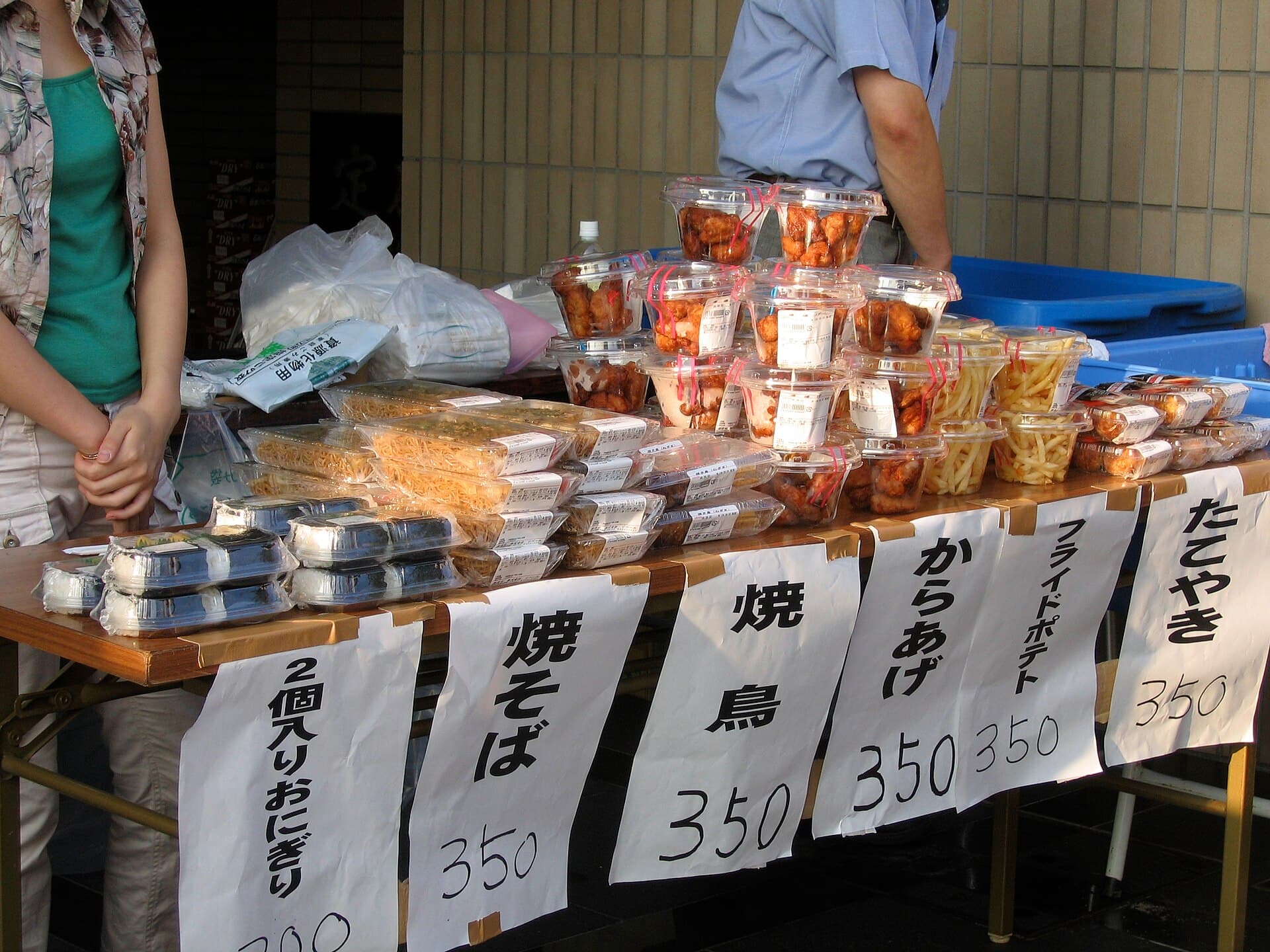
Why Neighborhood Food Festivals Are the Best Way to Try Japanese Cooking
A local Japanese food festival can be a smarter introduction than a pricey restaurant reservation. The best part is the chance to try a wider range of dishes, flavors, and community traditions in one afternoon.
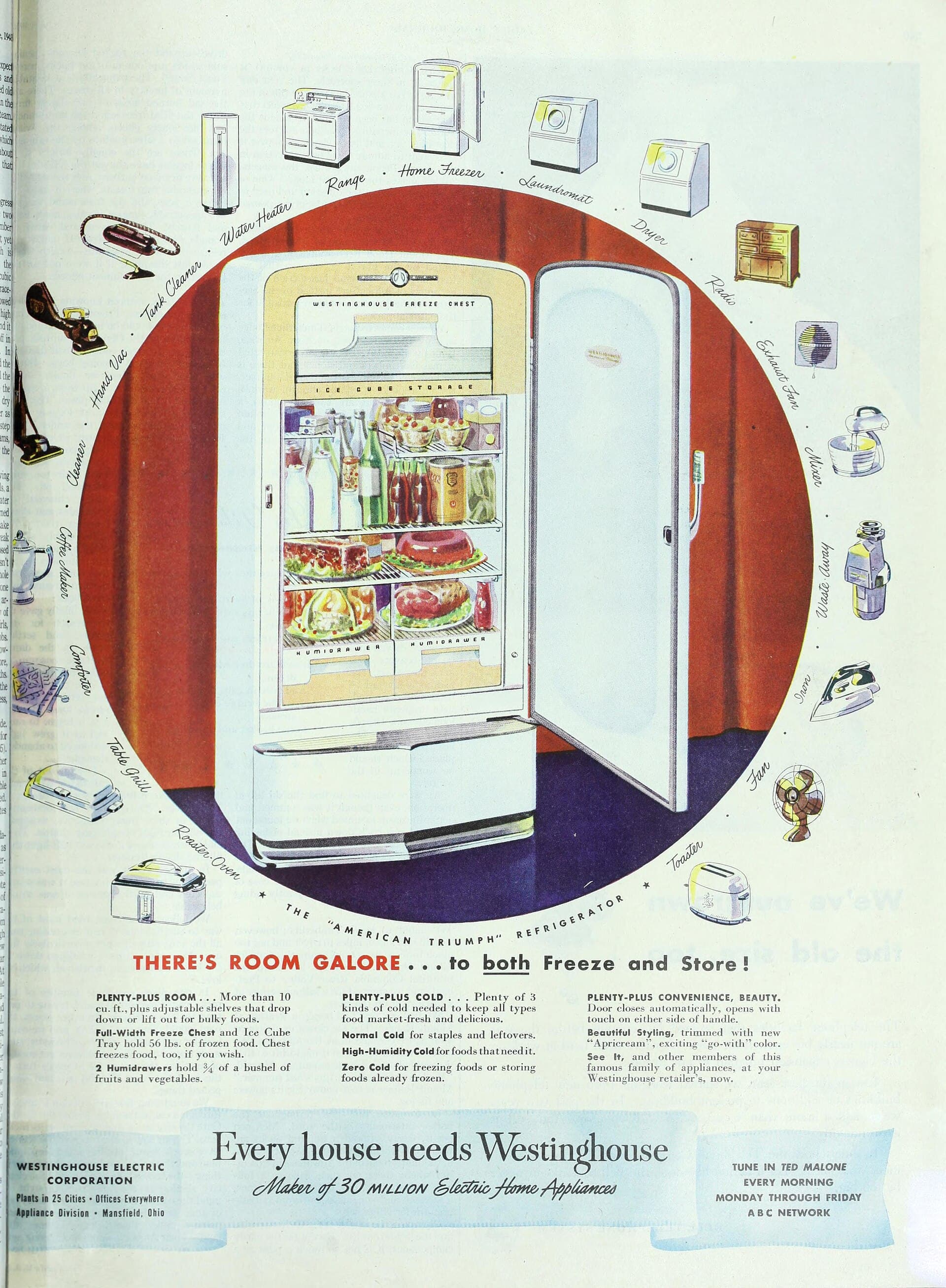
The Cheapest Meal Upgrade Is Learning to Cook What You Already Bought
A smarter kitchen starts before the grocery store and pays off all week. Using what’s already in the fridge can stretch a food budget without making meals feel like leftovers on repeat.

What Diners Should Look For Before Making a Food Truck Park a Regular Stop
When a food truck park becomes the center of online complaints, it’s a reminder that diners should pay attention to more than just the menu photos. A great food stop needs consistency, transparency, and a setup that works for both customers and vendors.