When the Grocery Budget Breaks, Community Kitchens Matter More Than Food Trends
As grocery costs keep straining household budgets, the most useful food story isn’t a trend recipe or a luxury pantry item. It’s how communities can make everyday meals more accessible, dignified, and realistic for families trying to get through the week.
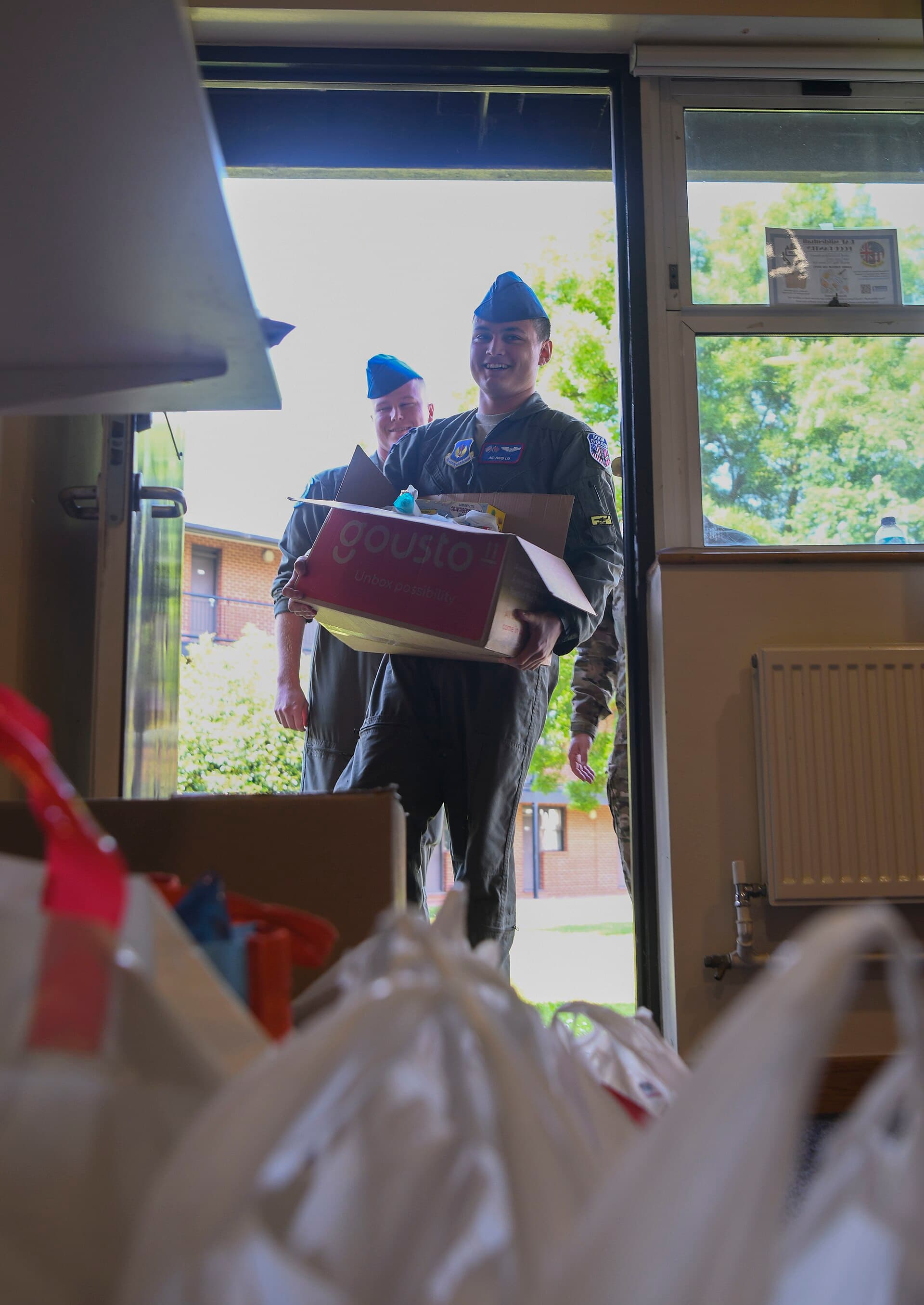
There’s a point where “shopping smarter” stops being helpful advice and starts sounding out of touch. Plenty of households already compare unit prices, skip extras, cook at home, and stretch leftovers, yet the math still doesn’t work. When the grocery budget breaks, the conversation has to move beyond personal discipline and toward whether people can reliably get basic, decent food near where they live.
That’s why community kitchens, school meal programs, food pantries, and mutual-aid fridges deserve more attention than the latest gourmet grocery craze. These aren’t side stories for hard times; they’re part of the real food system. For families juggling rent, child care, transportation, and medical bills, a dependable source of prepared meals or pantry staples can mean less stress, fewer impossible choices, and a little more room to plan ahead.
There’s also a dignity piece that often gets lost. Good food access is not just about calories on a shelf. It’s about hours that work for parents, locations reachable without a car, familiar ingredients people know how to cook, and spaces that don’t make visitors feel judged. Practical food culture should care as much about affordability and access as it does about flavor, trends, and aesthetics.
For readers who are lucky enough to treat food as a hobby, this is a useful reset. The smartest kitchen habit right now may be less about buying another specialty condiment and more about supporting local systems that keep neighbors fed. A healthy food scene is not only measured by new restaurant openings or expensive market halls, but by whether ordinary people can put dinner on the table without panic.
Photo: U.S. Air Force 100ARWPA by Senior Airman Alexandria Lee via Wikimedia Commons (Public domain).
.jpg)
Related stories
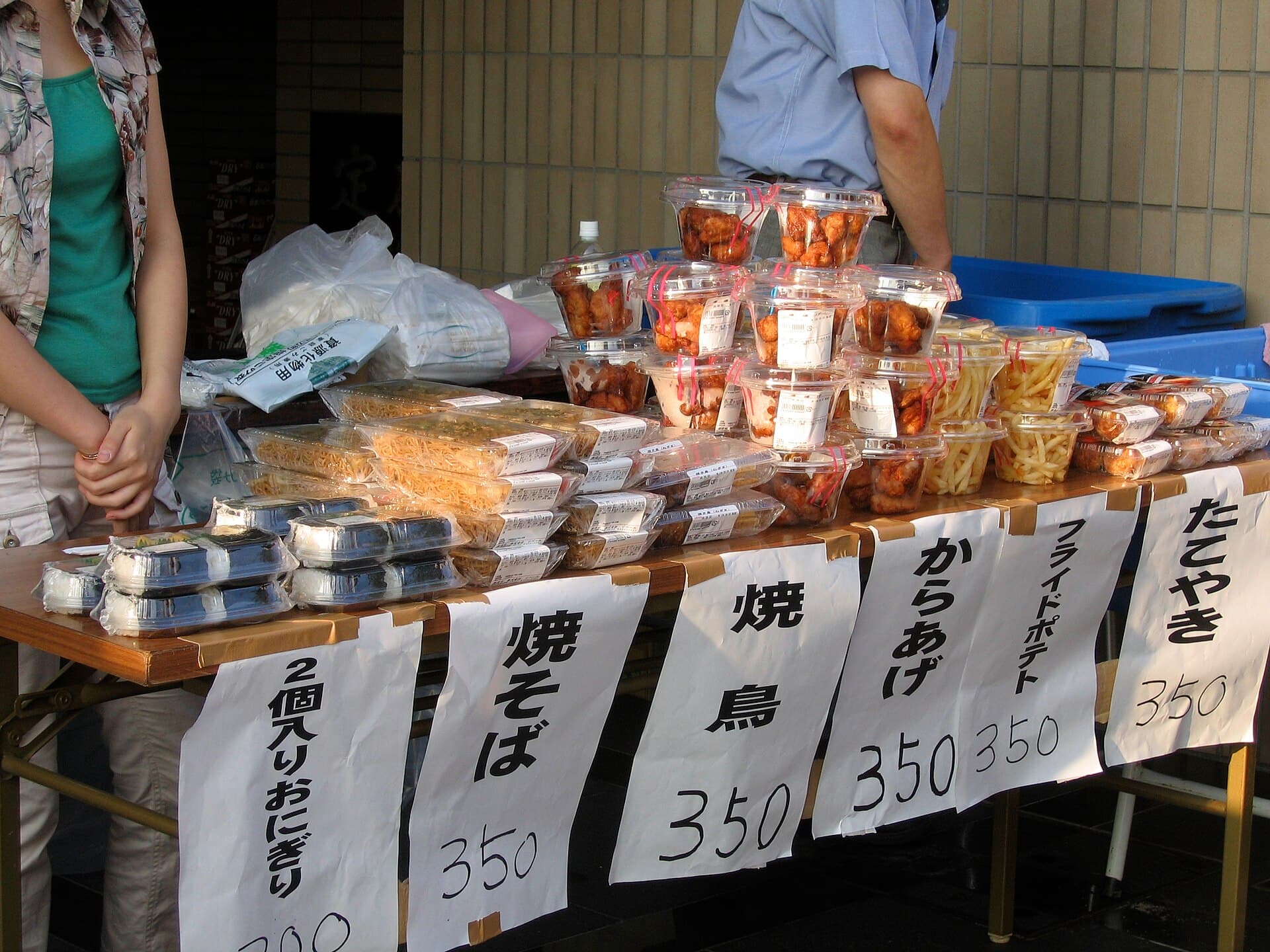
Why Neighborhood Food Festivals Are the Best Way to Try Japanese Cooking
A local Japanese food festival can be a smarter introduction than a pricey restaurant reservation. The best part is the chance to try a wider range of dishes, flavors, and community traditions in one afternoon.
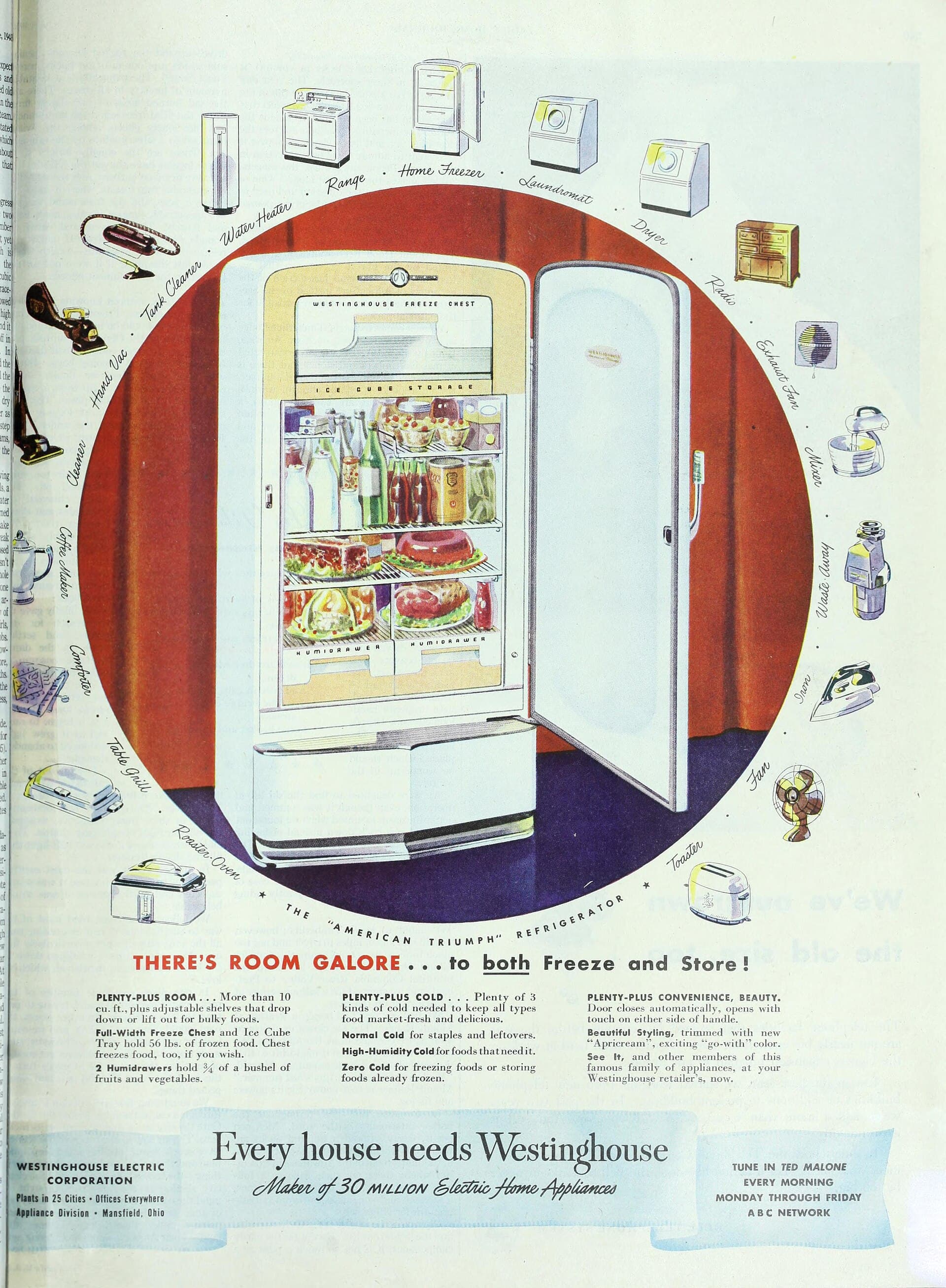
The Cheapest Meal Upgrade Is Learning to Cook What You Already Bought
A smarter kitchen starts before the grocery store and pays off all week. Using what’s already in the fridge can stretch a food budget without making meals feel like leftovers on repeat.
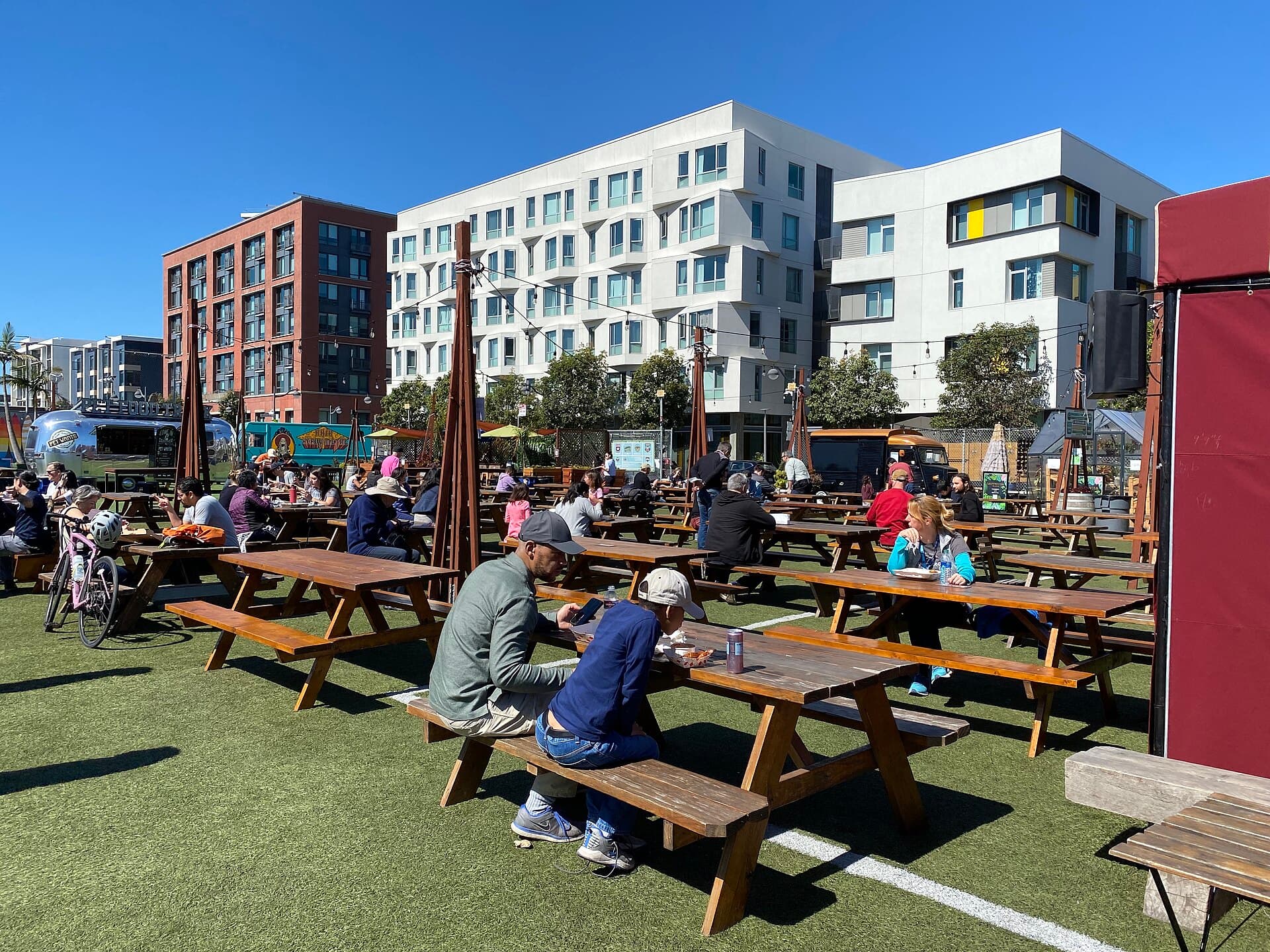
What Diners Should Look For Before Making a Food Truck Park a Regular Stop
When a food truck park becomes the center of online complaints, it’s a reminder that diners should pay attention to more than just the menu photos. A great food stop needs consistency, transparency, and a setup that works for both customers and vendors.