The Corner Store Should Feel Ordinary Again
A neighborhood food mart is supposed to be one of the most routine stops in American life. When violence shadows that errand, it changes how people shop, linger, and feel in their own community.
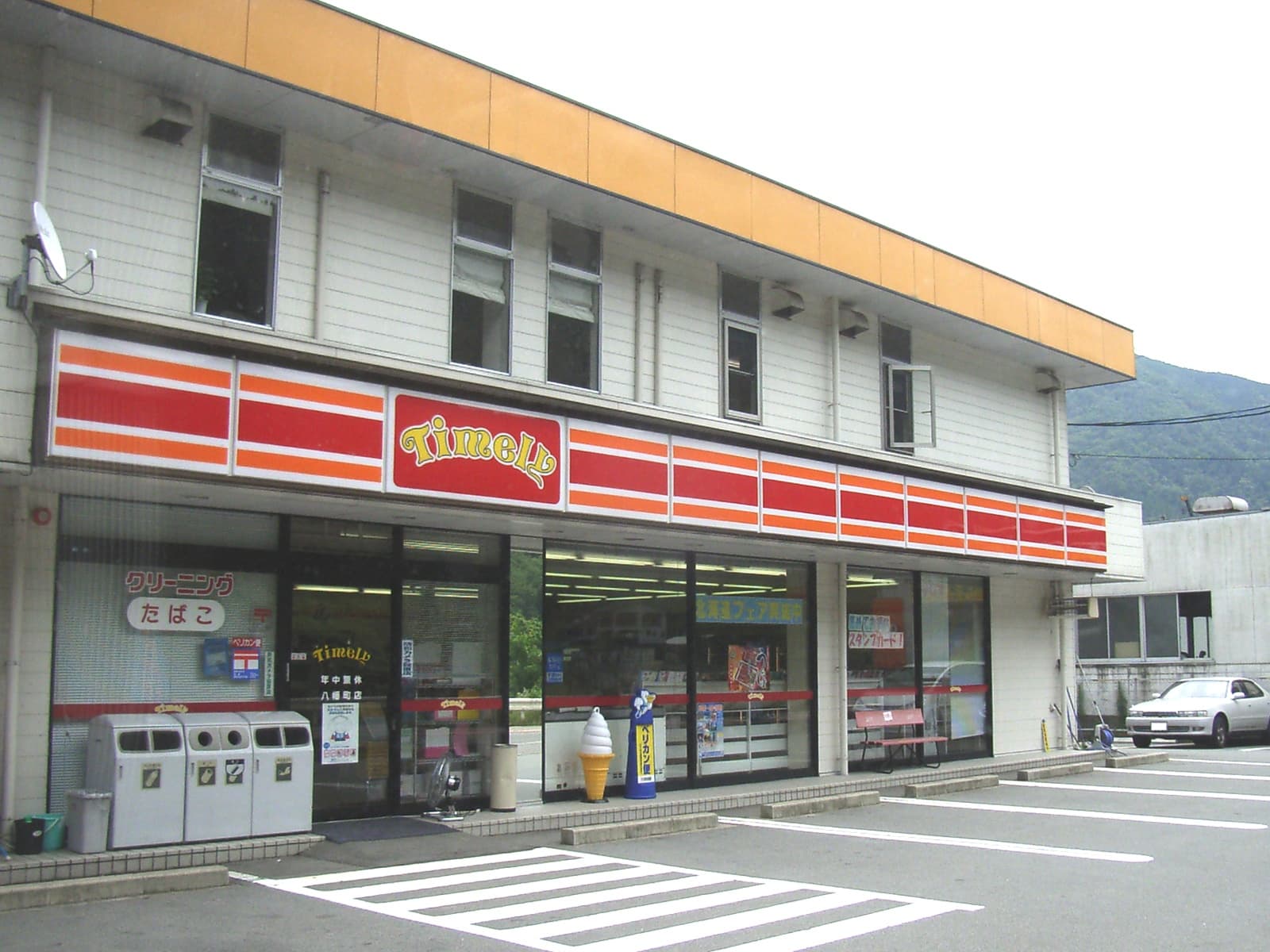
The neighborhood food mart is one of those places most people barely think about until they need it. It is where you grab a drink on the way home, pick up milk after work, or make a quick snack run when the fridge looks empty. That ordinary role matters more than it gets credit for, because these stores often stand in for convenience, community, and late-hour access when bigger supermarkets are closed.
When violence touches a place like that, the loss is larger than a single address. It shakes trust in the most everyday routines, especially for workers behind the counter and regulars who depend on a familiar stop. People start changing when they shop, how long they stay, and whether a simple errand still feels worth it. That is a quiet but real cost in communities where food marts help fill practical gaps.
There is also an uncomfortable truth in how much modern life leans on these small stores while often ignoring what they need to stay safe and welcoming. A clean, well-run mart can be a lifeline in a neighborhood, but it cannot carry the burden alone. Good lighting, visible staffing, steady foot traffic, and community attention all shape whether a store feels like a quick stop or a place people avoid after dark.
For shoppers, this is a reminder that convenience is not just about location or shelf prices. It is also about feeling secure enough to walk in, browse for a minute, and head home without a second thought. The best version of local food retail is boring in the best possible way: open, reliable, and uneventful. Every community deserves that kind of ordinary.
Photo: Mukasora (talk) via Wikimedia Commons (CC BY-SA 3.0).

Related stories
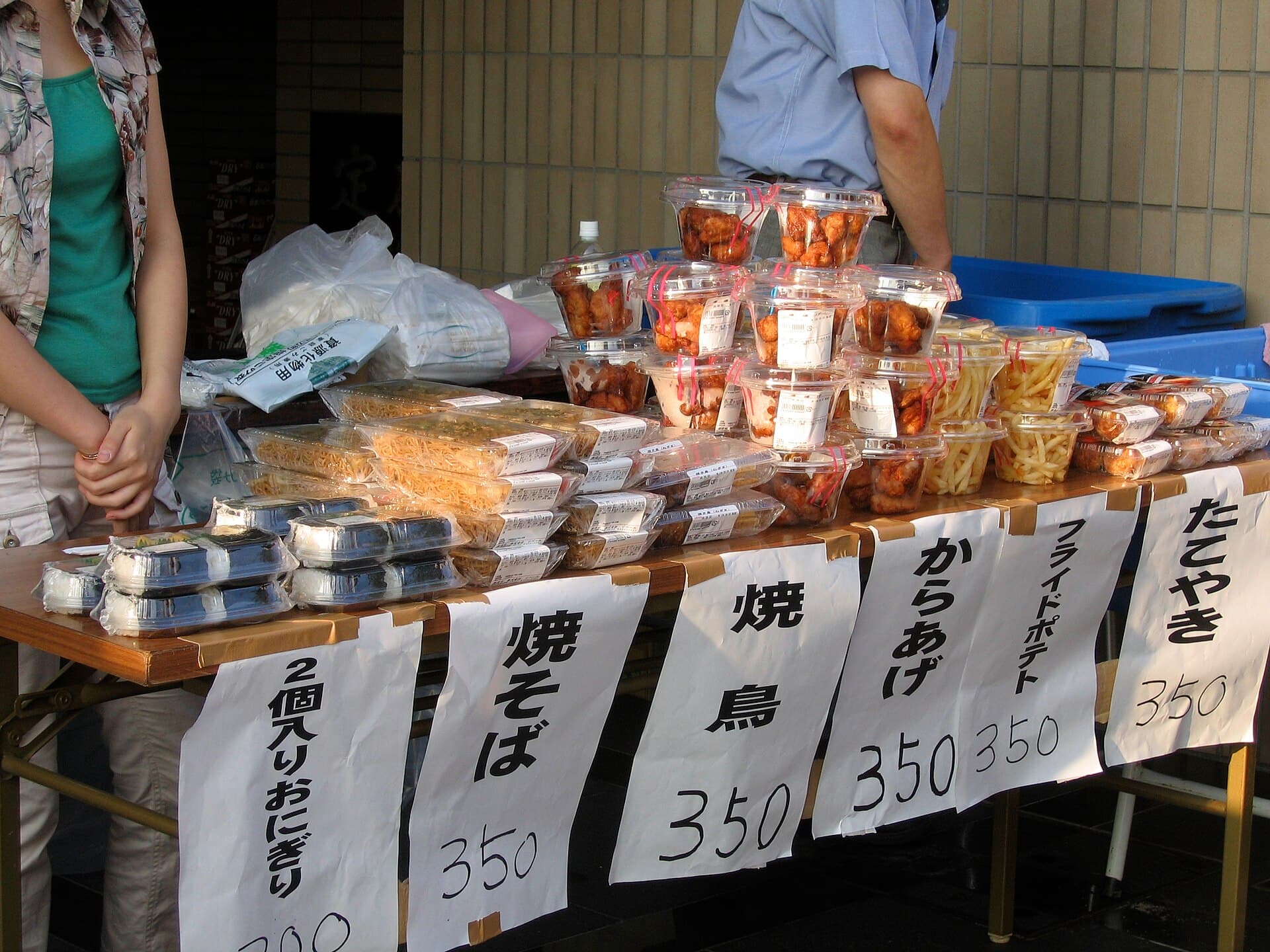
Why Neighborhood Food Festivals Are the Best Way to Try Japanese Cooking
A local Japanese food festival can be a smarter introduction than a pricey restaurant reservation. The best part is the chance to try a wider range of dishes, flavors, and community traditions in one afternoon.
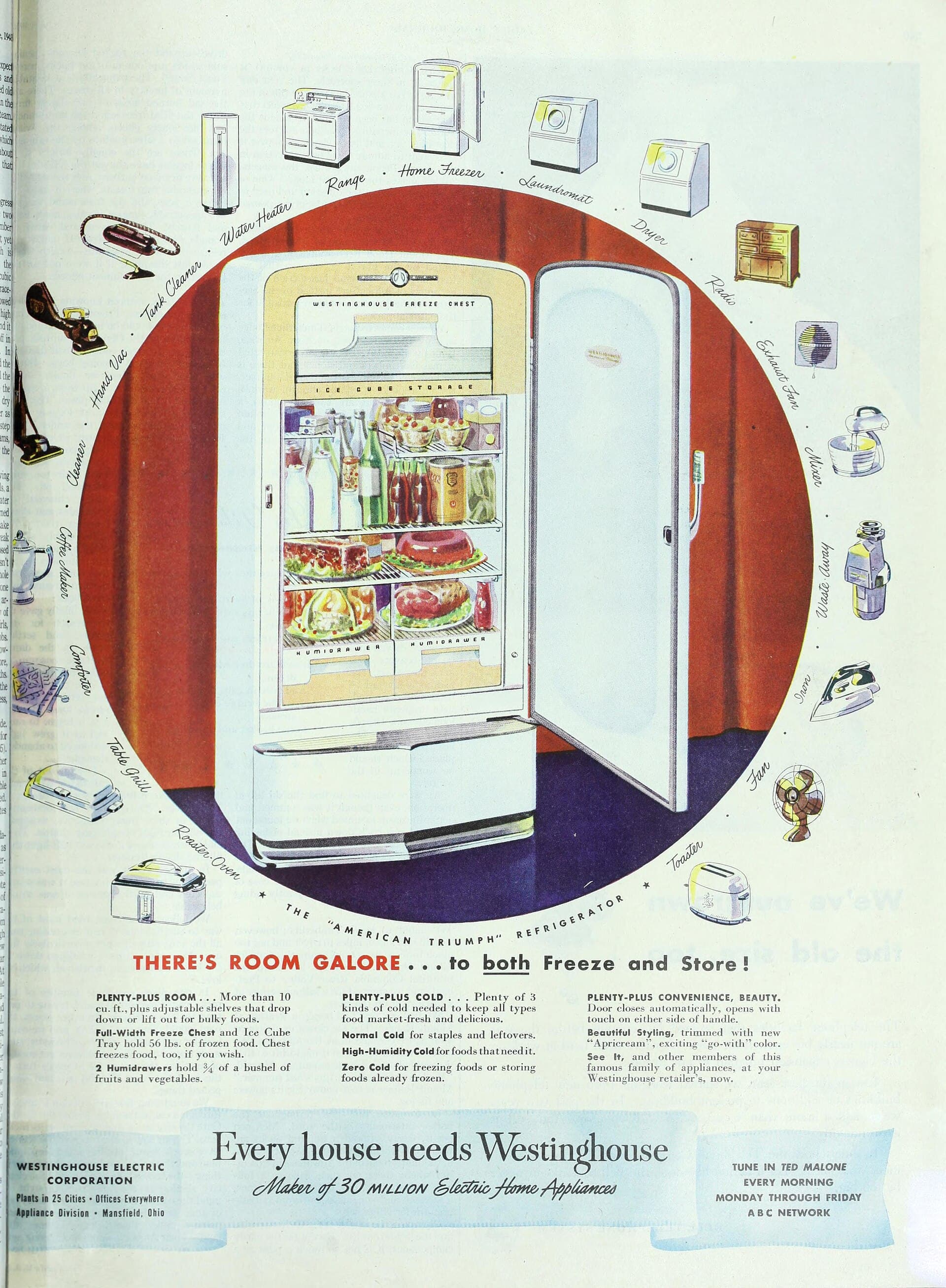
The Cheapest Meal Upgrade Is Learning to Cook What You Already Bought
A smarter kitchen starts before the grocery store and pays off all week. Using what’s already in the fridge can stretch a food budget without making meals feel like leftovers on repeat.
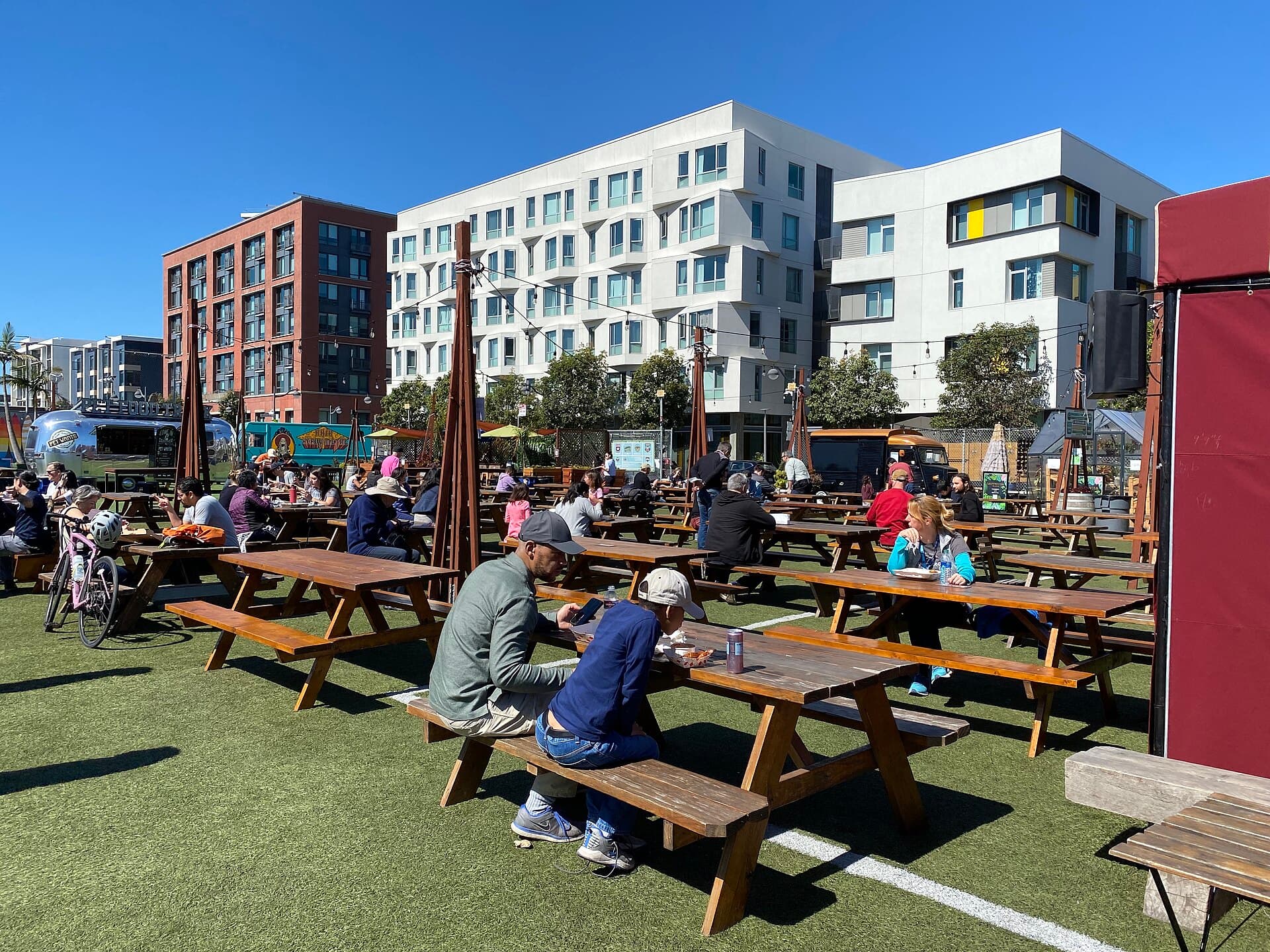
What Diners Should Look For Before Making a Food Truck Park a Regular Stop
When a food truck park becomes the center of online complaints, it’s a reminder that diners should pay attention to more than just the menu photos. A great food stop needs consistency, transparency, and a setup that works for both customers and vendors.