The Easiest Food Upgrade Isn’t Fancy — It’s Less Packaged
For many US shoppers, eating a little better doesn’t start with perfection or pricey wellness trends. It starts with noticing how much of the cart comes in shiny wrappers and how easy it is to swap in simpler foods that actually satisfy.
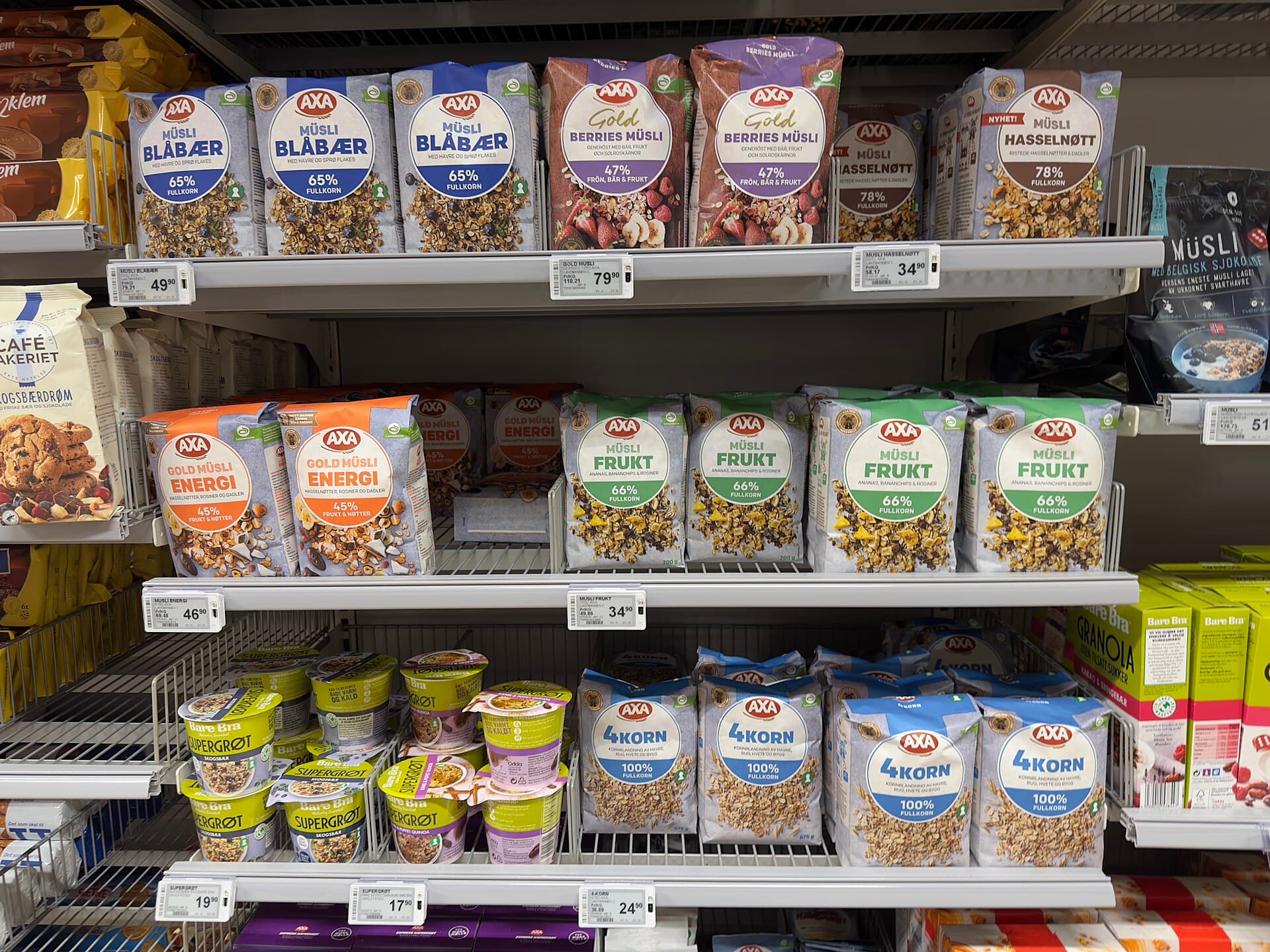
American shoppers are getting a lot more skeptical about foods designed to look convenient, healthy, or irresistible all at once. You can feel that shift in any supermarket, where the loudest claims on the package often matter less than a basic question: what is this, actually? A strawberry yogurt with a long ingredient list and candy-level sweetness stops feeling like a health food once you compare it to plain yogurt and actual fruit.
paragraphs like this debate can get abstract fast, but everyday eating is usually much simpler than the labels suggest. Most people do not need a total pantry purge or a moral crusade against anything in a box. They need a few reliable defaults: oatmeal instead of frosted cereal on weekdays, sandwich ingredients instead of heat-and-eat snack meals, popcorn kernels instead of neon chip varieties, pasta plus jarred sauce plus frozen vegetables instead of a frozen dinner that somehow costs more and fills you up less.
The bigger lifestyle lesson is that convenience has been oversold. Plenty of ultra-processed food is not really saving time so much as turning every snack, breakfast, and late-night craving into a branded product. Once you notice that, small changes feel less like deprivation and more like taking back control of your kitchen. A rotisserie chicken, a loaf of bread, eggs, bananas, canned beans, and bagged salad can carry a surprising amount of the week without requiring chef-level effort.
That does not mean every family can shop leisurely, cook from scratch nightly, or avoid all processed foods. Frozen vegetables, canned fish, bread, pasta, and peanut butter are practical staples for a reason. The useful line is not purity; it is whether a food still resembles something you would recognize, use, and combine yourself. In a moment when grocery budgets are tight, that standard can be healthier for both the routine and the wallet.
Photo: Wolfmann via Wikimedia Commons (CC BY-SA 4.0).
_Frokostblandinger_gryn_m%C3%BCsli_Axa_frukt_energi_4-korn_bl%C3%A5b%C3%A6r_(cereals_muesli)_etc_Tj%C3%B8me_NORWAY_2023-08-31_IMG_1095.jpg)
Related stories
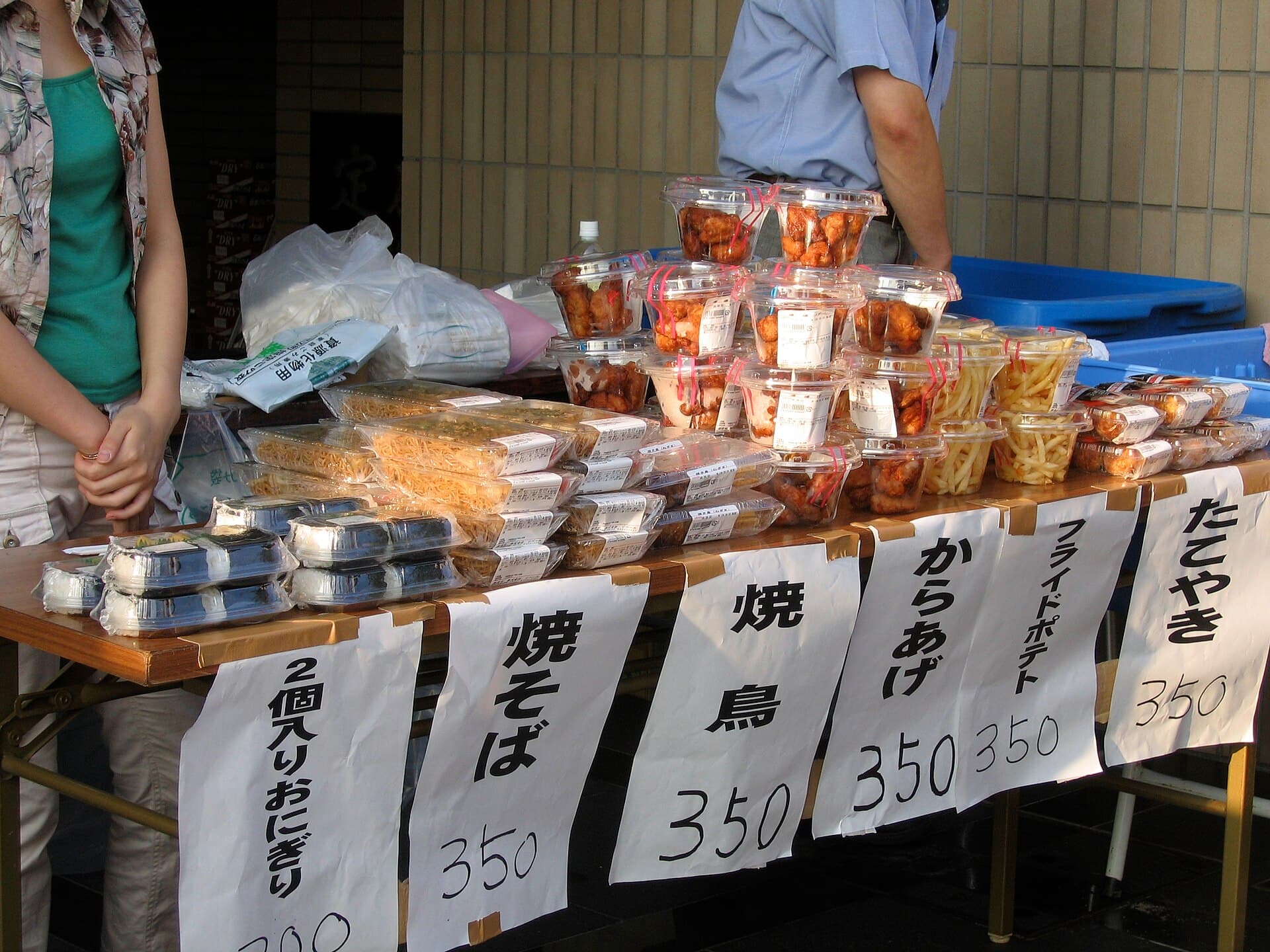
Why Neighborhood Food Festivals Are the Best Way to Try Japanese Cooking
A local Japanese food festival can be a smarter introduction than a pricey restaurant reservation. The best part is the chance to try a wider range of dishes, flavors, and community traditions in one afternoon.
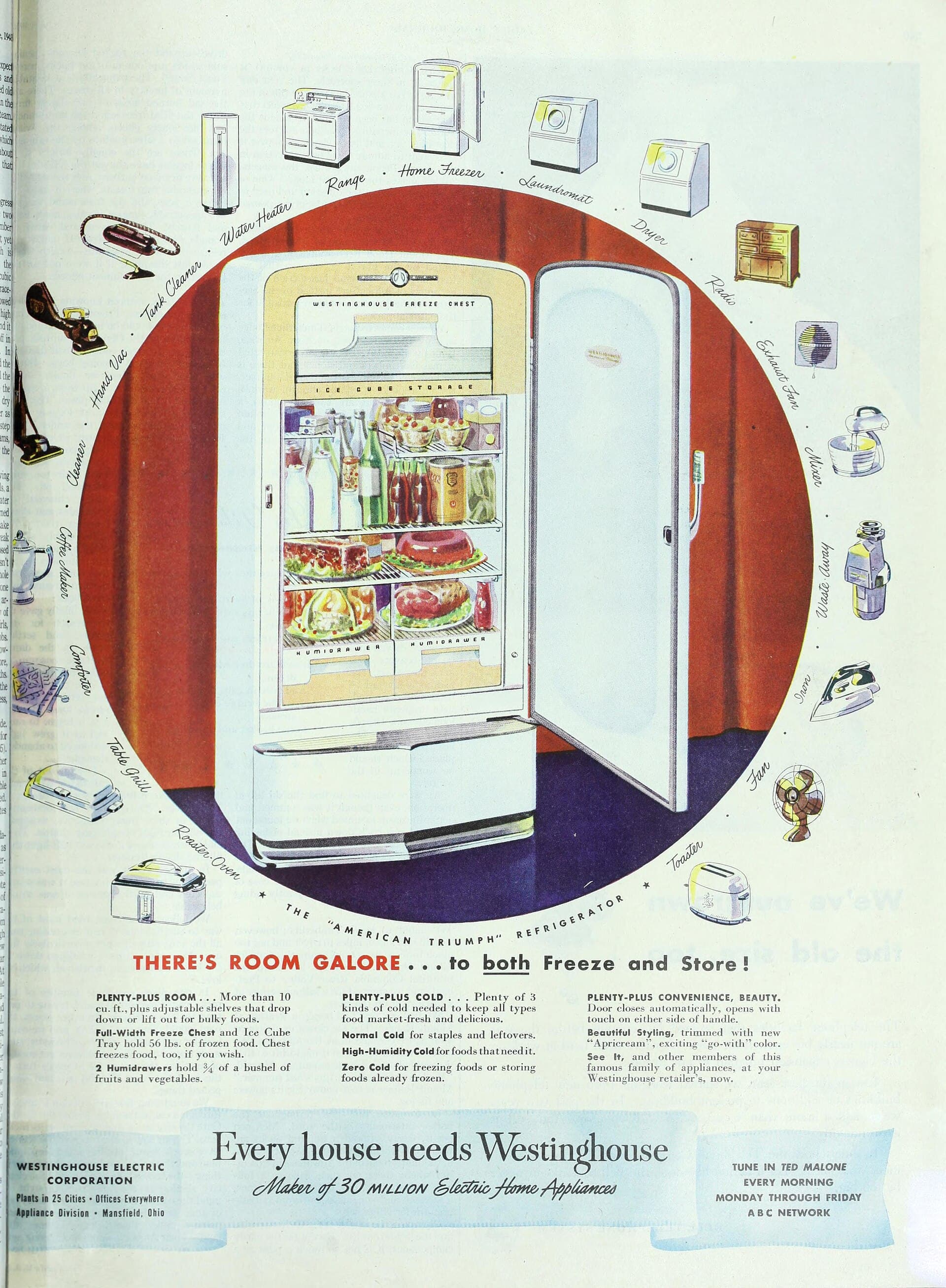
The Cheapest Meal Upgrade Is Learning to Cook What You Already Bought
A smarter kitchen starts before the grocery store and pays off all week. Using what’s already in the fridge can stretch a food budget without making meals feel like leftovers on repeat.

What Diners Should Look For Before Making a Food Truck Park a Regular Stop
When a food truck park becomes the center of online complaints, it’s a reminder that diners should pay attention to more than just the menu photos. A great food stop needs consistency, transparency, and a setup that works for both customers and vendors.