The Easiest Sustainable Protein to Try Might Not Come From a Farm
Americans are more likely to try new foods when they feel practical, familiar, and low-stakes. Insects may sound like a hard sell, but they fit neatly into the growing search for cheaper protein, less waste, and more resilient pantry habits.
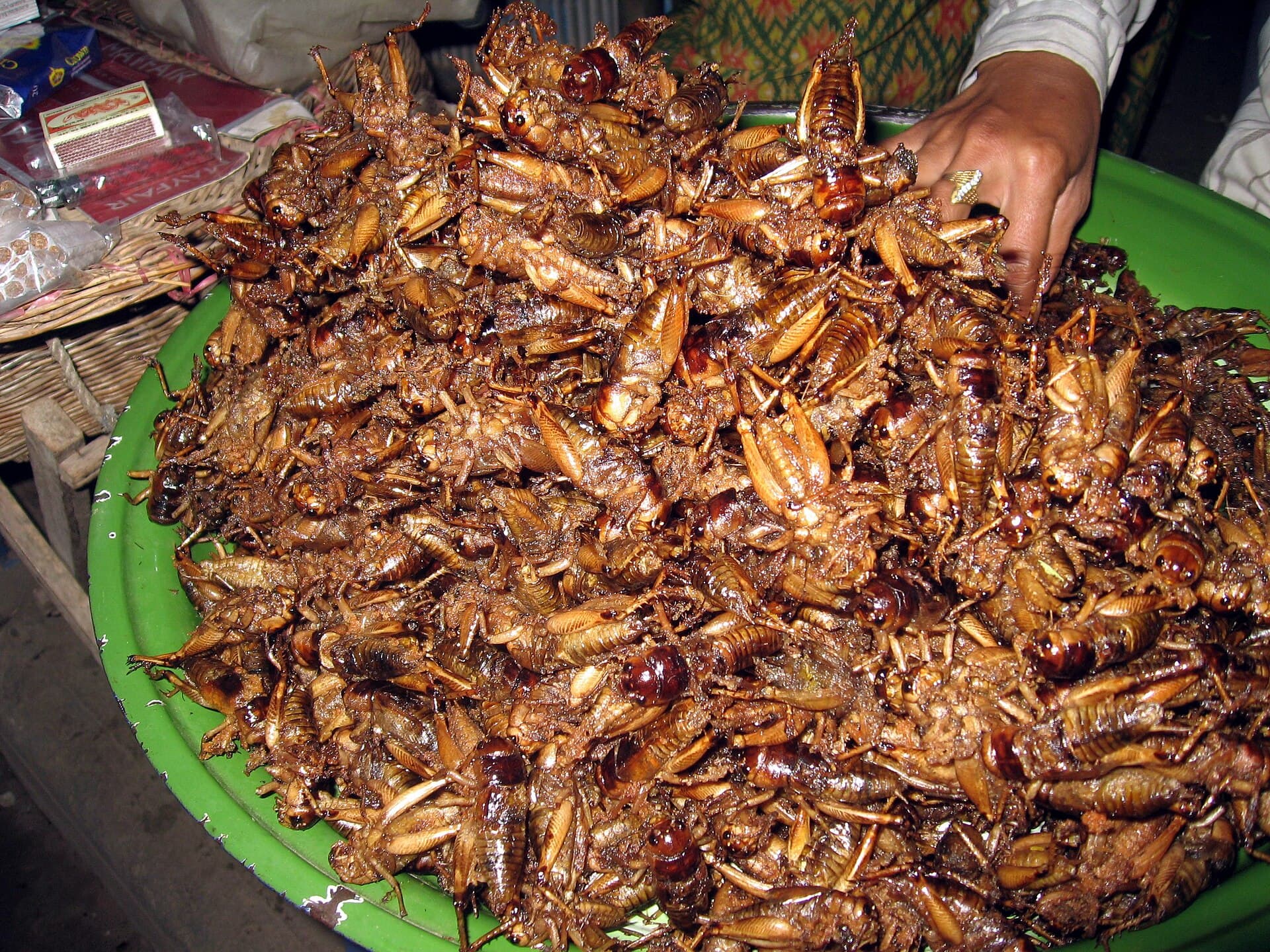
If the goal is a food system that wastes less and stretches resources further, Americans may need to get less squeamish about ingredients that are already common in other parts of the world. Insects are still a psychological hurdle in the US, but from a practical point of view they check a lot of boxes people already care about: protein, shelf stability, and a smaller production footprint than many familiar animal foods.
The real barrier is not taste so much as format. Most shoppers are not looking to toss whole roasted bugs onto taco night, but they may be open to foods where insect protein shows up in a more familiar way, like powders, snack mixes, or blended products. That is usually how food habits change in America anyway: not through a grand ethical conversion, but through convenience, price, and the feeling that a new ingredient fits into normal life.
For curious eaters, this is probably best approached like any other pantry experiment. Start small, pay attention to ingredients and sourcing, and treat it as one more option rather than a moral test. A lot of people who care about better agriculture, lower food waste, or backup protein sources do not need to become evangelists. They just need a realistic on-ramp that does not ask them to leap from burgers to bug banquets overnight.
The bigger lesson is that better food systems rarely come from one perfect solution. They come from widening the menu of what counts as acceptable, affordable, and useful. If insects can move from dare-food status into the category of everyday ingredient, that would say less about culinary shock value and more about a culture finally learning how to separate habit from common sense.
Photo: Thomas Schoch via Wikimedia Commons (CC BY-SA 2.5).

Related stories
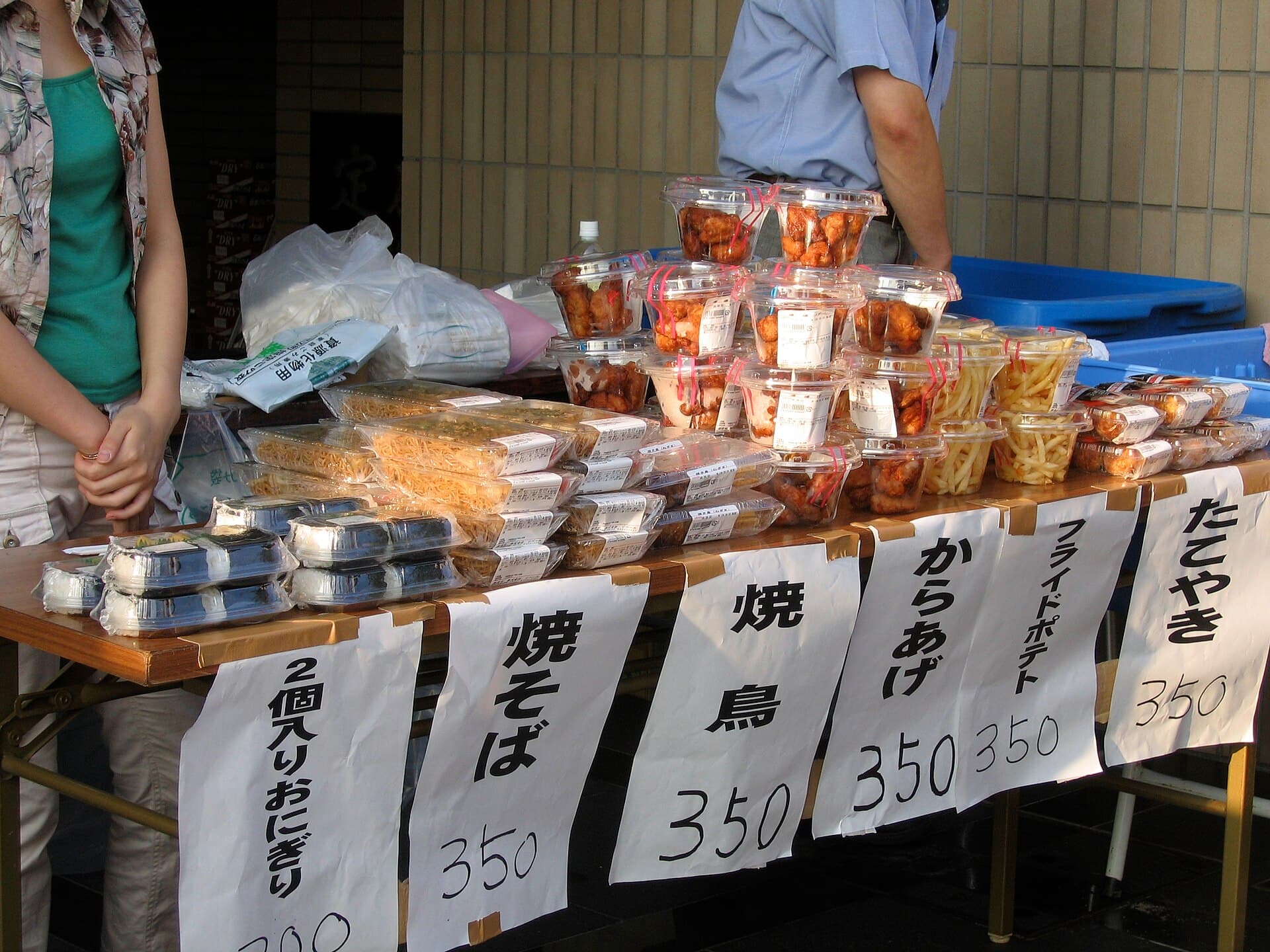
Why Neighborhood Food Festivals Are the Best Way to Try Japanese Cooking
A local Japanese food festival can be a smarter introduction than a pricey restaurant reservation. The best part is the chance to try a wider range of dishes, flavors, and community traditions in one afternoon.

The Cheapest Meal Upgrade Is Learning to Cook What You Already Bought
A smarter kitchen starts before the grocery store and pays off all week. Using what’s already in the fridge can stretch a food budget without making meals feel like leftovers on repeat.

What Diners Should Look For Before Making a Food Truck Park a Regular Stop
When a food truck park becomes the center of online complaints, it’s a reminder that diners should pay attention to more than just the menu photos. A great food stop needs consistency, transparency, and a setup that works for both customers and vendors.