What a Fixed Price Tag Says About How We Shop
When a clothing brand keeps pricing simple, it highlights how exhausting fashion math has become for everyday shoppers. The bigger appeal isn't just affordability—it's clarity, fewer impulse buys, and a better chance of buying with intention.
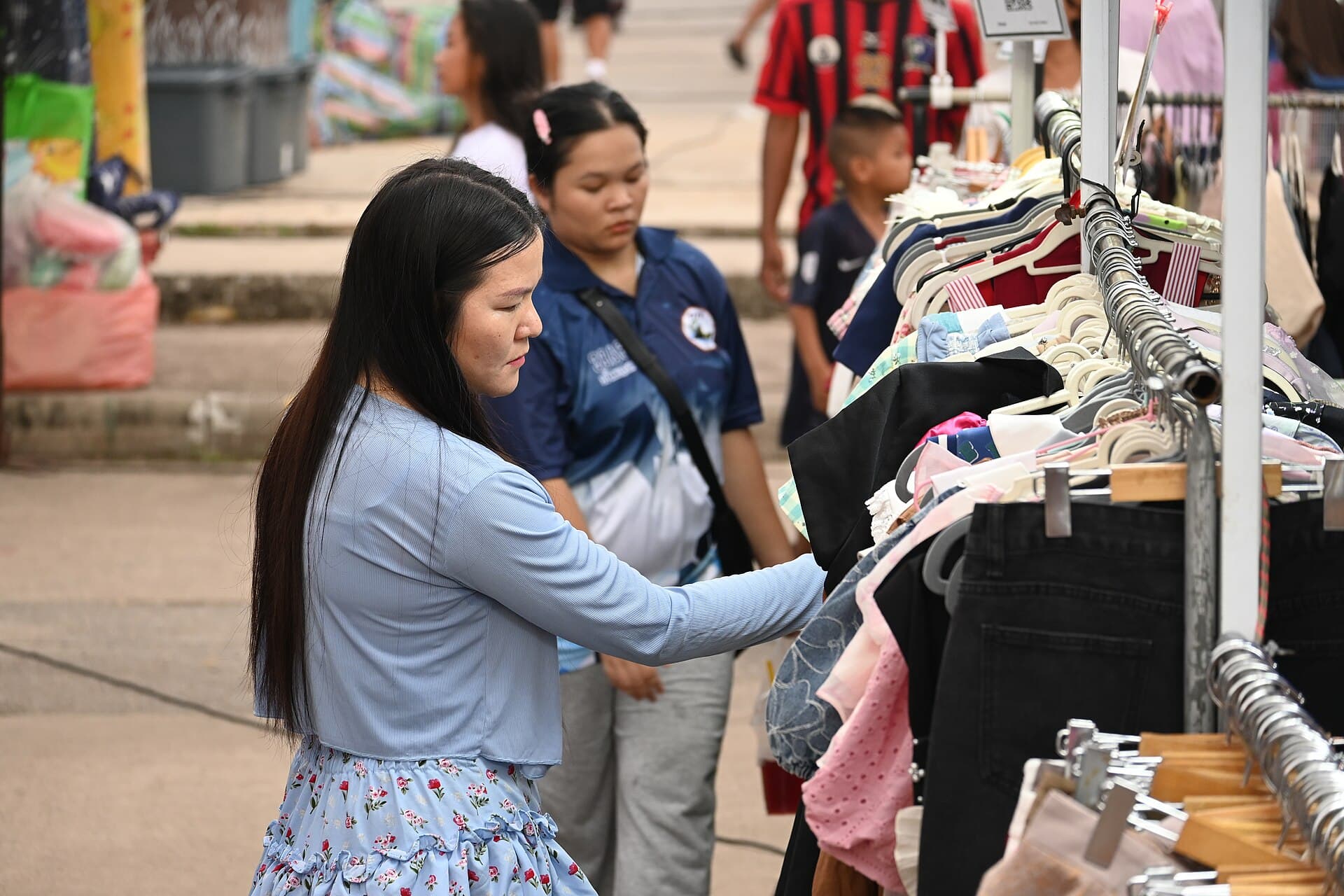
A fixed price on clothing stands out because most of us are used to playing defense while we shop. There’s the original price, the promo code, the limited-time markdown, the loyalty discount, and the question of whether the same item will be cheaper next week. When a brand strips that away, it doesn’t just make apparel feel more affordable—it makes the decision feel less manipulated.
paragraphs like this also tap into a bigger mood among US shoppers: fatigue. Plenty of people say they want to buy fewer, better things, but the fashion market is built to reward speed and overbuying. Constant sales can make low-quality pieces feel like wins, even when they pill, stretch, or fall apart after a short run. A simpler pricing model puts more pressure where it belongs: on fit, fabric, and whether the item actually earns a place in your closet.
That doesn’t mean one price automatically equals good value. A smart shopper should still look at material, stitching, care requirements, and how often they’ll realistically wear the piece. But there is something refreshing about a brand asking customers to judge clothes on usefulness instead of on the thrill of getting a deal. In a market full of fake urgency, that can feel surprisingly modern.
For anyone trying to spend less on apparel without slipping into disposable shopping habits, clarity matters. A stable price can make it easier to compare options, stick to a budget, and avoid the emotional roller coaster of retail. Fashion doesn’t need to be complicated to be stylish, and for many closets, less pricing drama might be a good place to start.
Photo: Pattaya Patrol from Pattaya via Wikimedia Commons (CC BY-SA 4.0).

Related stories

The Best Trend in Fashion Right Now Is Looking Unbothered
The most wearable runway idea this season isn’t a single item—it’s the return of clothes that look lived in, easy, and ready for an actual day. For shoppers, that means buying less fantasy and more pieces that earn repeat wear.
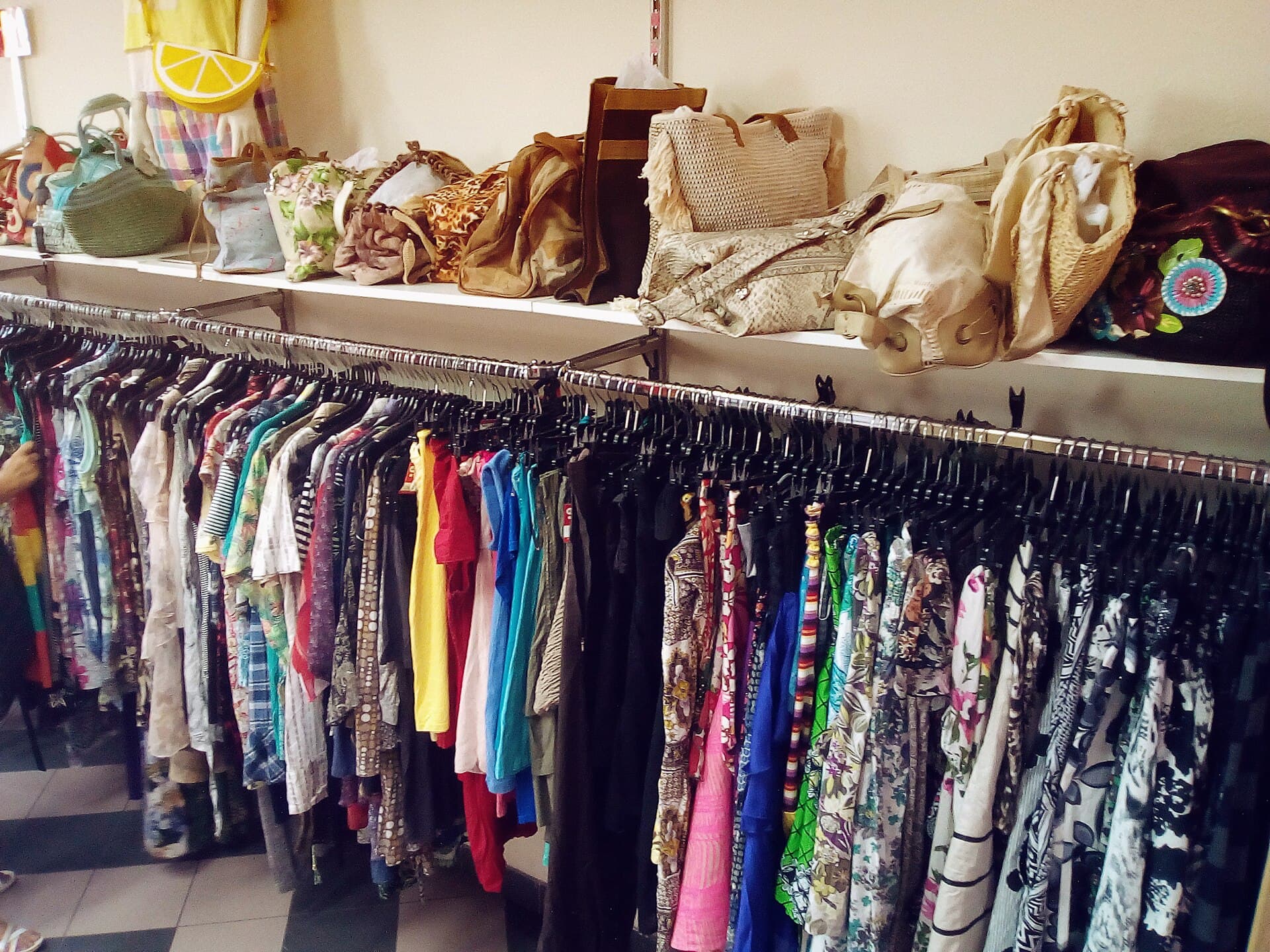
The Best Closet Upgrade Might Be Someone Else’s Return Pile
For shoppers tired of flimsy trends and constant micro-hauls, thrift stores offer a slower, smarter way to buy clothes. The real appeal isn’t just saving money—it’s finding pieces that actually deserve closet space.

Why Independent Fashion Labels Need Community More Than Hype
Big fashion headlines can distract from the fragile reality of independent labels. For shoppers, the most meaningful support often looks less like chasing trends and more like showing up for small brands consistently.