Why Food Benefits Cuts Hit the Grocery Cart First
When food assistance gets tighter, the impact shows up immediately in the kitchen: fewer backup staples, less flexibility, and harder tradeoffs at checkout. For many households, the real story is how quickly a policy change turns into a daily food problem.
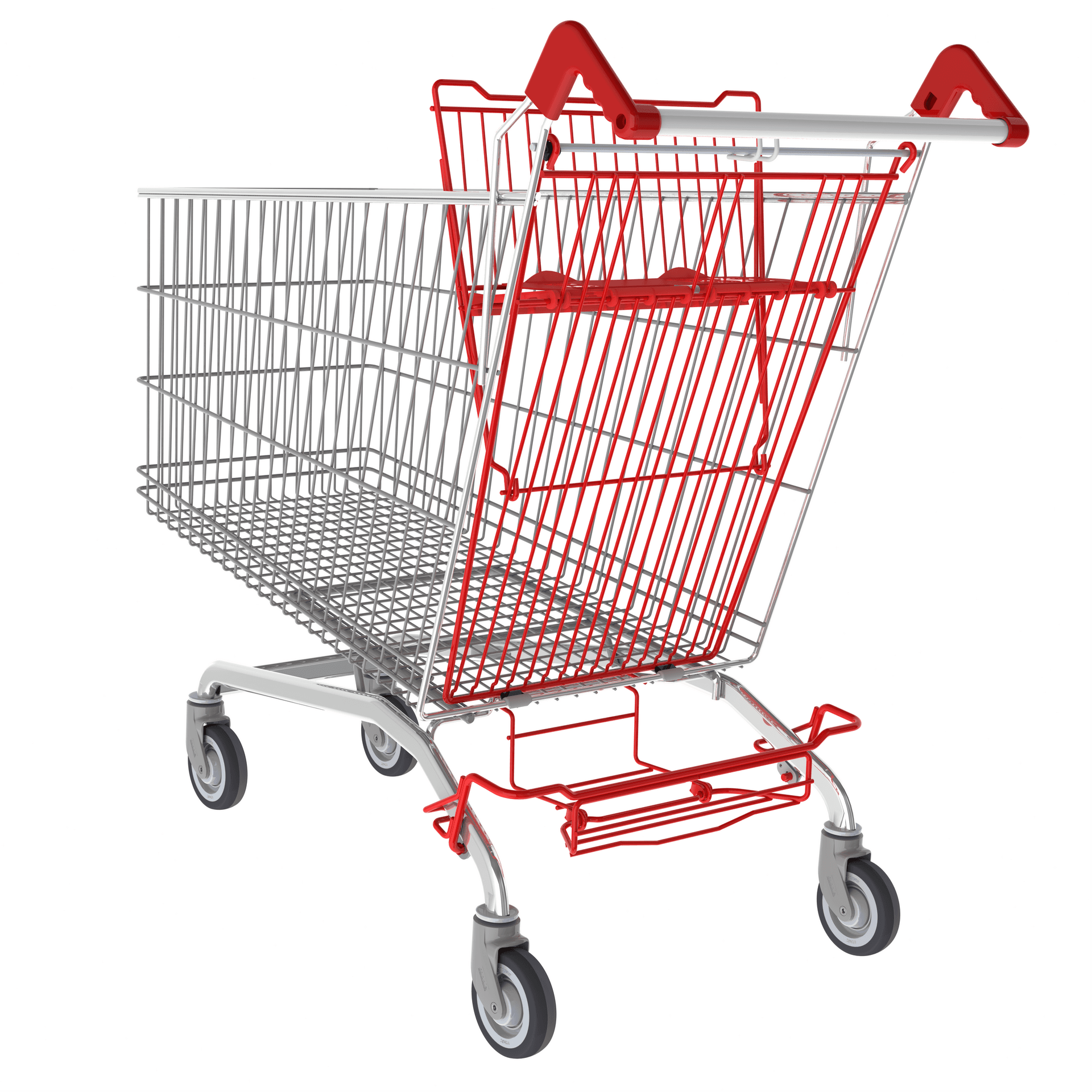
Big debates about food assistance can sound abstract until you think about what actually happens in a kitchen. When benefits shrink or become harder to access, families do not just “tighten up” in some vague way. They skip the cushion items that make meals possible all week long: extra rice, frozen vegetables, cereal for rushed mornings, bread for backup lunches, peanut butter for the end of the month.
paragraphs like these matter because grocery budgets are not built for perfection. Most households are already balancing convenience, nutrition, time, and whatever the store happens to have on sale. A cut to benefits does not only reduce spending power; it removes flexibility. That usually means fewer fresh items, fewer pantry backups, and less room to recover from a missed paycheck, a sick day, or a sudden jump in prices.
For shoppers watching this debate from the sidelines, it is worth noticing how closely food policy connects to everyday retail life. When more people have to stretch less money, demand shifts toward the cheapest calories, local food pantries feel it first, and schools, neighbors, and community groups end up filling gaps that should not be treated as casual leftovers. Hunger is not only a moral issue; it is a practical one that lands at the register and on the dinner table.
The most useful response is to pay attention to the unglamorous realities of food access. A healthy grocery routine depends on stability: reliable benefits, predictable store prices, and enough breathing room to buy food before a crisis hits. Once that margin disappears, every meal becomes a negotiation, and that is a much bigger cost than any headline usually captures.
Photo: Caddiedrusenheim via Wikimedia Commons (CC BY-SA 4.0).

Related stories
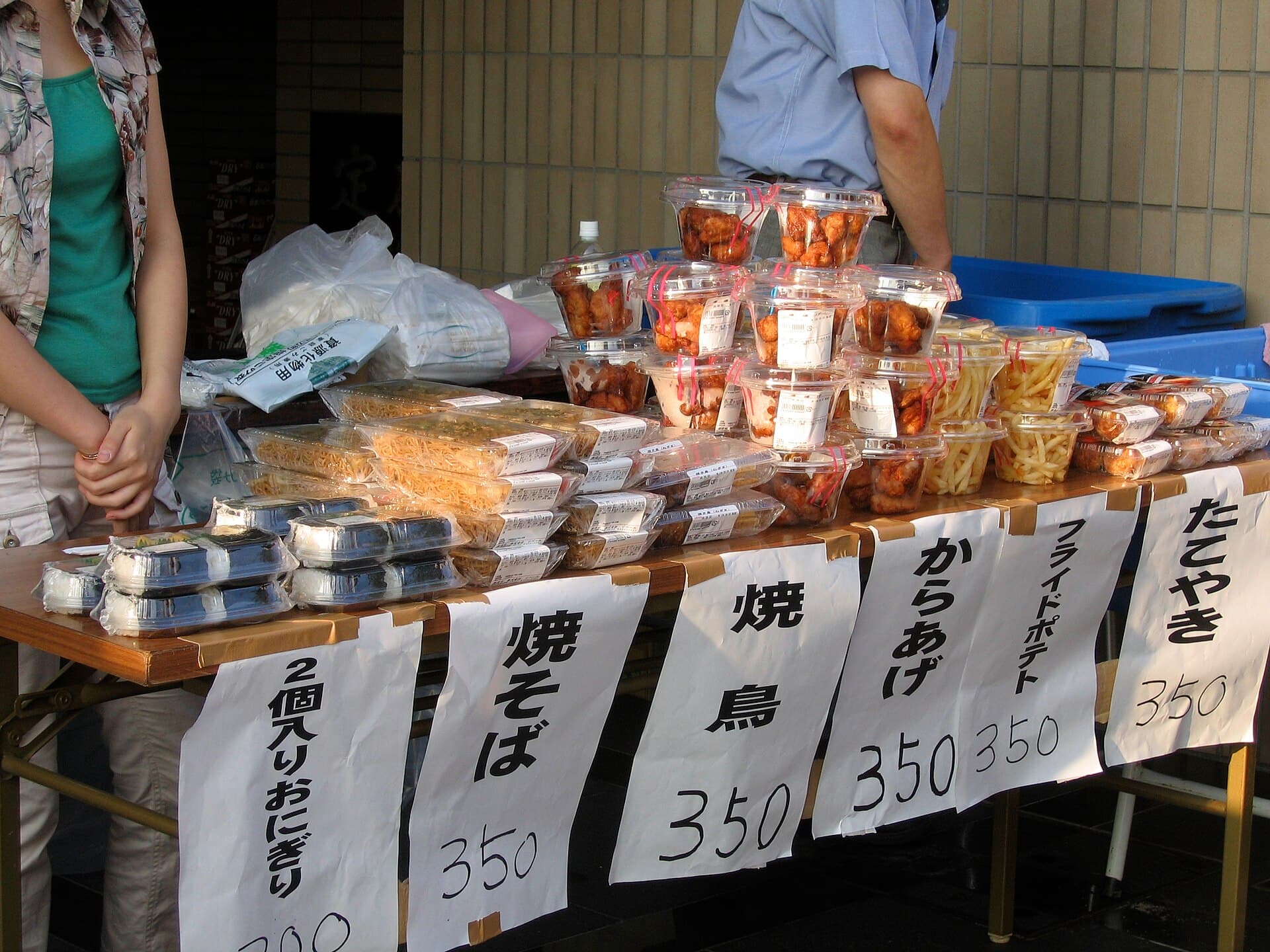
Why Neighborhood Food Festivals Are the Best Way to Try Japanese Cooking
A local Japanese food festival can be a smarter introduction than a pricey restaurant reservation. The best part is the chance to try a wider range of dishes, flavors, and community traditions in one afternoon.
The Cheapest Meal Upgrade Is Learning to Cook What You Already Bought
A smarter kitchen starts before the grocery store and pays off all week. Using what’s already in the fridge can stretch a food budget without making meals feel like leftovers on repeat.

What Diners Should Look For Before Making a Food Truck Park a Regular Stop
When a food truck park becomes the center of online complaints, it’s a reminder that diners should pay attention to more than just the menu photos. A great food stop needs consistency, transparency, and a setup that works for both customers and vendors.