Why Government-Test-Kitchen Vibes Are Weirdly Watchable Right Now
Official-looking cooking videos can feel stiff, but they also tap into a real craving for simple, useful food advice. The appeal says less about politics than about how tired many people are of expensive, overproduced recipe culture.
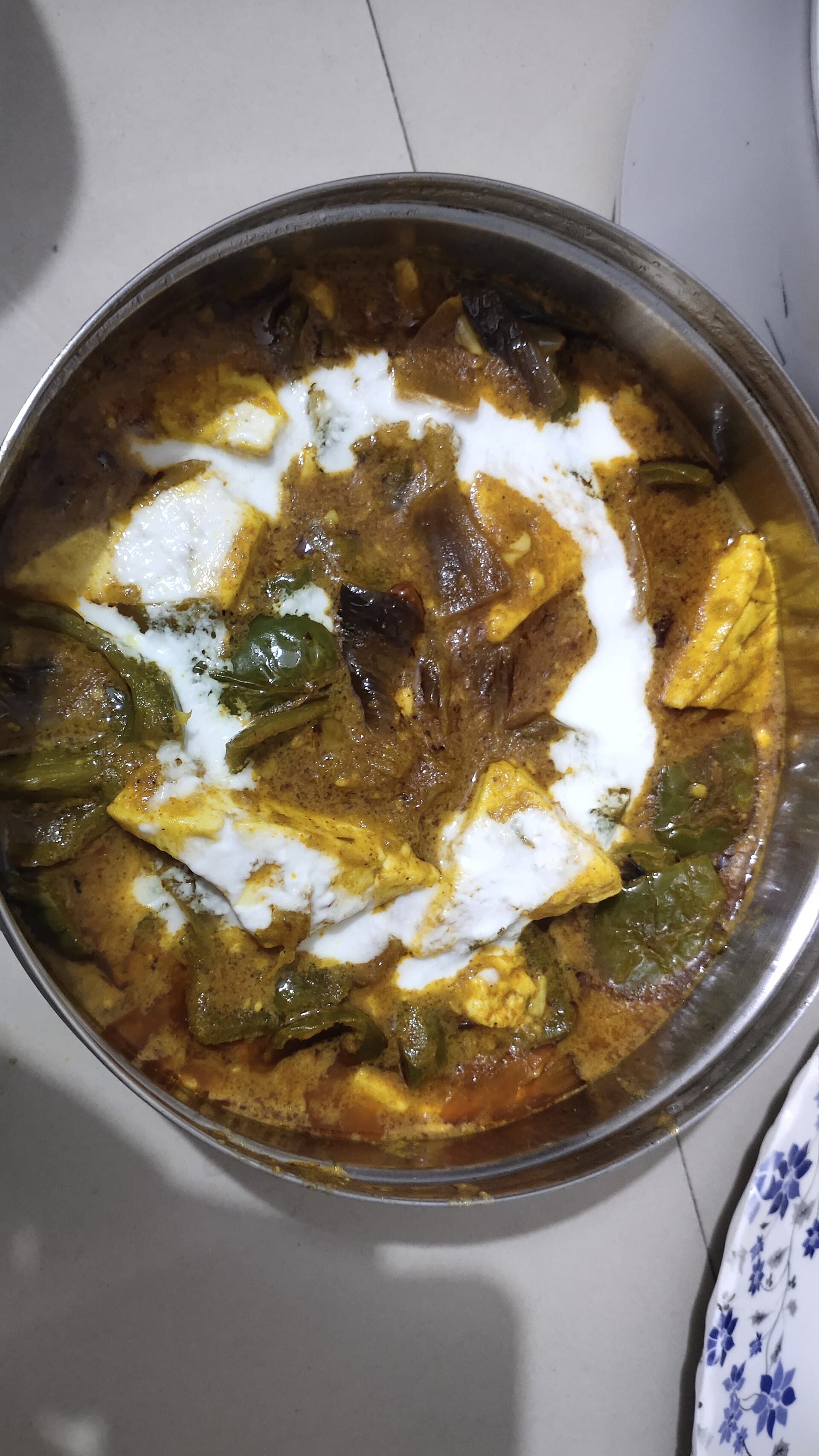
There is something oddly comforting about a cooking show that looks more like a public-service announcement than a glossy streaming series. When food media gets too polished, too sponsored, or too obsessed with novelty, a plainer format can read as refreshingly direct. For viewers who just want dinner ideas that seem doable on a Tuesday, that no-frills tone has real appeal.
Part of the fascination is that official-style food content promises rules, order, and basic competence at a moment when grocery shopping feels chaotic and expensive. People are tired of recipes built around niche ingredients, oversized grocery hauls, and kitchens that look like luxury showrooms. A simple demonstration of how to cook vegetables, stretch leftovers, or make a filling meal without fuss can land better than another aspirational food video designed mainly to be shared.
That does not mean viewers have to swallow every health claim or treat any branded message as neutral. The smarter way to watch this kind of content is to separate the performance from the practical value. If a video offers a good technique, an affordable meal framework, or a reminder to cook at home more often, great. If it starts drifting into ideology dressed up as kitchen advice, that is the cue to keep your skepticism switched on.
The bigger lesson is that food audiences are hungry for competence more than charisma. They want recipes that respect budgets, basic skills, and limited time. If more cooking media borrowed that grounded energy, without the sermonizing, it would probably do very well with American households trying to eat decently without turning dinner into a lifestyle project.
Photo: Medhi jyoti via Wikimedia Commons (CC0).

Related stories
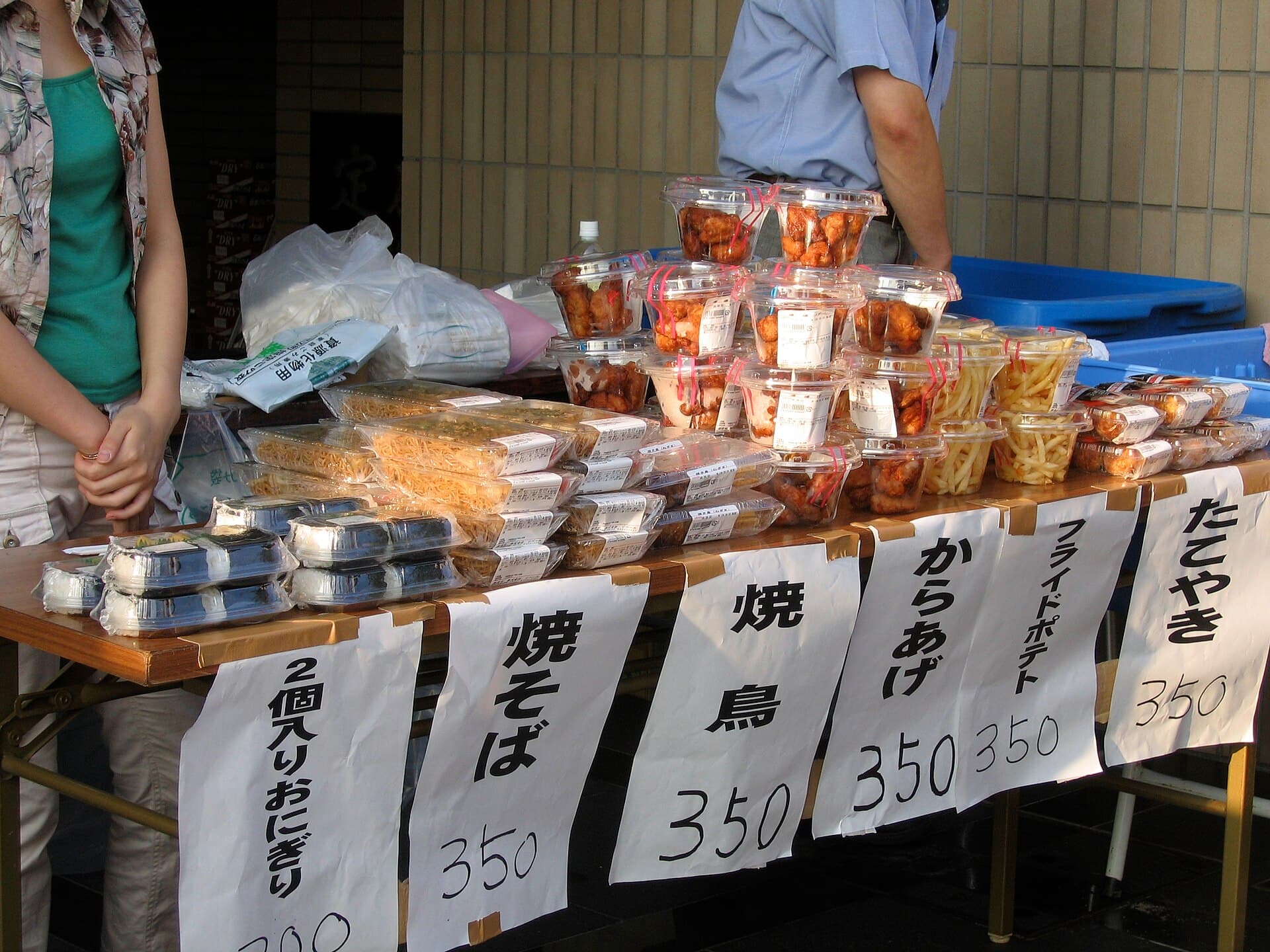
Why Neighborhood Food Festivals Are the Best Way to Try Japanese Cooking
A local Japanese food festival can be a smarter introduction than a pricey restaurant reservation. The best part is the chance to try a wider range of dishes, flavors, and community traditions in one afternoon.
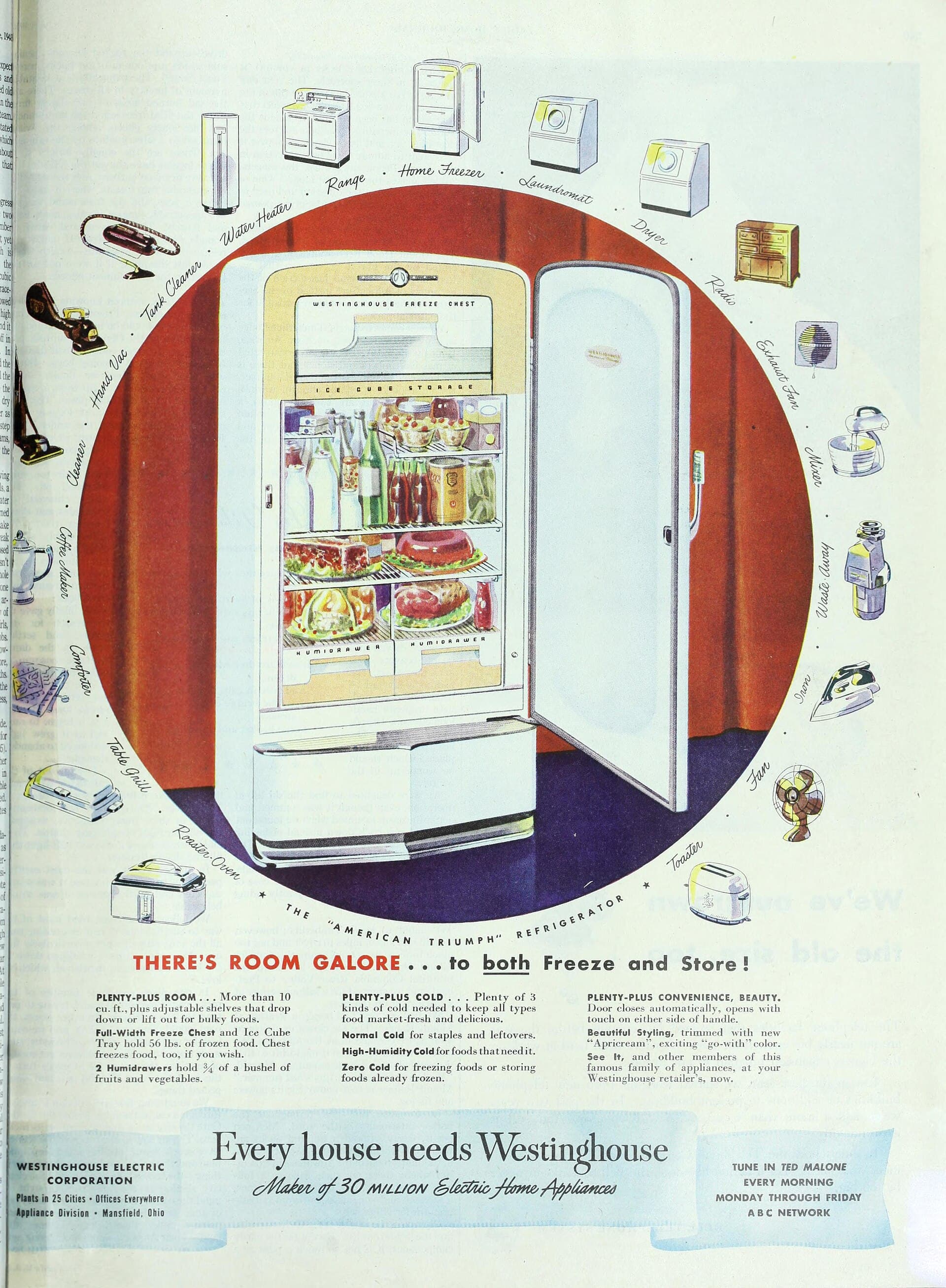
The Cheapest Meal Upgrade Is Learning to Cook What You Already Bought
A smarter kitchen starts before the grocery store and pays off all week. Using what’s already in the fridge can stretch a food budget without making meals feel like leftovers on repeat.

What Diners Should Look For Before Making a Food Truck Park a Regular Stop
When a food truck park becomes the center of online complaints, it’s a reminder that diners should pay attention to more than just the menu photos. A great food stop needs consistency, transparency, and a setup that works for both customers and vendors.