Your Grocery Routine Needs a Resilience Upgrade
Big future worries often sound abstract, but they show up in ordinary places like the produce aisle, your utility bill, and what dinner costs this week. A smarter food routine now can make everyday life a little cheaper, steadier, and less wasteful later.
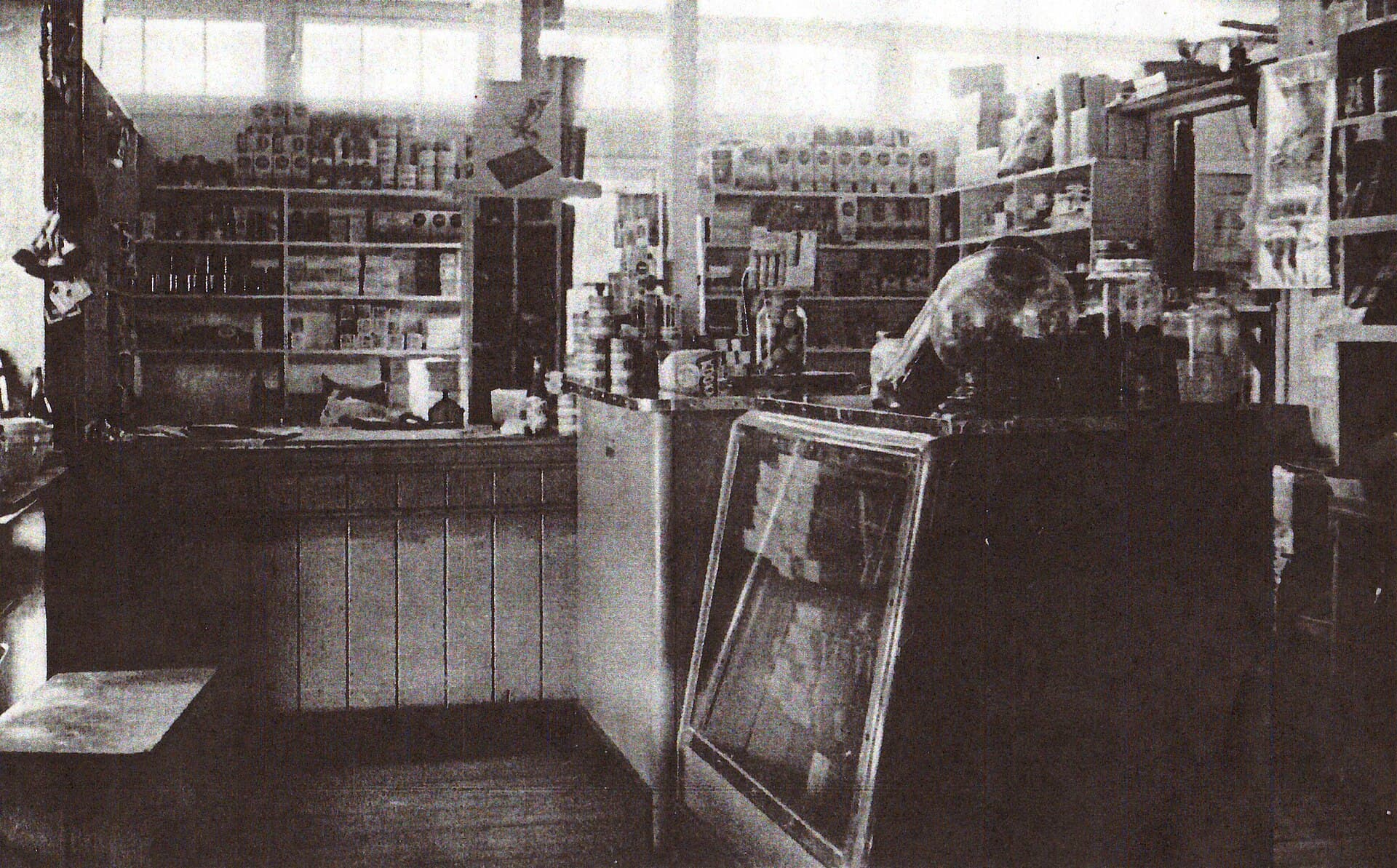
The most useful way to think about the future of food isn’t as a far-off crisis story. It’s as a household planning problem that is already creeping into normal life through higher bills, spotty availability, and the strange experience of finding one staple suddenly expensive or missing. For most Americans, the practical response is not panic buying. It’s building a kitchen routine that can absorb surprises without turning every grocery trip into a stress test.
Start with flexibility. The shoppers who handle price swings best are usually the ones who can swap ingredients without feeling like dinner is ruined. That means knowing a few meals that work with different beans, grains, frozen vegetables, or whatever protein is on sale. It also means treating your freezer, pantry, and tap water habits as part of the same system: less waste, more backups, and fewer emergency takeout nights when one plan falls apart.
There’s also a cultural shift hiding in this. For years, aspirational food media pushed abundance, specialization, and buying exactly what a recipe demands. Real life is moving in the opposite direction. Practical cooking now looks more stylish than perfection: using what you have, buying seasonal produce when it’s affordable, and choosing appliances and habits that use less energy without making life miserable. That may not sound glamorous, but it is the kind of competence that pays off every single week.
If there’s a deals angle here, it’s this: resilience is a bargain. A stocked pantry, a couple of repeatable low-effort meals, and the habit of comparing fresh, frozen, and canned versions of the same food can save money while making your household less fragile. The future will bring enough volatility on its own. Dinner does not need to add to it.
Photo: John Hinton via Wikimedia Commons (Public domain).

Related stories
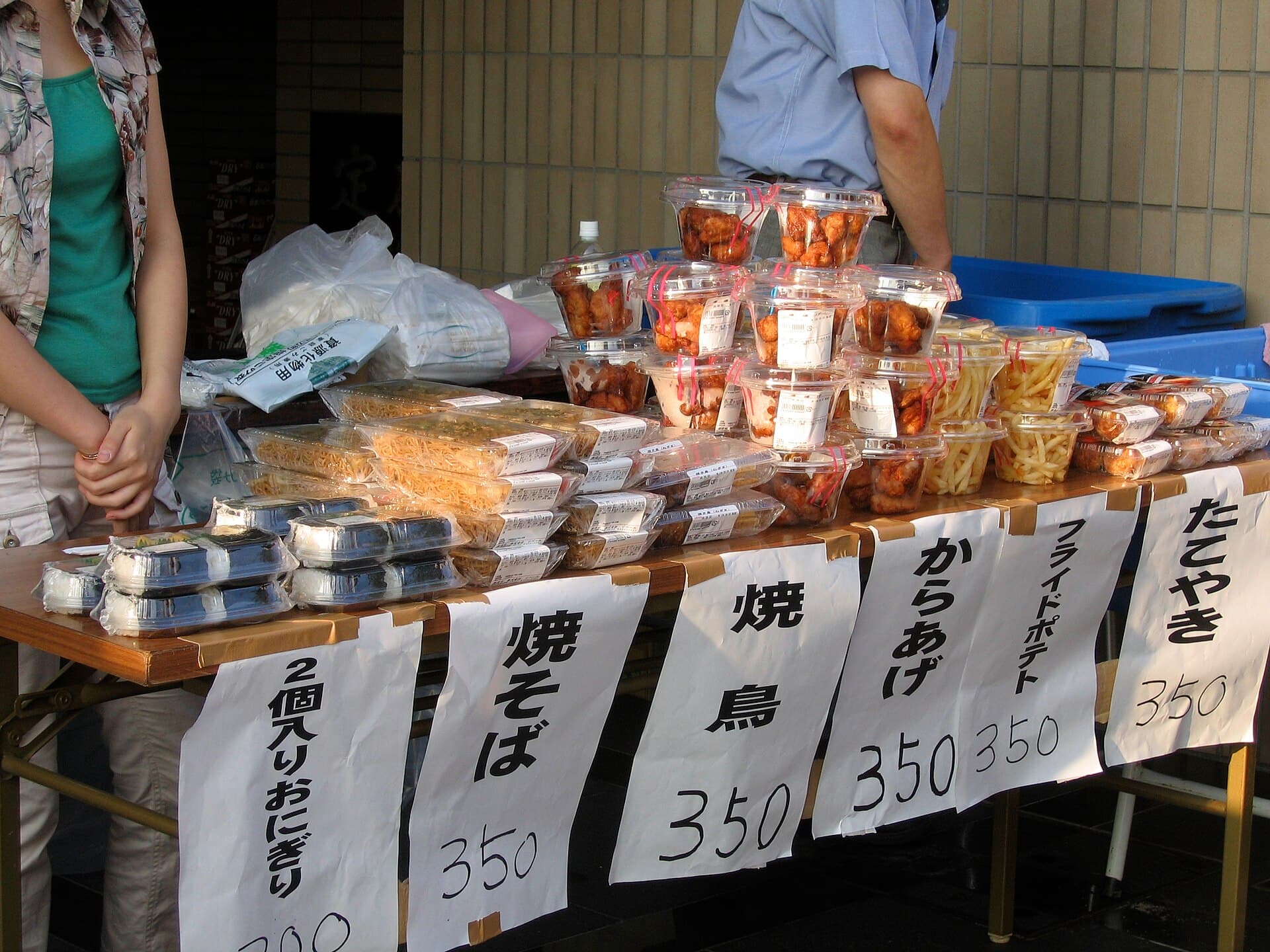
Why Neighborhood Food Festivals Are the Best Way to Try Japanese Cooking
A local Japanese food festival can be a smarter introduction than a pricey restaurant reservation. The best part is the chance to try a wider range of dishes, flavors, and community traditions in one afternoon.
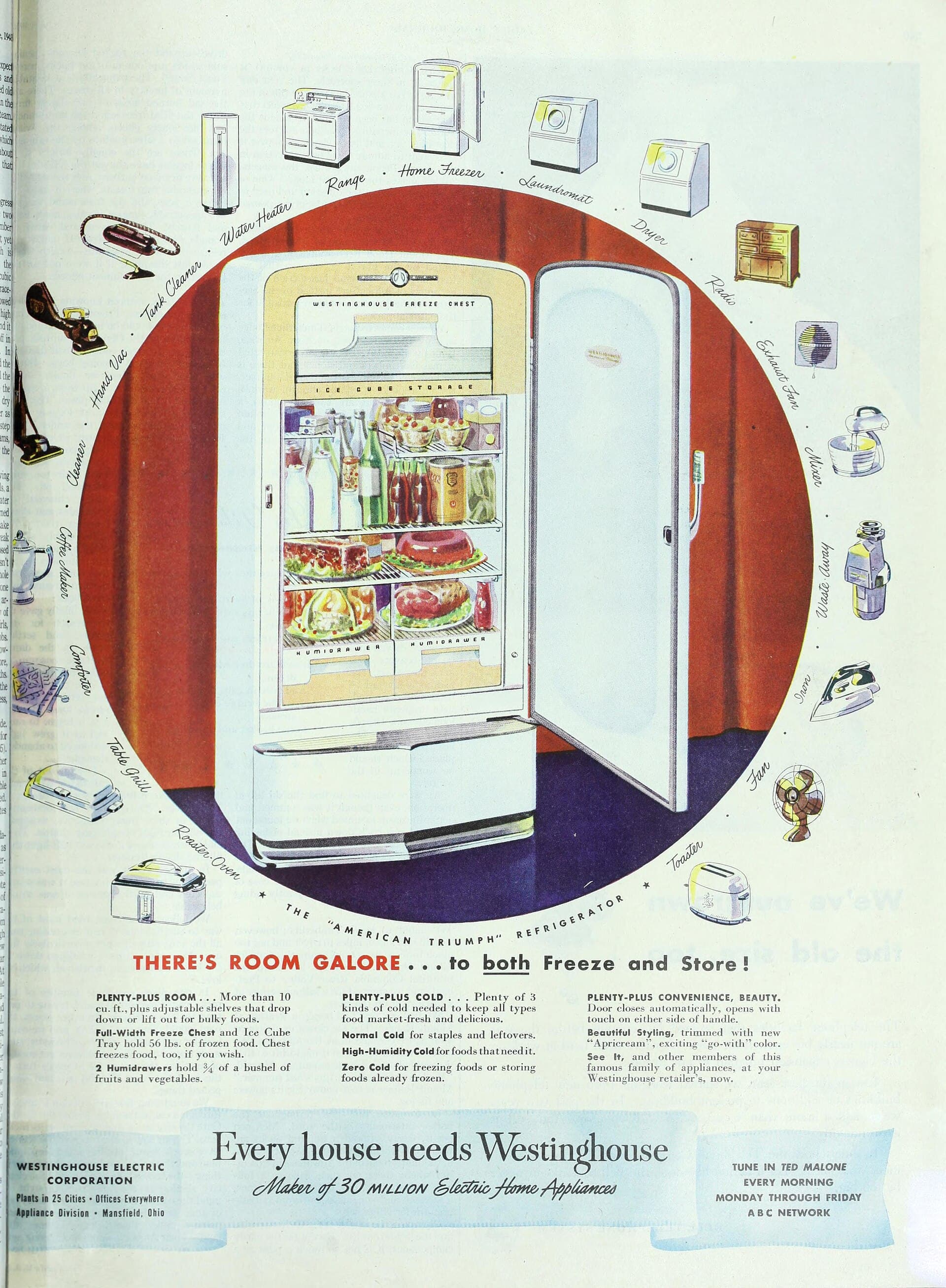
The Cheapest Meal Upgrade Is Learning to Cook What You Already Bought
A smarter kitchen starts before the grocery store and pays off all week. Using what’s already in the fridge can stretch a food budget without making meals feel like leftovers on repeat.

What Diners Should Look For Before Making a Food Truck Park a Regular Stop
When a food truck park becomes the center of online complaints, it’s a reminder that diners should pay attention to more than just the menu photos. A great food stop needs consistency, transparency, and a setup that works for both customers and vendors.