The Grocery Squeeze Is Changing How America Eats
When more families need help putting food on the table, it’s not just a charity story—it’s a kitchen story. The new reality of grocery shopping is pushing households to cook simpler, waste less, and rethink what counts as a good deal.
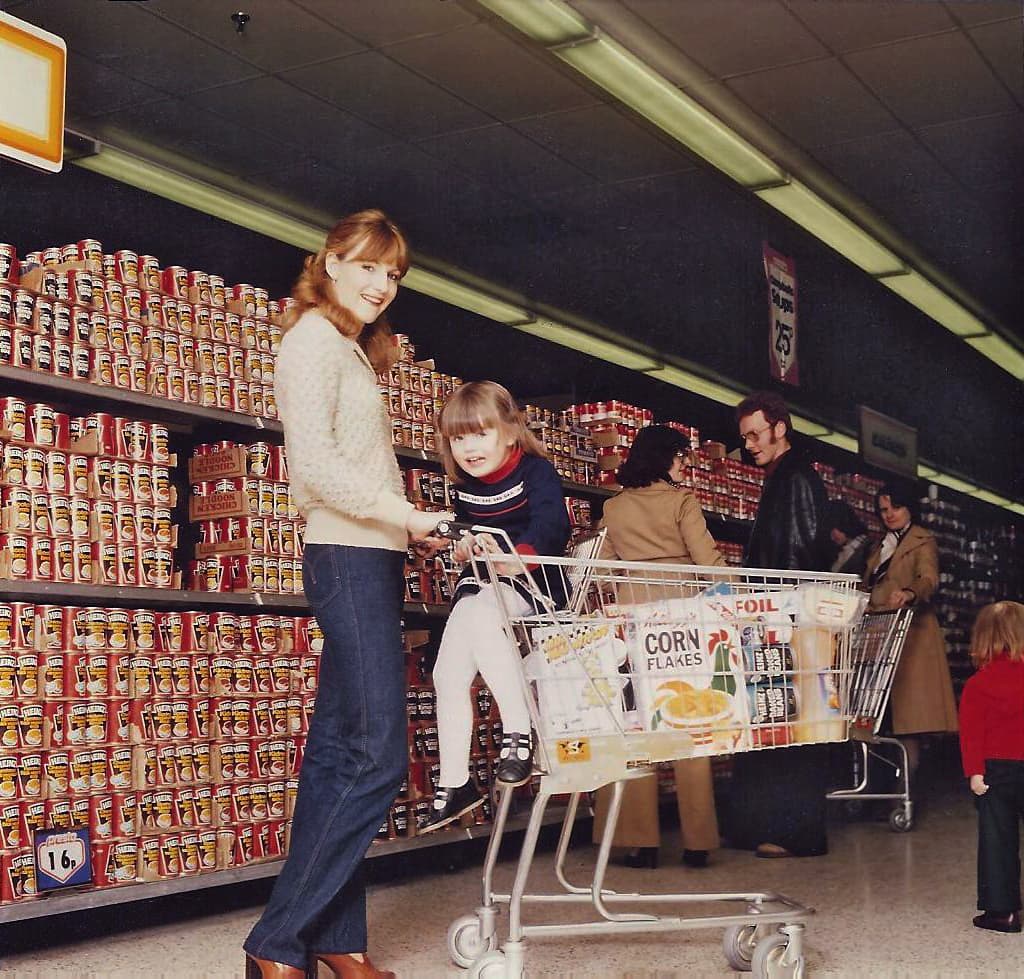
When food banks report heavier demand, the bigger takeaway for most households is simple: the margin for error at the grocery store is gone. A few impulse buys, a forgotten bag of produce, or a dinner plan that falls apart midweek can turn an already tight budget into a stressful one. For many Americans, food shopping now feels less like a routine errand and more like a weekly math problem.
That shift is changing what practical home cooking looks like. The smartest meal plans right now are not aspirational ones built around specialty ingredients; they’re flexible dinners that can absorb whatever is already in the pantry, freezer, or fridge. Soup, rice bowls, pasta, eggs, beans, roasted vegetables, and sandwiches may not feel exciting, but they do something luxury groceries never can: they keep options open and waste low.
It’s also a good moment to be more skeptical about the idea of a 'deal.' A discount only helps if the food gets eaten, and bulk buying only saves money when a household can store it and use it in time. For shoppers trying to stretch every trip, the better value is often boring value: store brands, repeat ingredients that work in several meals, and foods with a longer shelf life that won’t punish a change of plans.
There’s nothing stylish about needing to become hyper-efficient in your own kitchen, but there is something useful in admitting where many households are right now. Eating well on a budget increasingly means cooking more plainly, planning more honestly, and treating food waste like the expense it is. In that sense, thrift isn’t a trend—it’s becoming the core skill of modern grocery life.
Photo: Debbie Mc via Wikimedia Commons (CC BY 2.0).

Related stories
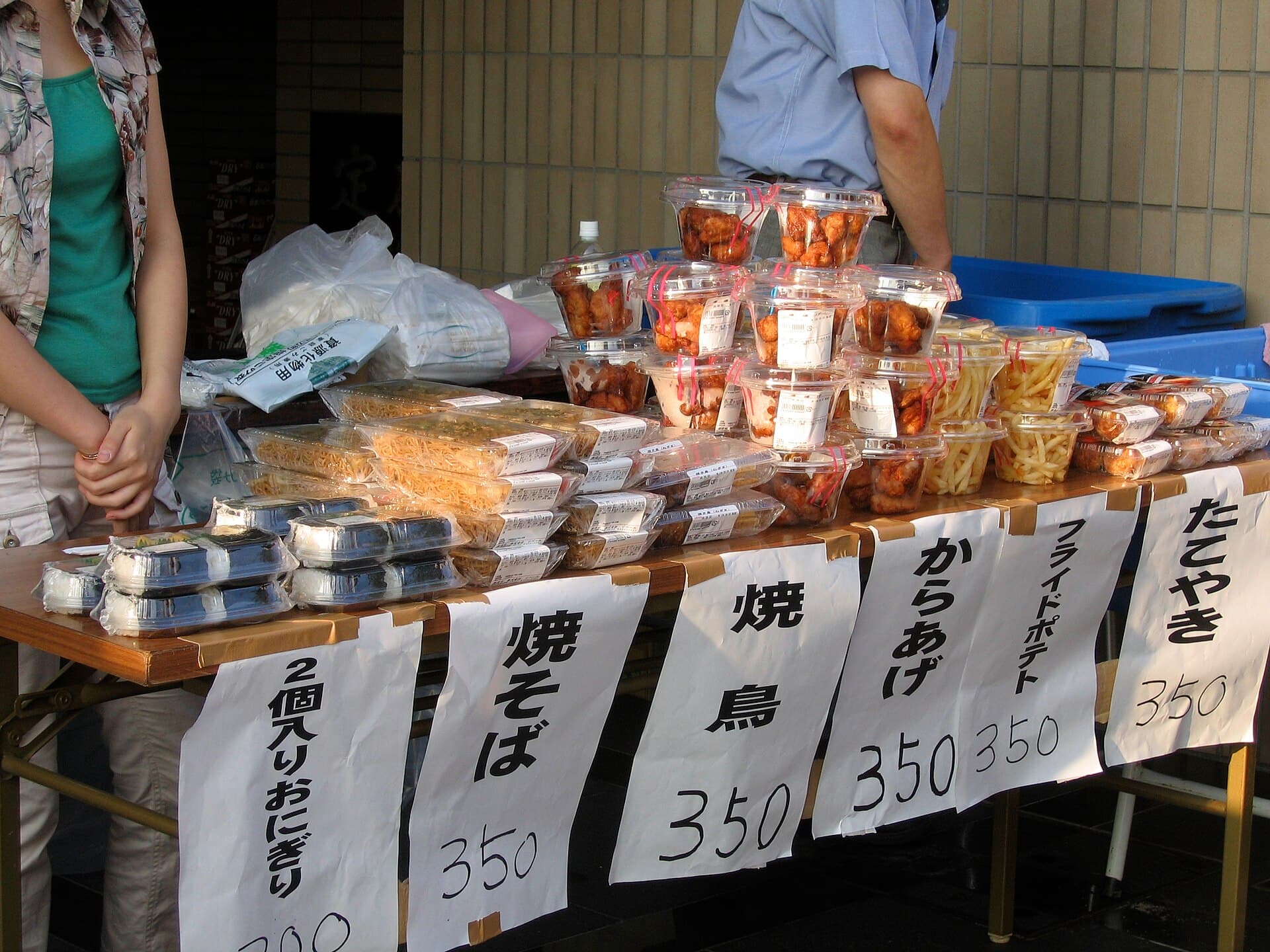
Why Neighborhood Food Festivals Are the Best Way to Try Japanese Cooking
A local Japanese food festival can be a smarter introduction than a pricey restaurant reservation. The best part is the chance to try a wider range of dishes, flavors, and community traditions in one afternoon.
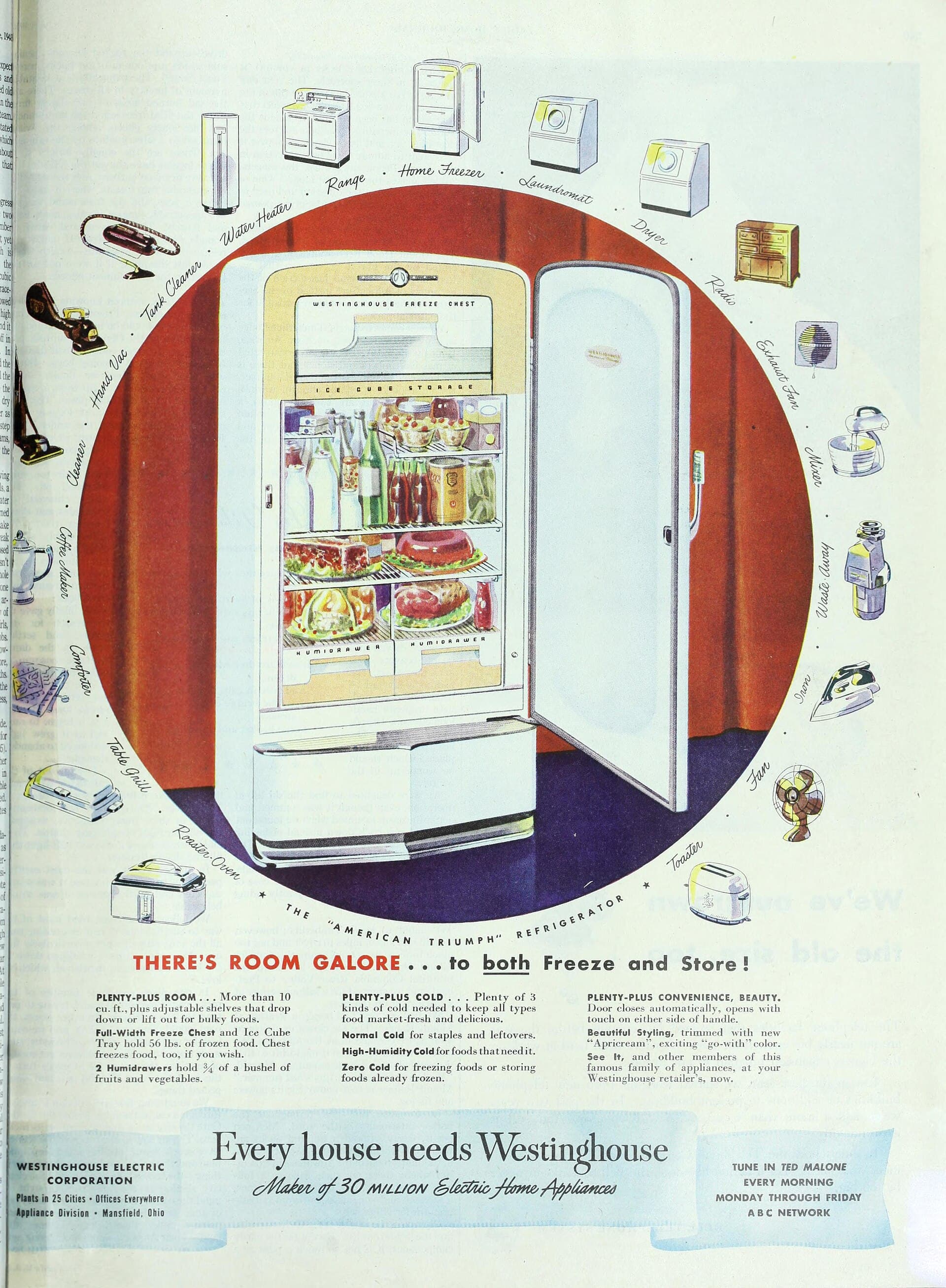
The Cheapest Meal Upgrade Is Learning to Cook What You Already Bought
A smarter kitchen starts before the grocery store and pays off all week. Using what’s already in the fridge can stretch a food budget without making meals feel like leftovers on repeat.

What Diners Should Look For Before Making a Food Truck Park a Regular Stop
When a food truck park becomes the center of online complaints, it’s a reminder that diners should pay attention to more than just the menu photos. A great food stop needs consistency, transparency, and a setup that works for both customers and vendors.