Why Home Cooks Should Borrow a Few Tricks From Food Styling
Food styling techniques aren’t just for magazine shoots. A few simple habits can make weeknight meals look better, waste less, and feel more satisfying without turning dinner into a project.

Most people hear “food styling” and think of tweezers, studio lights, and fussy plates nobody would actually eat from. But the best lesson from that world is much more practical: small visual choices change how a meal feels. If your roasted vegetables are piled into a deep bowl where all the color disappears, or your pasta is drowning in sauce before it hits the table, the food can seem heavier and less appealing than it really is.
The easiest trick to steal at home is restraint. Give food a little space on the plate, add sauces just before serving instead of far in advance, and save fresh herbs or crunchy toppings for the last minute so they still look alive. That doesn’t mean dinner should resemble a restaurant tasting menu. It just means a scoop of grains, a neat piece of fish, and a bright vegetable placed with a little intention will usually look better than everything tossed together in a rush.
Lighting matters too, and not just for people taking photos of their lunch. Meals tend to look their best in natural light or warm indoor light, while harsh overhead bulbs can make even a good dish seem flat and gray. Serving bowls also do more work than many kitchens give them credit for: a matte plate can make colorful food pop, and a shallower bowl often shows off soups, salads, and pastas better than oversized dinnerware.
There’s also a money-saving angle here. When leftovers are arranged well and finished with something simple like lemon, herbs, or a drizzle of oil, they feel revived instead of recycled. That’s the underrated value of thinking like a stylist at home: not perfection, but making ordinary food look worth eating. In a time when groceries cost enough already, that’s a skill with real payoff.
Photo: shankar s. from Dubai, united arab emirates via Wikimedia Commons (CC BY 2.0).
.jpg)
Related stories
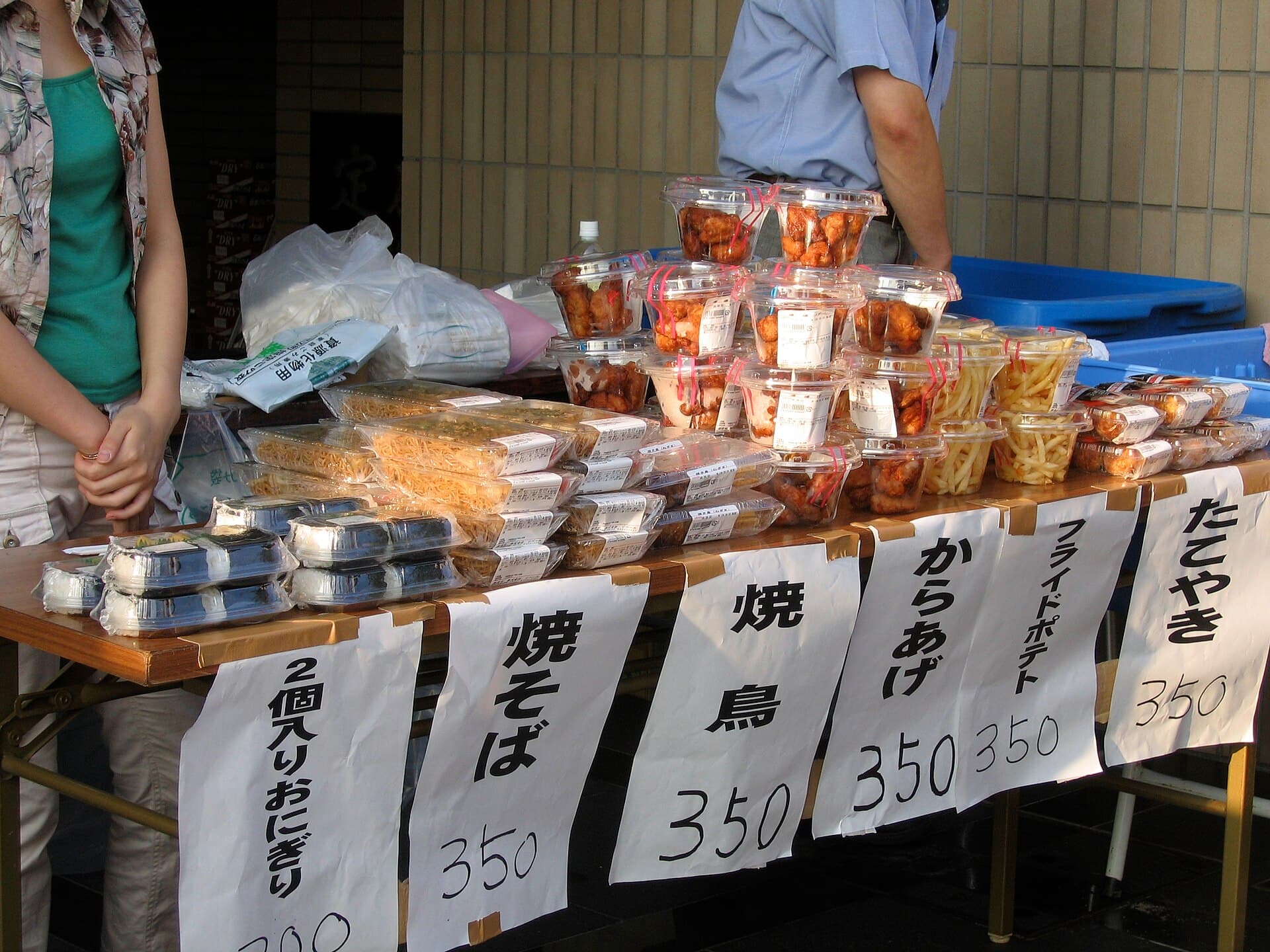
Why Neighborhood Food Festivals Are the Best Way to Try Japanese Cooking
A local Japanese food festival can be a smarter introduction than a pricey restaurant reservation. The best part is the chance to try a wider range of dishes, flavors, and community traditions in one afternoon.
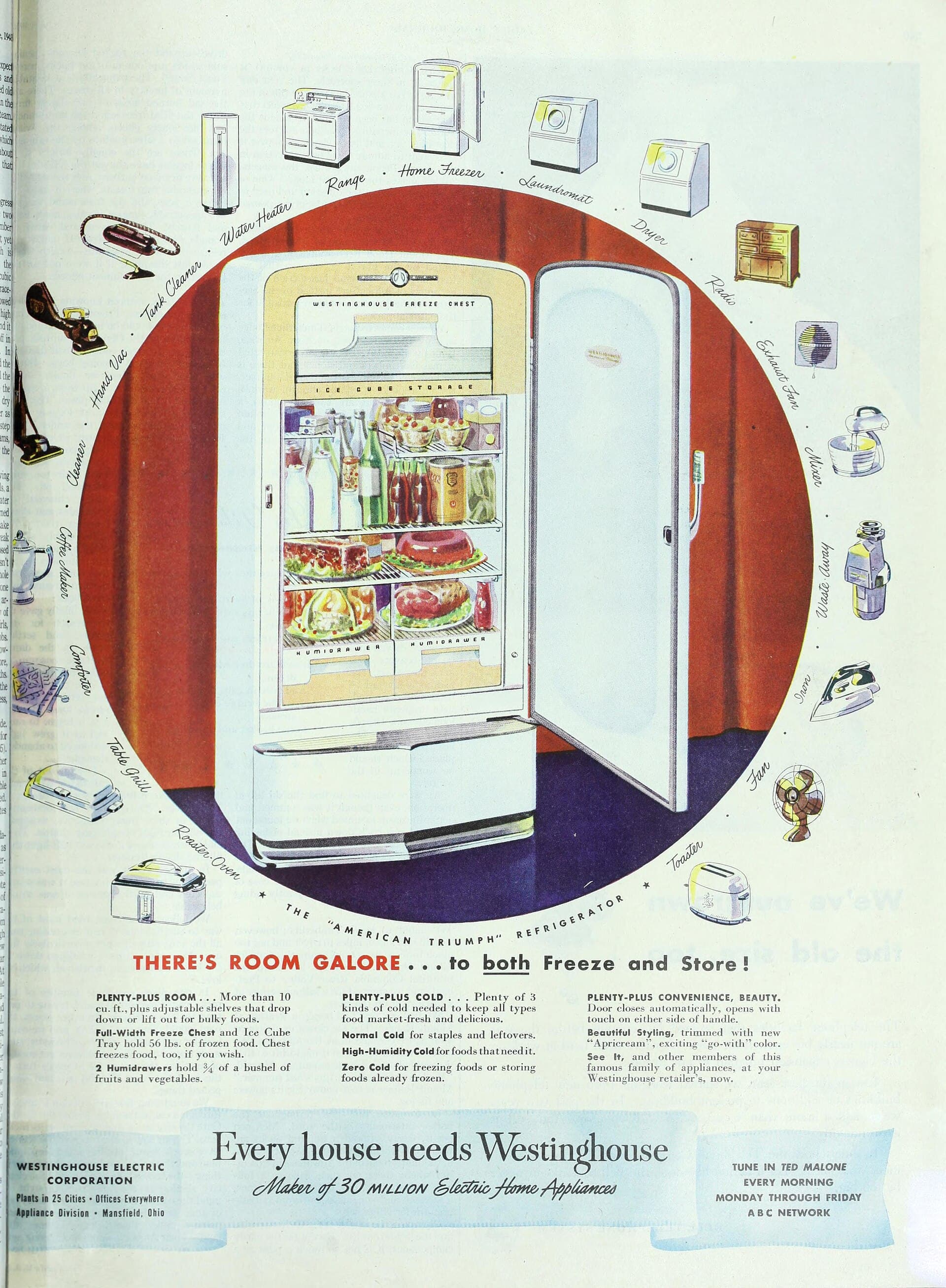
The Cheapest Meal Upgrade Is Learning to Cook What You Already Bought
A smarter kitchen starts before the grocery store and pays off all week. Using what’s already in the fridge can stretch a food budget without making meals feel like leftovers on repeat.

What Diners Should Look For Before Making a Food Truck Park a Regular Stop
When a food truck park becomes the center of online complaints, it’s a reminder that diners should pay attention to more than just the menu photos. A great food stop needs consistency, transparency, and a setup that works for both customers and vendors.