How Couture-Level Weirdness Filters Into the Clothes We Actually Buy
Runway extremes rarely arrive in our closets intact, but they do shape what shows up at every price point. The real value for shoppers is spotting the wearable ideas early and skipping the costume version.
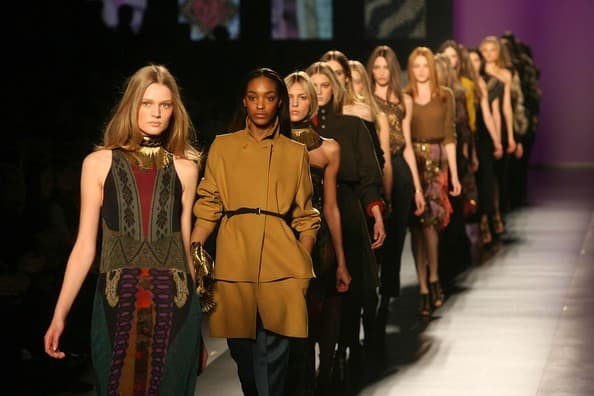
The most theatrical runway collections matter to regular shoppers for one simple reason: they teach the rest of the market what to exaggerate next. A dramatic shoulder, a surreal button, a sharply carved waist, an unexpected gold accent — those details get toned down, mass-produced, and dropped into stores months later. You do not need the fantasy piece to benefit from the idea.
For US shoppers, the smartest move is to separate styling spectacle from actual wardrobe utility. If a designer is pushing bold tailoring or statement hardware, the practical takeaway is not to dress like a museum exhibit. It is to look for one controlled version of that mood: a blazer with stronger shape, a simple black dress with unusual neckline detail, or a great belt that makes basics feel more intentional.
This is also a good reminder that trend-chasing works better when you focus on silhouette than decoration. Novel trims and gimmicky accessories can date fast, especially once fast fashion copies them badly. But a refined cut — fuller sleeves, longer jackets, slightly sculpted skirts — often feels fresh without becoming unwearable. That is usually where the best cost-per-wear lives.
The lifestyle lesson here is that high fashion is most useful when it sharpens your eye, not your impulse spending. If the runway energy makes your current closet feel a little too safe, borrow the attitude in one piece and keep the rest grounded. That approach reads modern, saves money, and avoids the all-too-common mistake of buying the trend before it learns how to behave in real life.
Photo: Noura Alswailem via Wikimedia Commons (CC BY-SA 3.0).

Related stories

The Best Trend in Fashion Right Now Is Looking Unbothered
The most wearable runway idea this season isn’t a single item—it’s the return of clothes that look lived in, easy, and ready for an actual day. For shoppers, that means buying less fantasy and more pieces that earn repeat wear.
The Best Closet Upgrade Might Be Someone Else’s Return Pile
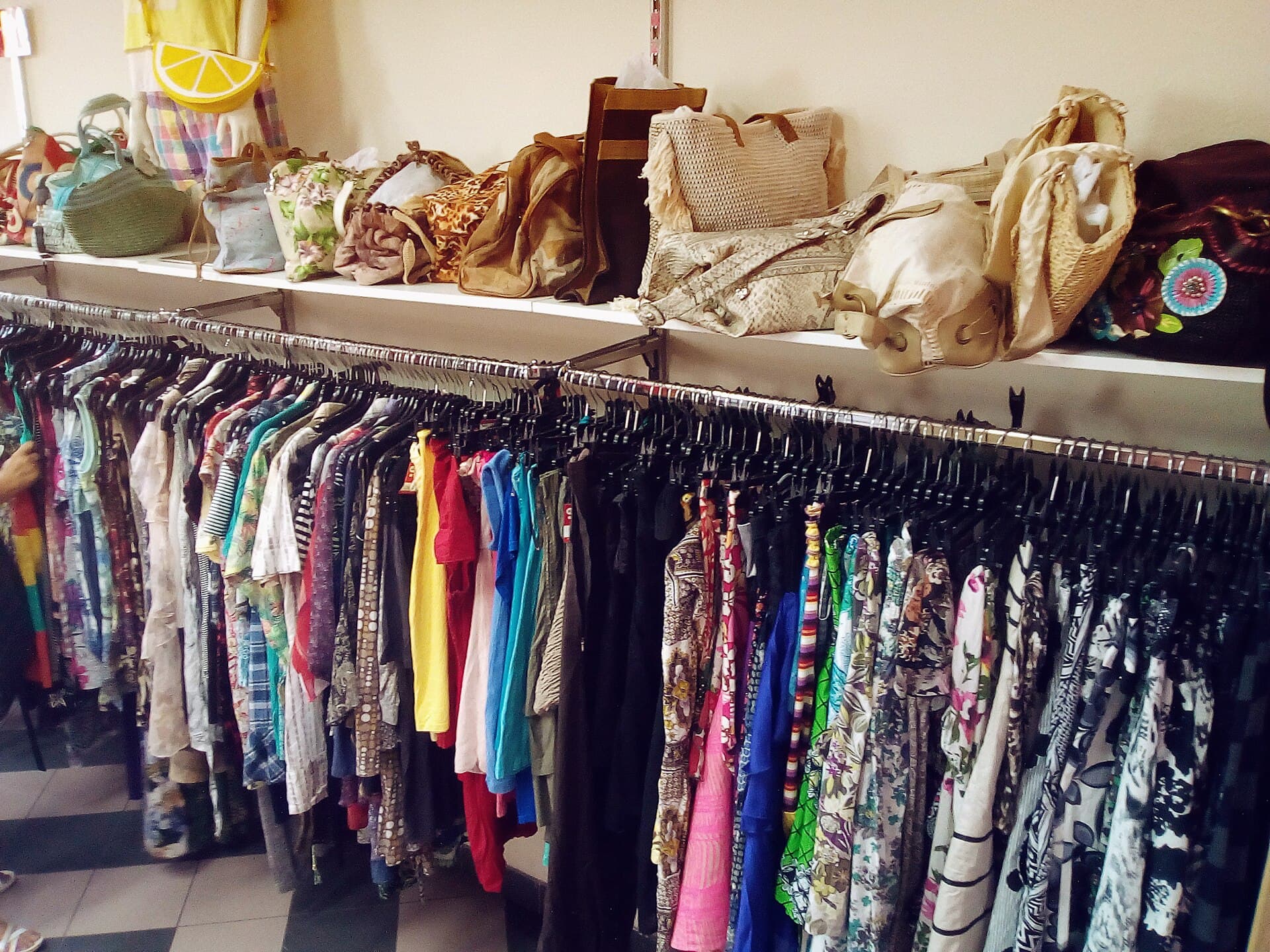
For shoppers tired of flimsy trends and constant micro-hauls, thrift stores offer a slower, smarter way to buy clothes. The real appeal isn’t just saving money—it’s finding pieces that actually deserve closet space.
Why Independent Fashion Labels Need Community More Than Hype
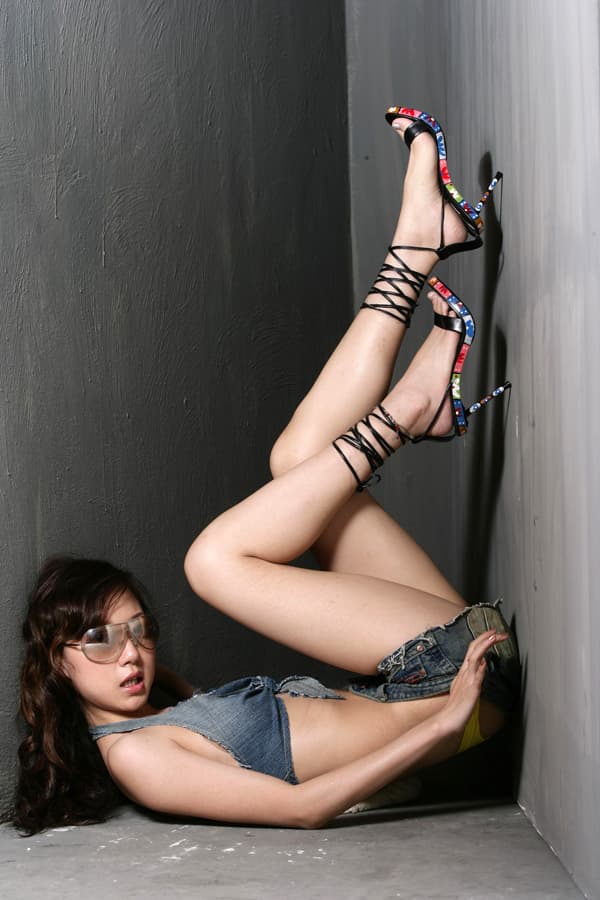
Big fashion headlines can distract from the fragile reality of independent labels. For shoppers, the most meaningful support often looks less like chasing trends and more like showing up for small brands consistently.