How to Make Napa Feel Less Like a Scene and More Like a Weekend Well Spent
Wine country can be fun without turning every tasting into a job interview. A smarter Napa trip leaves room for good bottles, real conversations, and a budget that still makes sense on Monday.
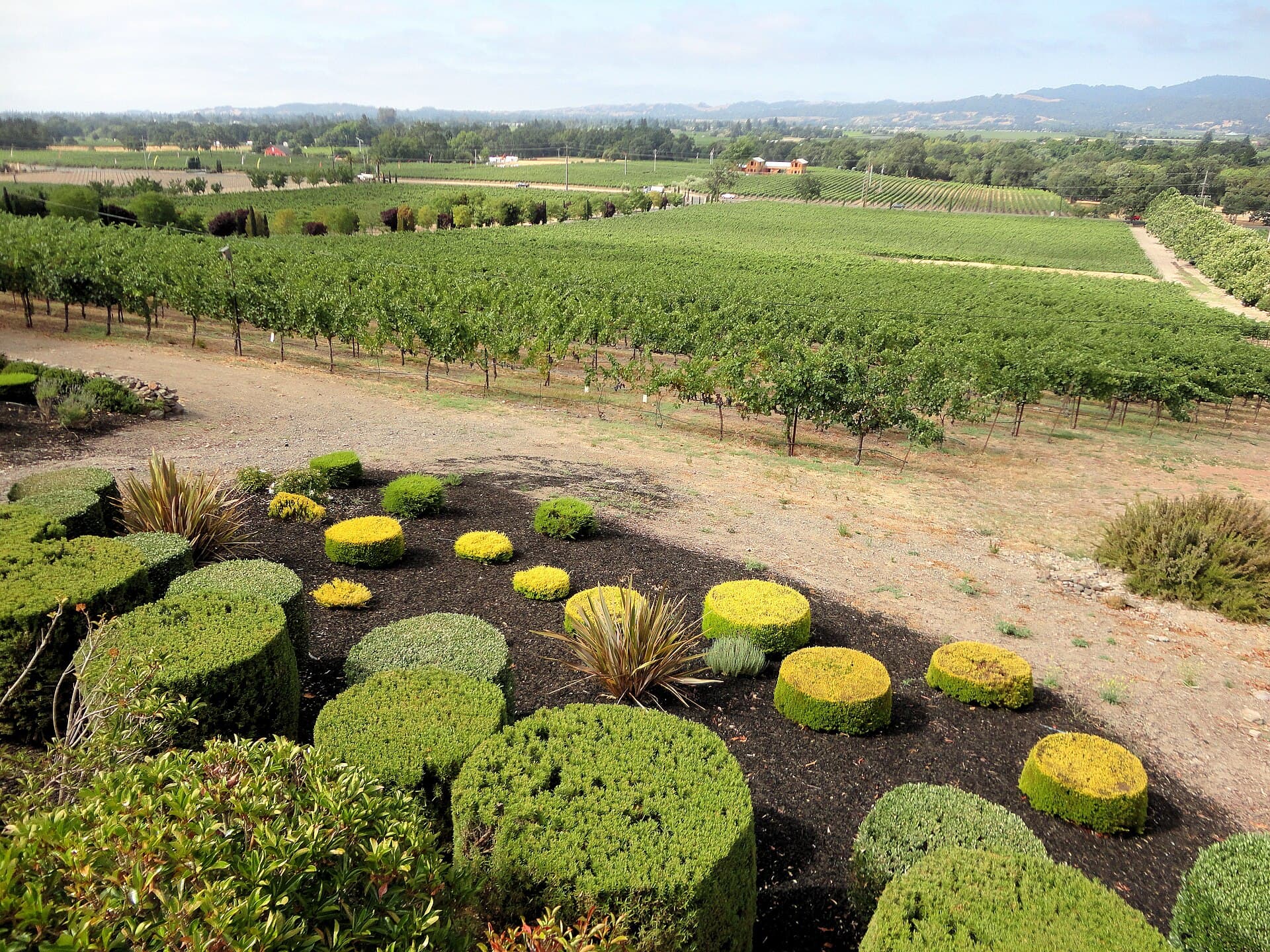
Napa has a way of making every table feel a little strategic. Between tastings, hotel patios, and dinner reservations, it is easy to slip into the idea that every introduction should lead to a contact, an invite, or a future opportunity. That can be useful, but it can also make a beautiful place feel oddly transactional. For most travelers, the better move is to treat Napa less like a networking circuit and more like a setting where good conversation happens naturally when nobody is trying too hard.
If you are going with friends or coworkers, plan around one or two memorable stops instead of stacking the day with back-to-back appointments. The rushed version of wine country is expensive and forgettable. A slower day leaves room to actually notice what you like, talk to the people you came with, and avoid the polished fatigue that hits when every tasting room starts blending together. In a destination built around savoring, overbooking is the easiest way to waste both time and money.
There is also something refreshing about keeping the trip slightly off-script. A casual lunch, a walk through town, or a bottle shared somewhere with a view can do more for the mood than another formal pour. The most enjoyable wine weekends usually come from a mix of structure and spontaneity, not from treating the itinerary like a conference agenda with better scenery. If a connection comes out of that, great. If not, you still had the kind of day people actually hope for when they book wine country.
For US travelers watching their spending, Napa works best when you decide in advance what the trip is really for. If it is celebration, spend on the special tasting and skip the extras. If it is social time, choose places where you can linger instead of chase prestige. Wine country has always sold aspiration, but the smartest version of the experience is simpler: drink something good, talk to interesting people, and leave without feeling like you paid to perform.
Photo: Jim G from Silicon Valley, CA, USA via Wikimedia Commons (CC BY 2.0).
.jpg)
Related stories
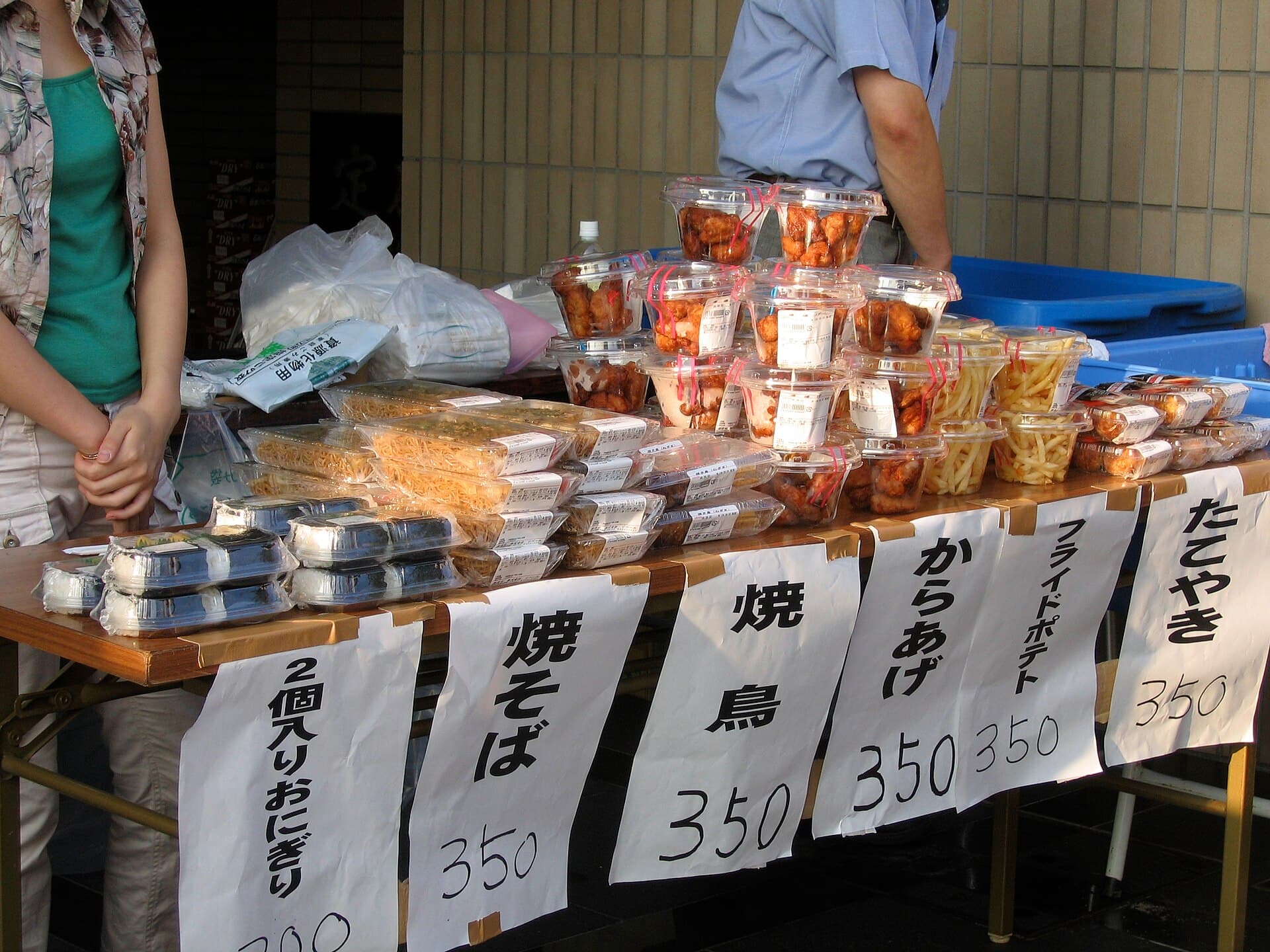
Why Neighborhood Food Festivals Are the Best Way to Try Japanese Cooking
A local Japanese food festival can be a smarter introduction than a pricey restaurant reservation. The best part is the chance to try a wider range of dishes, flavors, and community traditions in one afternoon.
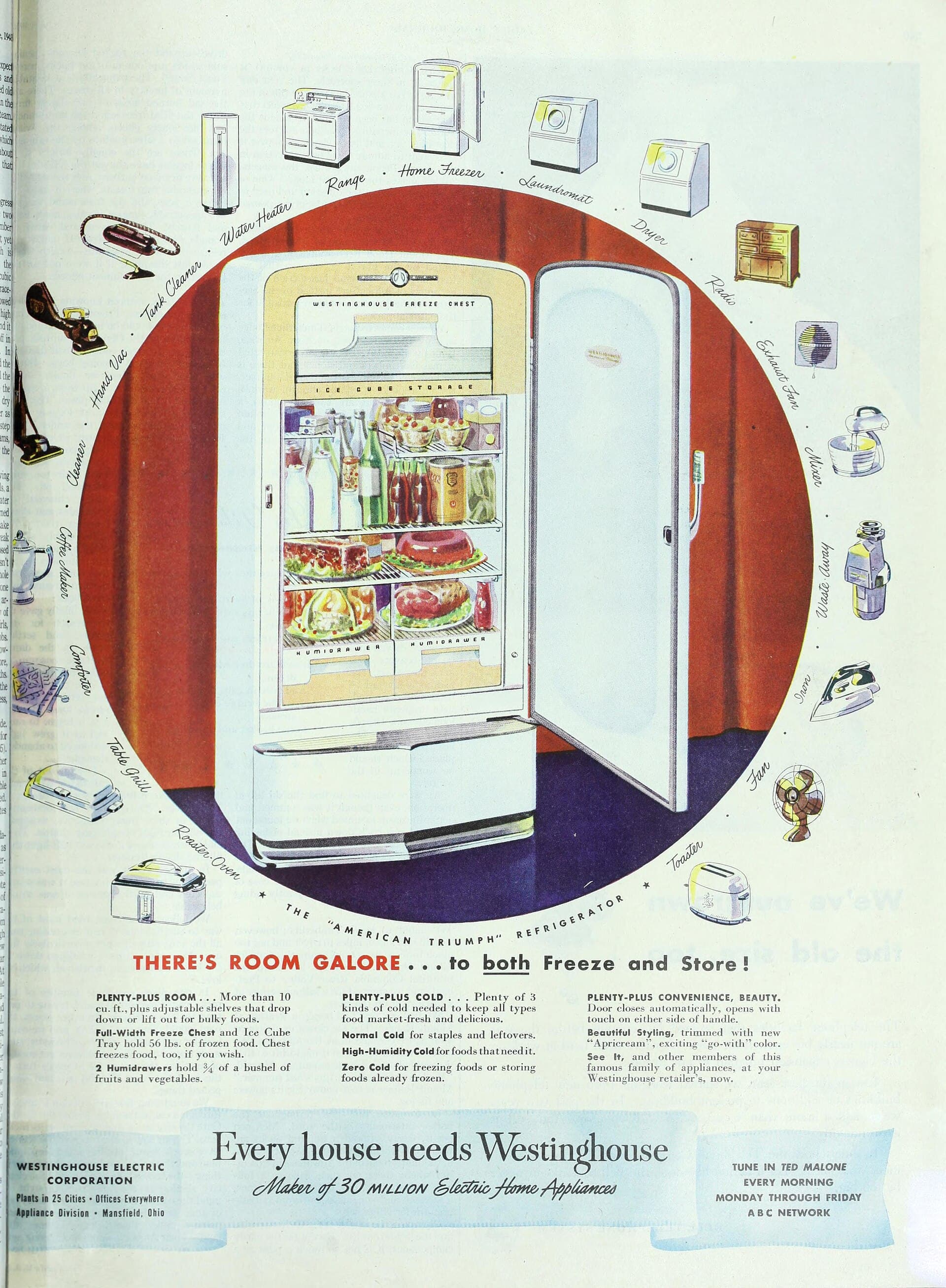
The Cheapest Meal Upgrade Is Learning to Cook What You Already Bought
A smarter kitchen starts before the grocery store and pays off all week. Using what’s already in the fridge can stretch a food budget without making meals feel like leftovers on repeat.
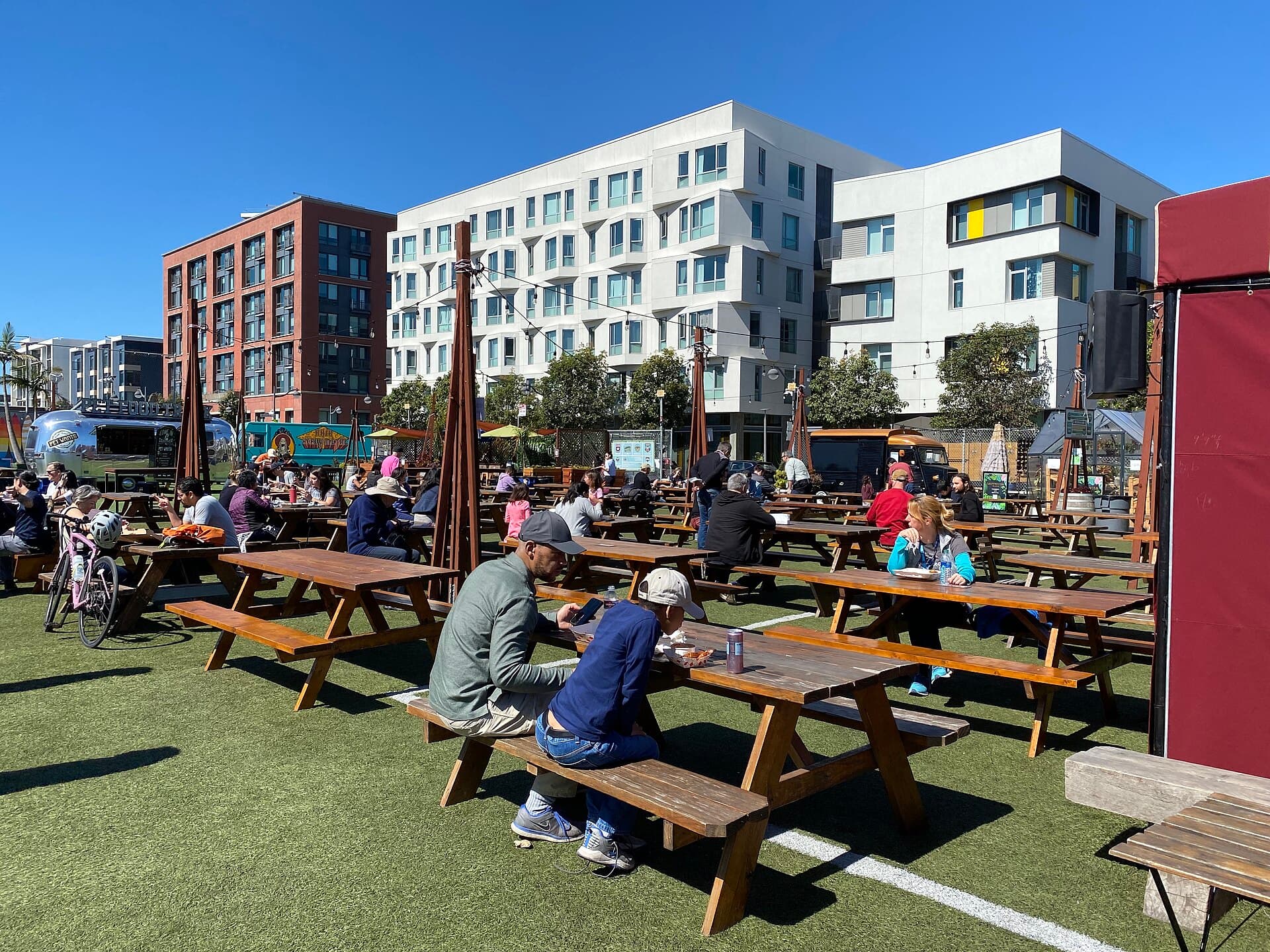
What Diners Should Look For Before Making a Food Truck Park a Regular Stop
When a food truck park becomes the center of online complaints, it’s a reminder that diners should pay attention to more than just the menu photos. A great food stop needs consistency, transparency, and a setup that works for both customers and vendors.