The Case for Keeping a Dutch Oven on the Stove All Season
When the weather cools down, a Dutch oven earns its counter space fast. It makes low-effort meals feel generous, and it turns leftovers, beans, braises, and soups into the kind of cooking that actually fits weeknight life.
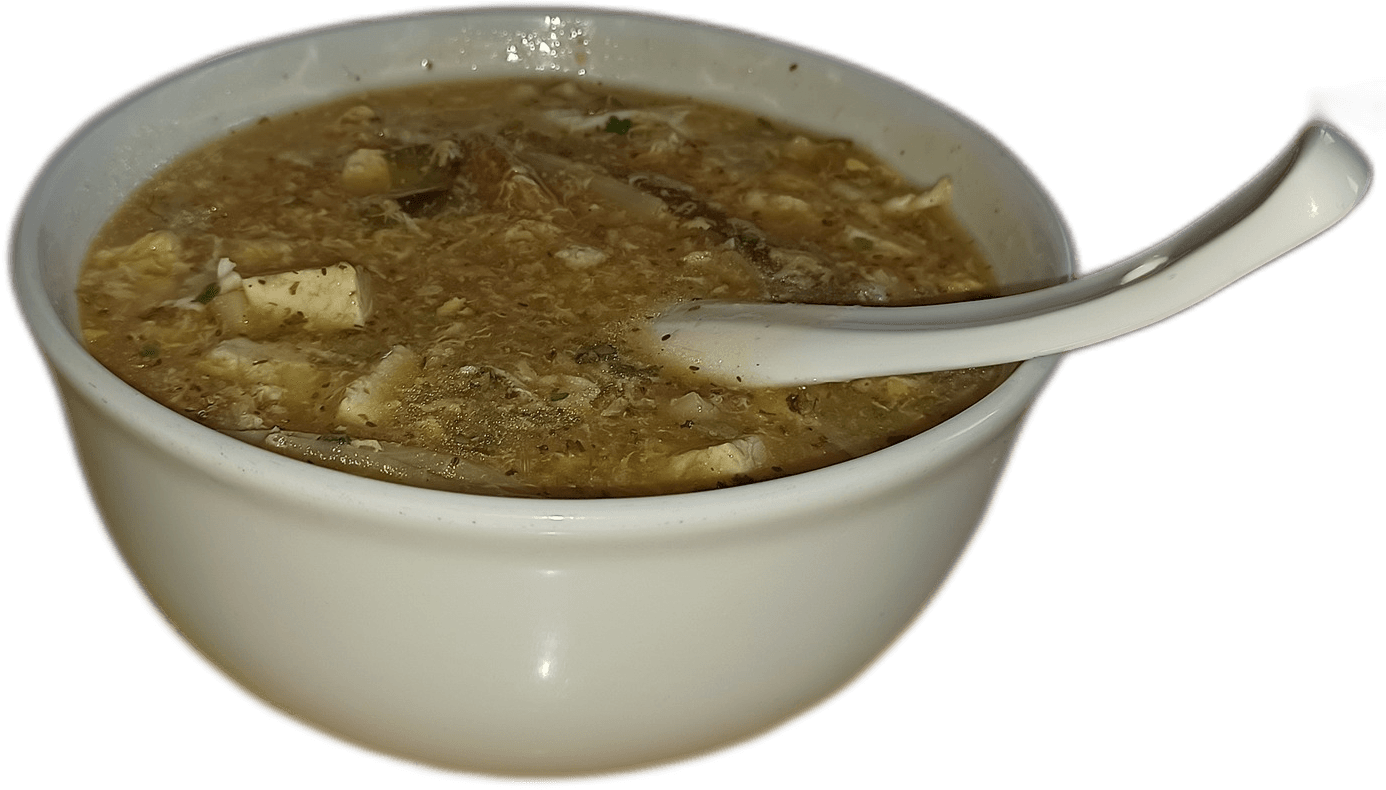
A Dutch oven is one of those rare kitchen pieces that makes home cooking feel easier instead of more complicated. Once the temperature drops, it becomes the pot that handles almost everything people actually want to eat: brothy beans, tomatoey braises, chunky soups, baked pasta, and tender meat that tastes like you spent all day on it. The appeal is less about technique and more about momentum. You can brown, simmer, cover, and finish in one vessel without creating a sink full of regret afterward.
What makes it especially useful for American weeknights is how forgiving it is. A Dutch oven gives onions time to soften properly, lets tougher cuts mellow out, and helps pantry staples turn into dinner with very little babysitting. That matters if you are cooking after work and want something warmer and more satisfying than another sheet-pan meal. Even a simple pot of lentils or chicken thighs feels more substantial when it cooks slowly enough to pick up real flavor.
It is also one of the smartest tools for stretching groceries without making dinner feel austere. Beans, rice, canned tomatoes, root vegetables, sausage, and bone-in chicken all benefit from the steady heat and covered cooking. The result is often better the next day, which means one pot can carry lunch or a second dinner without anyone feeling shortchanged. In a season when people naturally cook more comfort food, that kind of built-in thrift is hard to beat.
If there is a practical cold-weather cooking habit worth stealing, it is not chasing complicated recipes. It is reaching for the heavy pot first and letting it do the work. A Dutch oven rewards patience, but not perfection, and that is exactly why it stays relevant. For cooks who want meals that are cozy, economical, and genuinely doable, it is less a specialty item than a winter survival strategy.
Photo: NeoBatfreak via Wikimedia Commons (CC BY-SA 4.0).
.png)
Related stories
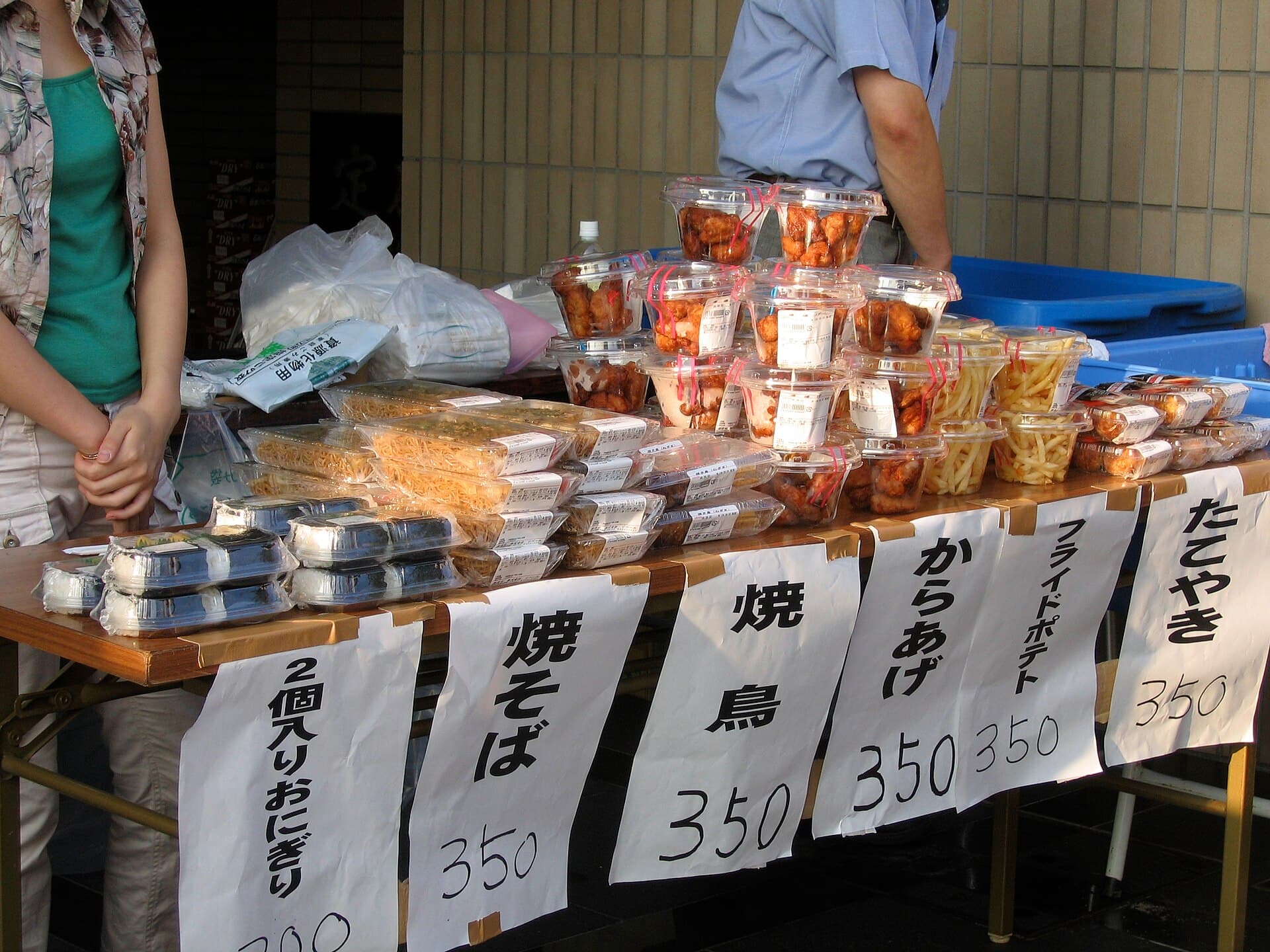
Why Neighborhood Food Festivals Are the Best Way to Try Japanese Cooking
A local Japanese food festival can be a smarter introduction than a pricey restaurant reservation. The best part is the chance to try a wider range of dishes, flavors, and community traditions in one afternoon.
The Cheapest Meal Upgrade Is Learning to Cook What You Already Bought
A smarter kitchen starts before the grocery store and pays off all week. Using what’s already in the fridge can stretch a food budget without making meals feel like leftovers on repeat.

What Diners Should Look For Before Making a Food Truck Park a Regular Stop
When a food truck park becomes the center of online complaints, it’s a reminder that diners should pay attention to more than just the menu photos. A great food stop needs consistency, transparency, and a setup that works for both customers and vendors.