Museum-Worthy Style Starts With Better Clothes Language
Big fashion moments can feel distant, but they’re also a reminder that most of us shop better when we know how to describe what we actually like. A sharper style vocabulary leads to smarter apparel buys and fewer closet regrets.
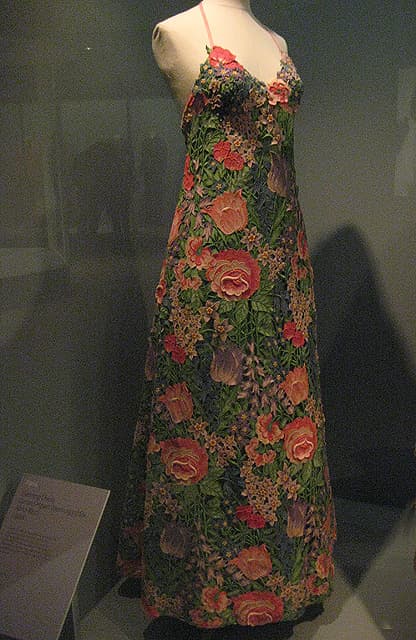
When fashion gets the museum treatment, it can seem like it belongs to curators, collectors, and people who never miss a gallery opening. But the most useful takeaway for regular shoppers is much simpler: the more precisely you can describe clothing, the better you can buy it. Knowing the difference between structured and draped, cropped and boxy, matte and lustrous, can save you from ordering pieces that looked right online but feel wrong the second they arrive.
paragraphs like “I need more basics” are usually too vague to help anyone build a wardrobe. What actually moves the needle is identifying the silhouette, texture, and mood you reach for over and over. Maybe you don’t want “work pants” so much as high-rise wide-leg trousers in a fabric with enough weight to hold shape. Maybe your version of a useful jacket is not a blazer, but a chore coat or a clean zip-front layer that works with denim and dresses alike. That kind of clarity turns style from impulse shopping into pattern recognition.
This is also why apparel shopping feels more satisfying when you ignore trend labels and pay attention to clothing construction. A striking piece does not have to be loud to feel expressive. Seaming, proportion, fabric finish, and fit often do more for personal style than whatever color is having a big month online. If a garment gives you a stronger shoulder line, a longer leg, or a cleaner overall shape, that matters more than whether it fits into a viral aesthetic.
For US shoppers trying to spend more carefully, developing a better clothes vocabulary is one of the cheapest style upgrades available. It helps with resale searches, secondhand browsing, tailoring requests, and even dressing-room decisions. You don’t need a museum budget or insider access to dress with intention. You just need sharper words for what you already know looks good on you.
Photo: Zorba the Geek via Wikimedia Commons (CC BY-SA 2.0).

Related stories
The Best Trend in Fashion Right Now Is Looking Unbothered
The most wearable runway idea this season isn’t a single item—it’s the return of clothes that look lived in, easy, and ready for an actual day. For shoppers, that means buying less fantasy and more pieces that earn repeat wear.
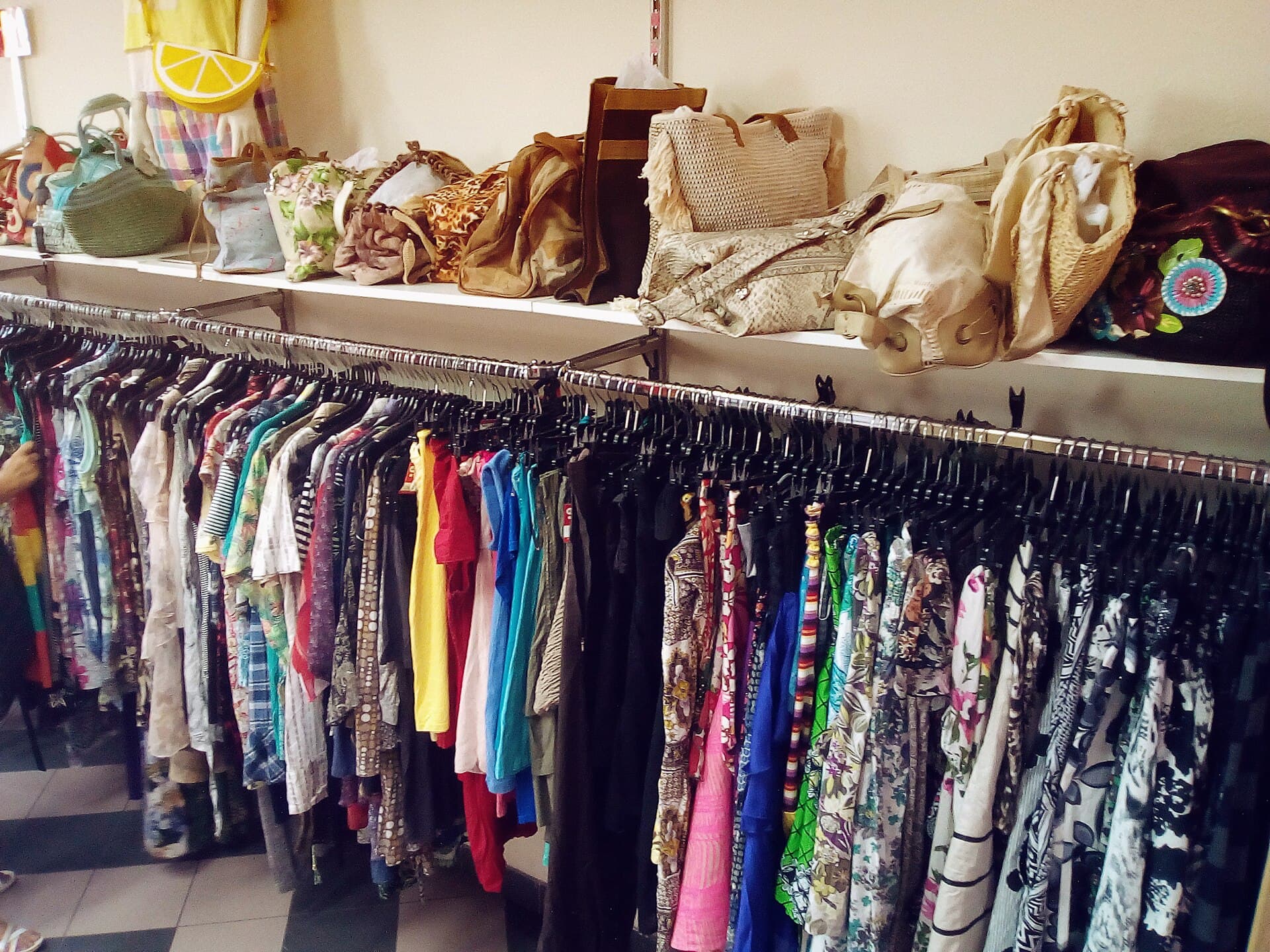
The Best Closet Upgrade Might Be Someone Else’s Return Pile
For shoppers tired of flimsy trends and constant micro-hauls, thrift stores offer a slower, smarter way to buy clothes. The real appeal isn’t just saving money—it’s finding pieces that actually deserve closet space.

Why Independent Fashion Labels Need Community More Than Hype
Big fashion headlines can distract from the fragile reality of independent labels. For shoppers, the most meaningful support often looks less like chasing trends and more like showing up for small brands consistently.