Why Neighborhood Wine Spots Feel Like the New Third Place
A well-run wine bar can be more than a place to order a glass—it can become the kind of easy, repeatable outing cities need more of. New hospitality concepts work best when they make wine feel welcoming instead of performative.
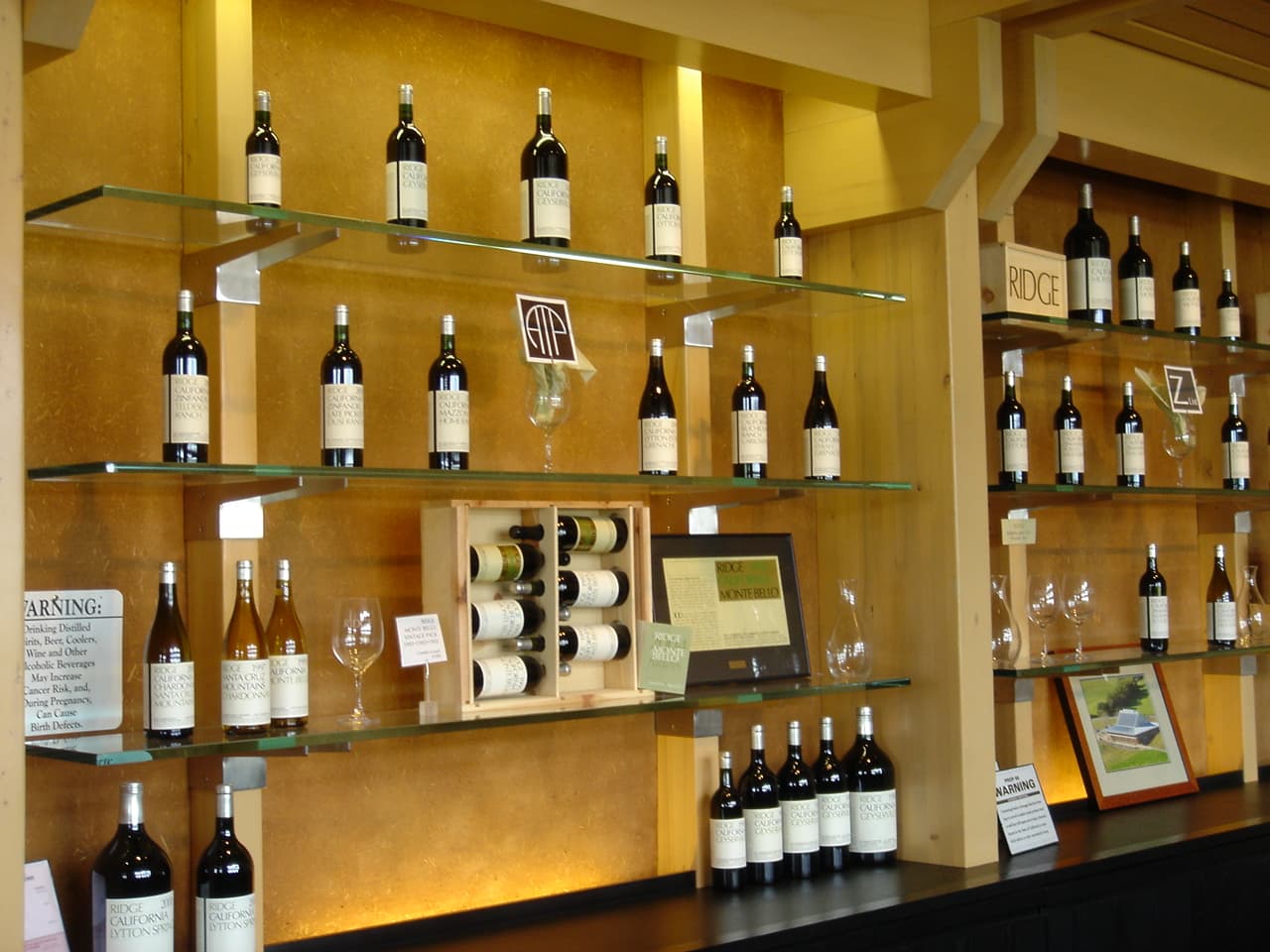
When a new wine-and-hospitality concept opens, the real question isn’t whether the list is impressive. It’s whether the place gives people a reason to come back on an ordinary weeknight. The best spots understand that wine is only half the draw; the other half is comfort, conversation, and a room that doesn’t make you feel like you need a certification to order a glass.
That matters because a lot of Americans want a going-out option that lands somewhere between a loud bar and a formal dinner reservation. A casual wine destination can fill that gap beautifully if it gets the basics right: approachable staff, a by-the-glass program that invites experimentation, and food that works for lingering instead of rushing people through a table turn. In that setup, hospitality becomes the product as much as the bottle.
For diners, this kind of opening is also a reminder to look beyond the special-occasion mindset. You don’t need to know regions, vintages, or tasting notes by heart to enjoy a smart wine program. In fact, the most useful test of any new place is simple: can a curious but non-expert walk in, ask for help, and leave feeling like they discovered something instead of being sold a performance? If yes, that’s a place with staying power.
There’s a broader cultural appeal here too. Neighborhood wine spots can become modern third places—somewhere to meet friends, decompress after work, or have one good glass with a small plate instead of committing to a big night out. In a dining landscape crowded with gimmicks, a thoughtful room, a strong pour, and genuinely warm service still sound like a pretty good deal.
Photo: ayako from Tokyo, Japan via Wikimedia Commons (CC BY 2.0).

Related stories
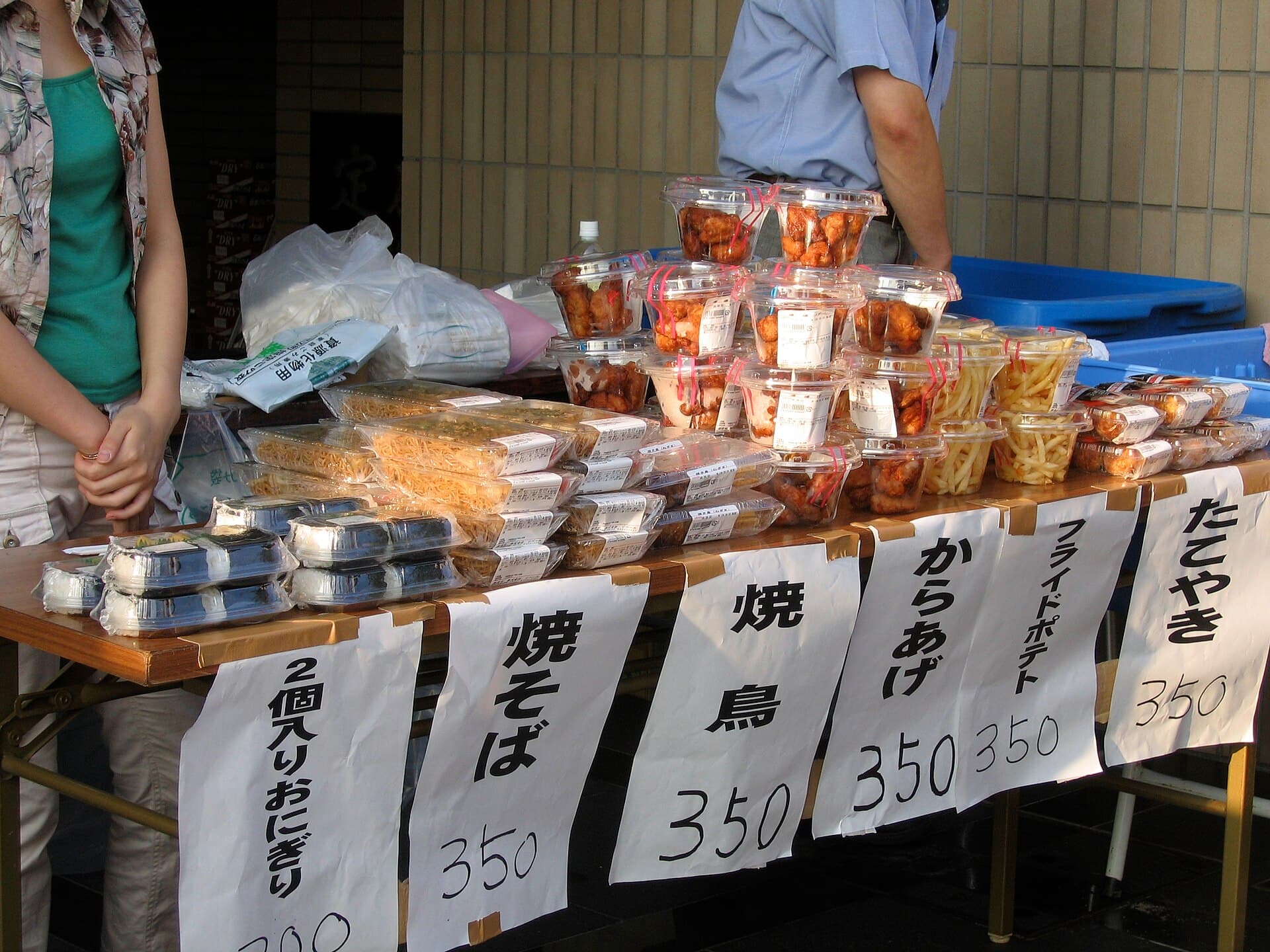
Why Neighborhood Food Festivals Are the Best Way to Try Japanese Cooking
A local Japanese food festival can be a smarter introduction than a pricey restaurant reservation. The best part is the chance to try a wider range of dishes, flavors, and community traditions in one afternoon.
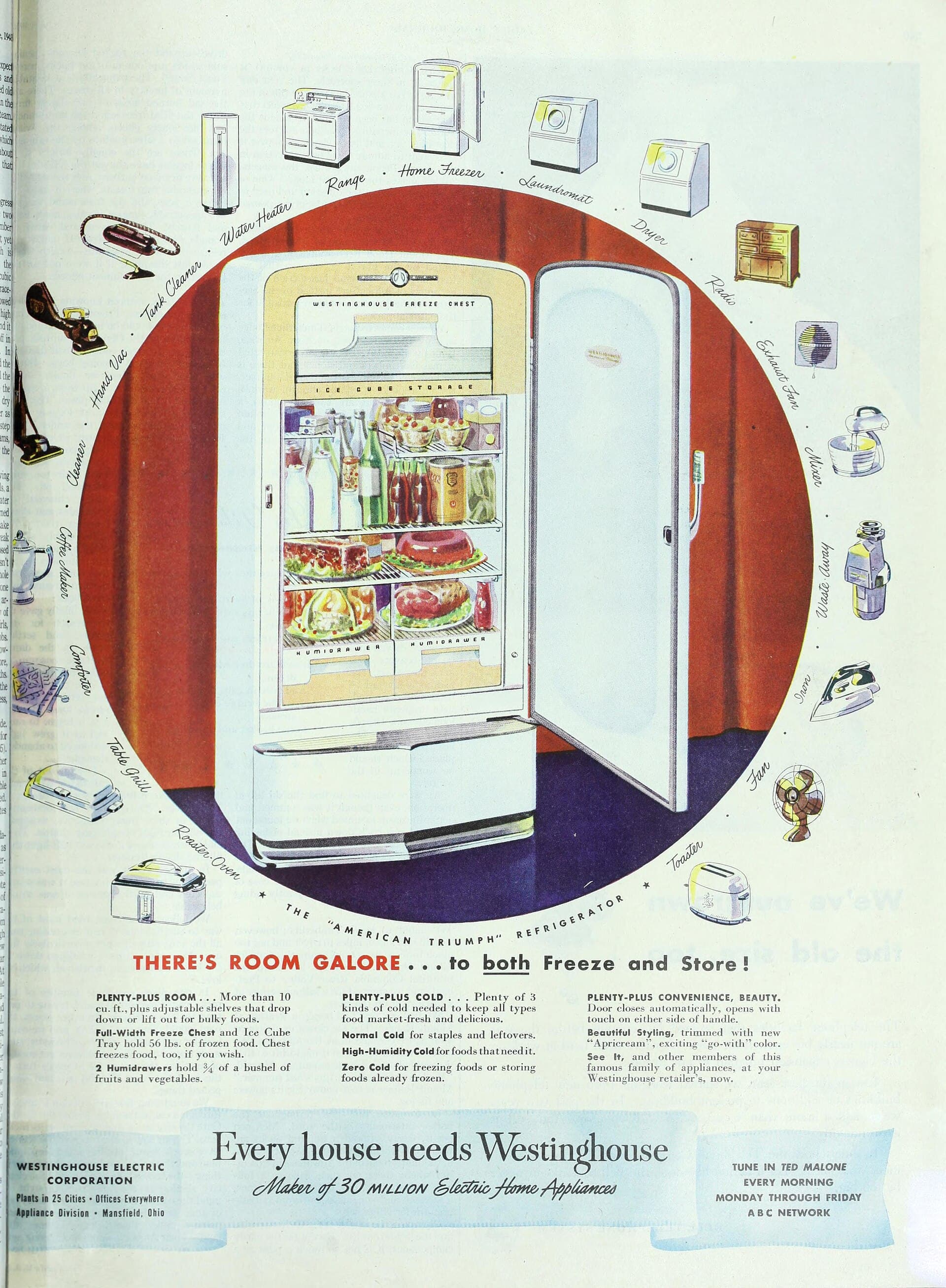
The Cheapest Meal Upgrade Is Learning to Cook What You Already Bought
A smarter kitchen starts before the grocery store and pays off all week. Using what’s already in the fridge can stretch a food budget without making meals feel like leftovers on repeat.
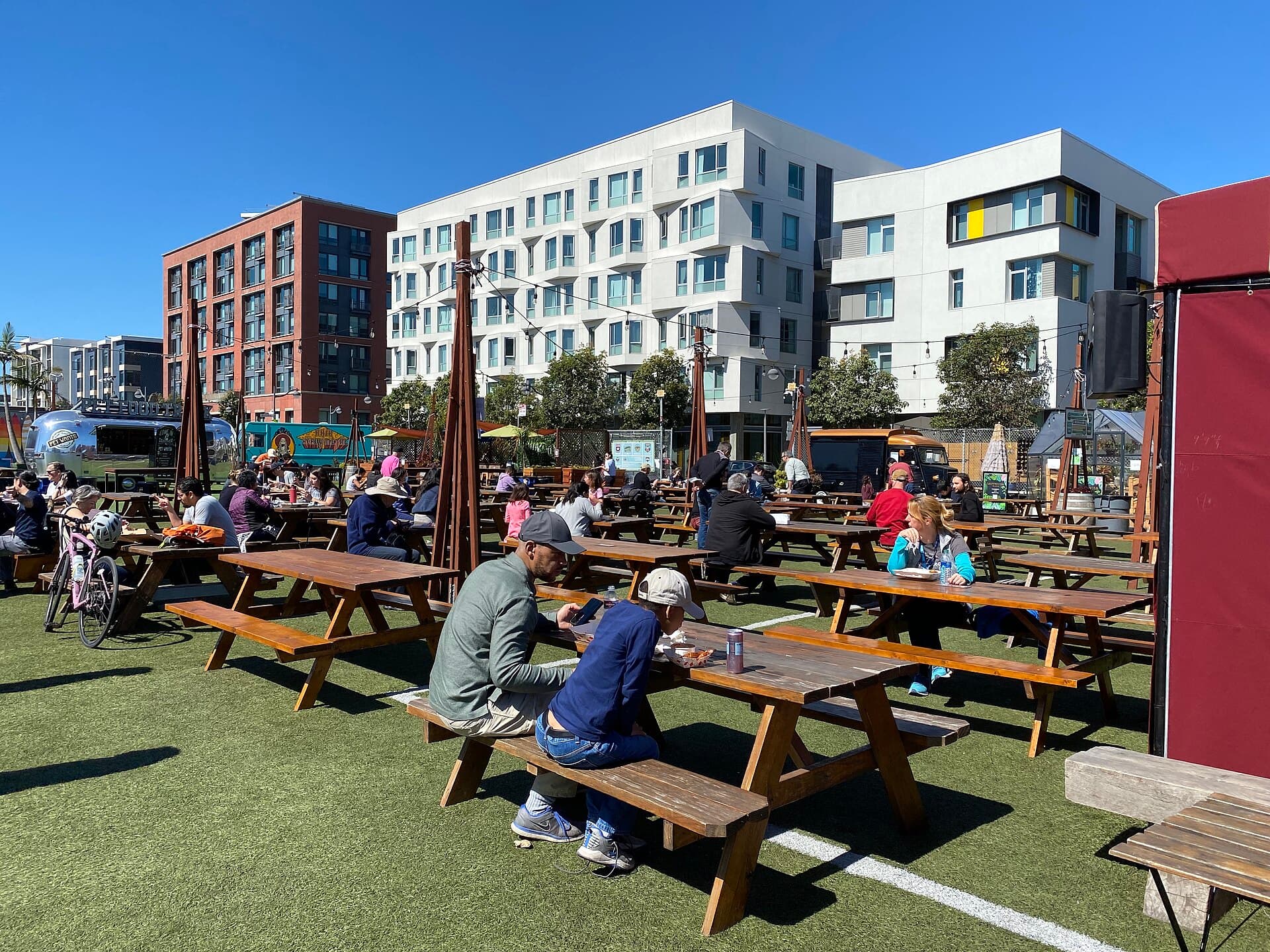
What Diners Should Look For Before Making a Food Truck Park a Regular Stop
When a food truck park becomes the center of online complaints, it’s a reminder that diners should pay attention to more than just the menu photos. A great food stop needs consistency, transparency, and a setup that works for both customers and vendors.