Why Old-School Neighborhood Restaurants Still Beat the Algorithm
When a family-run spot lasts for decades, it usually means it’s doing something trend-proof: feeding people well, consistently, and without much fuss. For diners, that kind of staying power is often the best recommendation money can’t buy.
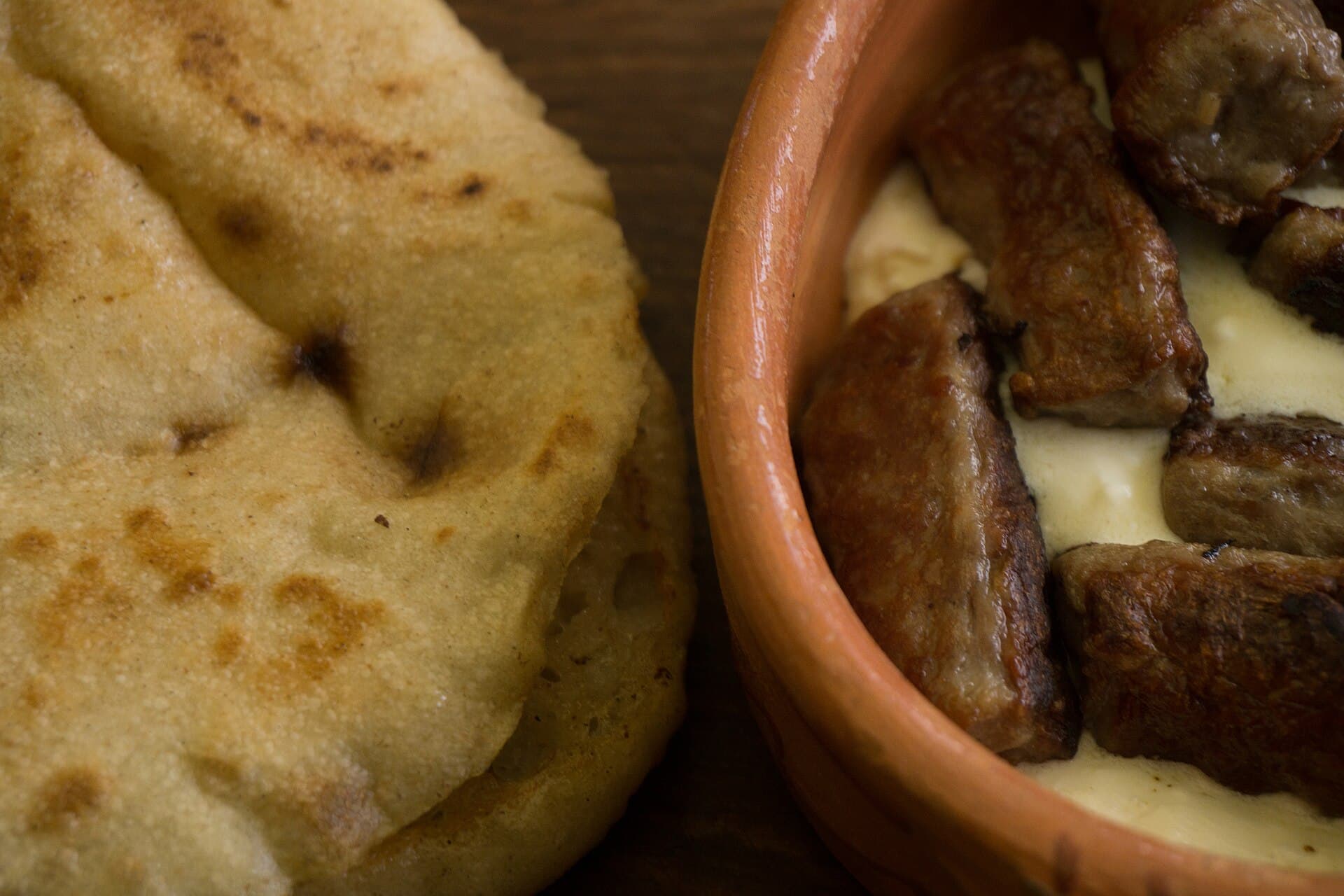
There’s something reassuring about a restaurant that has been serving the same community for years without chasing every food trend that rolls through Instagram. In a time when diners are constantly nudged toward the newest opening, the smartest meal out is often at the place that already knows exactly what it is. Longevity in the restaurant business usually points to a harder-to-fake quality than hype: people come back because the food satisfies, the portions make sense, and the experience feels reliable.
That matters even more with regional comfort food, where the appeal is depth rather than novelty. Balkan cooking, with its grilled meats, breads, stews, and unfussy hospitality, is a good example of cuisine that rewards diners willing to order beyond whatever is currently fashionable. These are the kinds of meals that feel generous rather than performative, and for anyone tired of tiny plates with big branding, that alone can be a draw.
For budget-conscious diners, older neighborhood restaurants also tend to offer a different kind of value. Not necessarily cheap, but grounded: straightforward menus, shareable dishes, and meals built for actual hunger. A place that has lasted this long usually understands its regulars, which often means less gimmickry and a better chance that your dinner will feel worth the trip.
If you’re trying to eat more adventurously without gambling on style over substance, look for the restaurant that has quietly outlived multiple dining fads. The practical rule is simple: when a local institution keeps its tables filled year after year, it’s probably serving something more important than novelty. It’s serving a reason to come back.
Photo: Sumit Surai via Wikimedia Commons (CC BY-SA 4.0).

Related stories
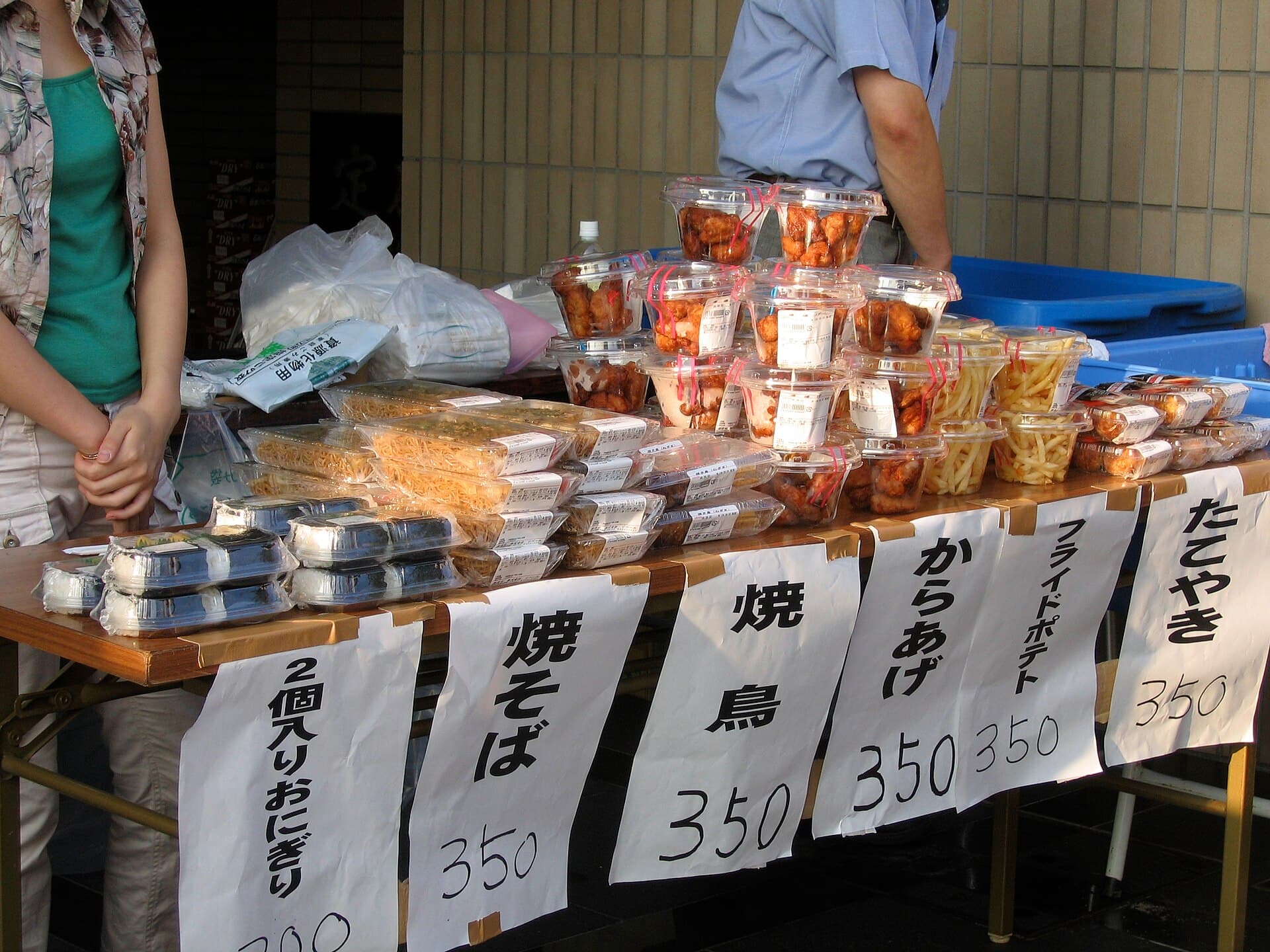
Why Neighborhood Food Festivals Are the Best Way to Try Japanese Cooking
A local Japanese food festival can be a smarter introduction than a pricey restaurant reservation. The best part is the chance to try a wider range of dishes, flavors, and community traditions in one afternoon.
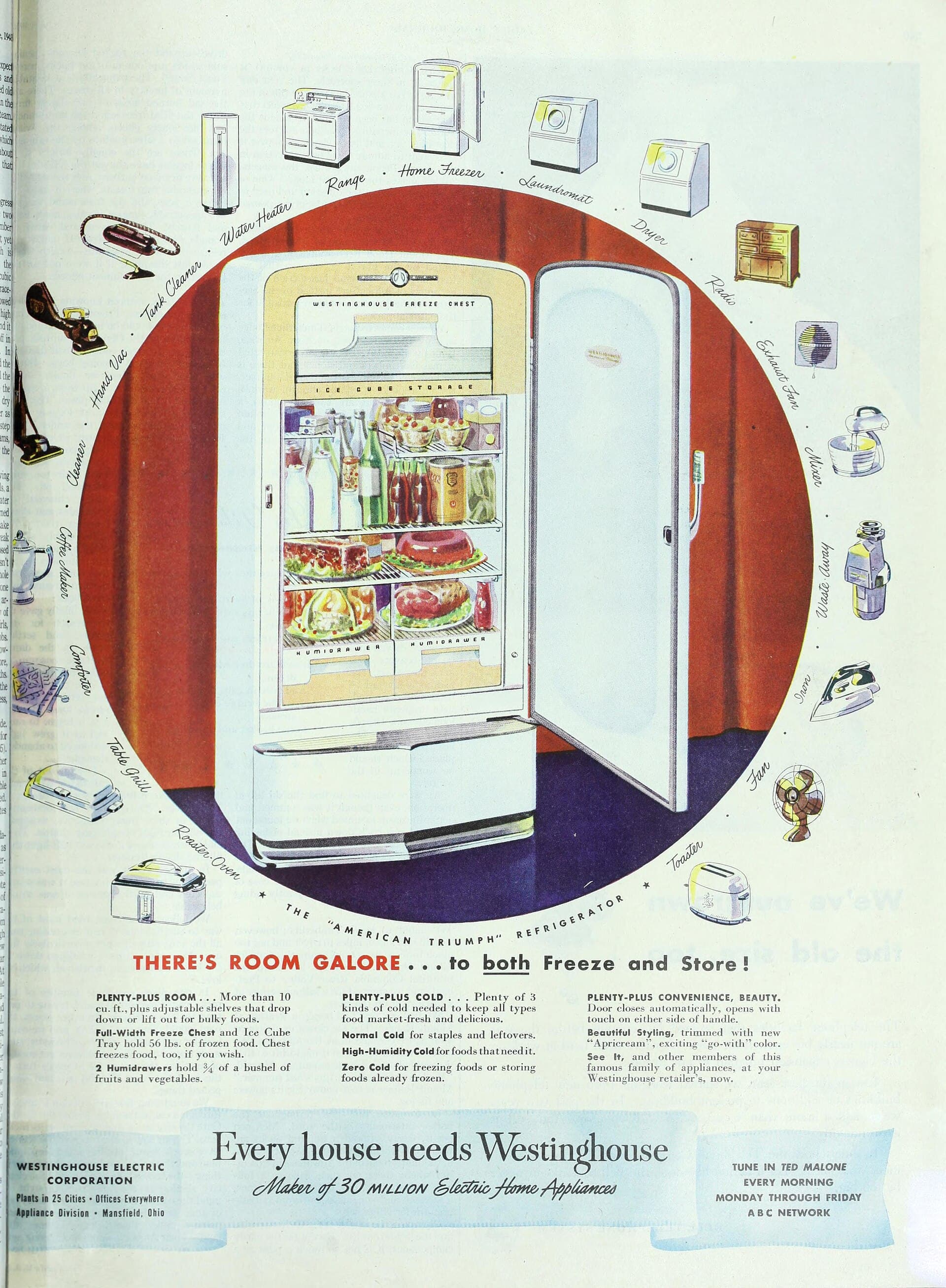
The Cheapest Meal Upgrade Is Learning to Cook What You Already Bought
A smarter kitchen starts before the grocery store and pays off all week. Using what’s already in the fridge can stretch a food budget without making meals feel like leftovers on repeat.
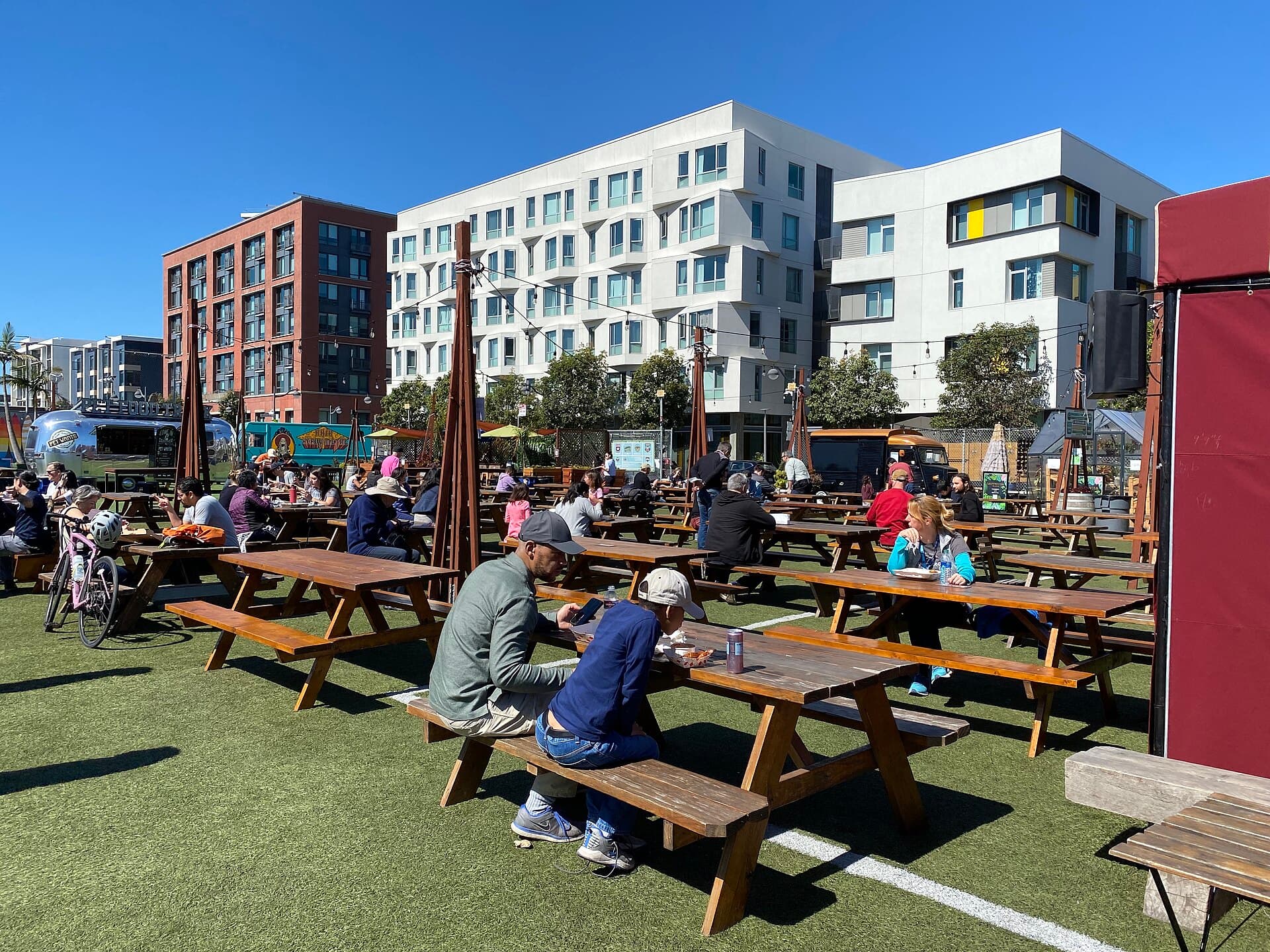
What Diners Should Look For Before Making a Food Truck Park a Regular Stop
When a food truck park becomes the center of online complaints, it’s a reminder that diners should pay attention to more than just the menu photos. A great food stop needs consistency, transparency, and a setup that works for both customers and vendors.