Why More Families Are Treating the Pantry Like Part of the Monthly Grocery Plan
When food budgets get tight, community pantries are becoming part of how many households make it through the month. The bigger lesson for shoppers is that meal planning, staples, and less stigma around asking for help matter more than any trendy grocery hack.

A record demand at a regional food bank is a reminder that food stress is no longer something people imagine happens only in extreme emergencies. For plenty of households, the problem is simpler and more relentless: the cart costs more, the paycheck doesn’t stretch, and one surprise bill can turn a normal grocery trip into a math problem. That reality has pushed food pantries into the role of regular support, not just last-resort charity.
There’s a practical lesson here for anyone trying to keep a kitchen running on a budget. The most reliable money-savers are still the least glamorous ones: planning a few repeat meals, keeping flexible staples like rice, pasta, beans, oats, eggs, and frozen vegetables around, and using meat more like a component than the center of every dinner. Shoppers often get distracted by one-off deals, but the real savings usually come from building meals around what is already in the pantry and what can stretch into tomorrow’s lunch.
It’s also worth being more honest about what assistance looks like now. A community pantry can be the difference between buying fresh produce this week or settling for whatever is cheapest and most filling. For working families, seniors, and people caring for kids, that support can preserve time, dignity, and a little breathing room. Treating food assistance like a normal part of community infrastructure, rather than a source of shame, is probably one of the healthier shifts in American life.
If there’s an editorial takeaway, it’s that food resilience starts locally and personally at the same time. Strong food banks matter, but so do neighborly habits like sharing extras, cooking in batches, and donating the kinds of shelf-stable foods people can actually turn into dinner. In expensive times, the smartest food culture isn’t about gourmet thrift. It’s about making sure more people can eat well enough, often enough, without every meal feeling like a financial compromise.
Photo: U.S. Air Force 100ARWPA by Senior Airman Alexandria Lee via Wikimedia Commons (Public domain).
.jpg)
Related stories
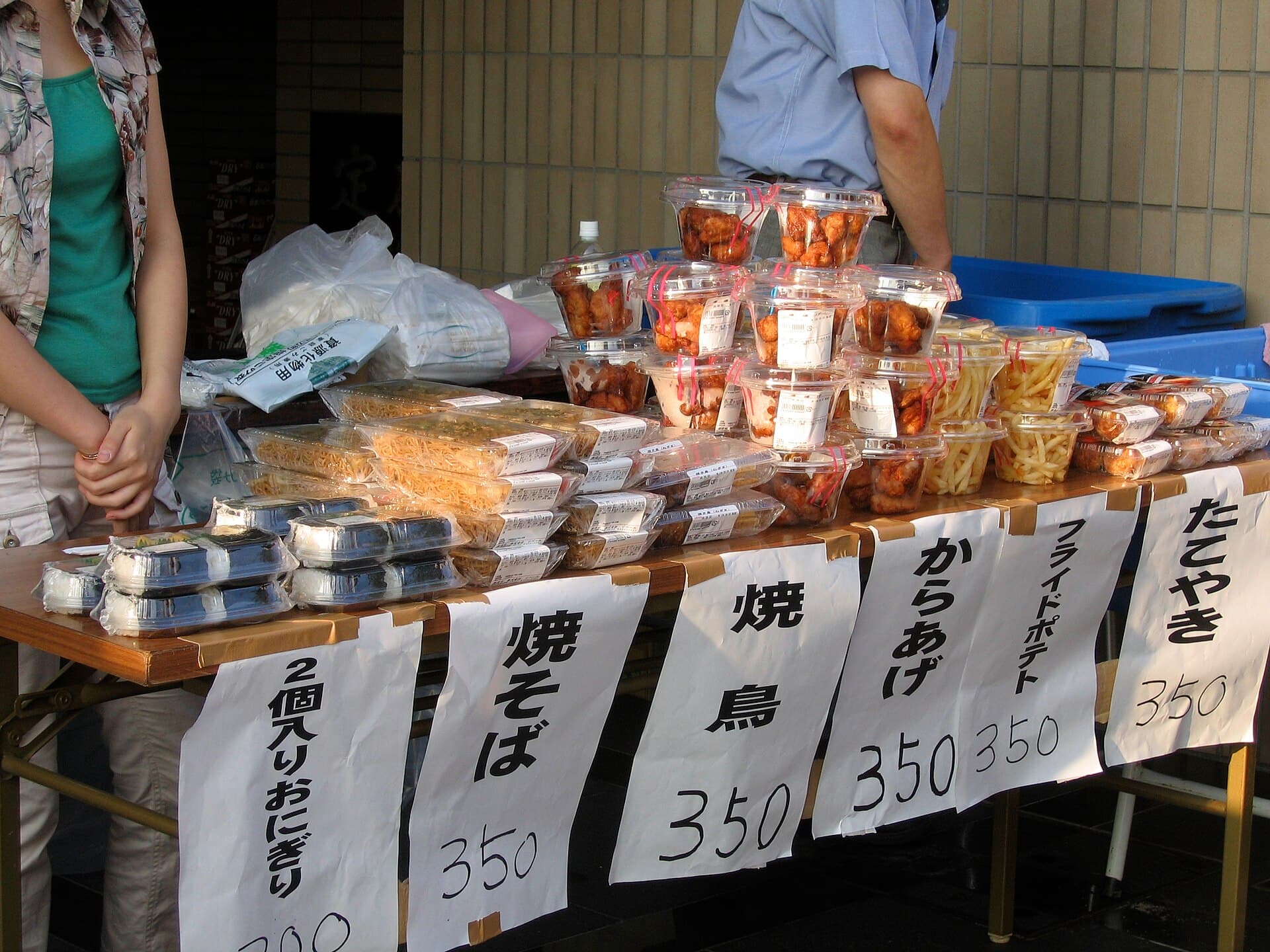
Why Neighborhood Food Festivals Are the Best Way to Try Japanese Cooking
A local Japanese food festival can be a smarter introduction than a pricey restaurant reservation. The best part is the chance to try a wider range of dishes, flavors, and community traditions in one afternoon.
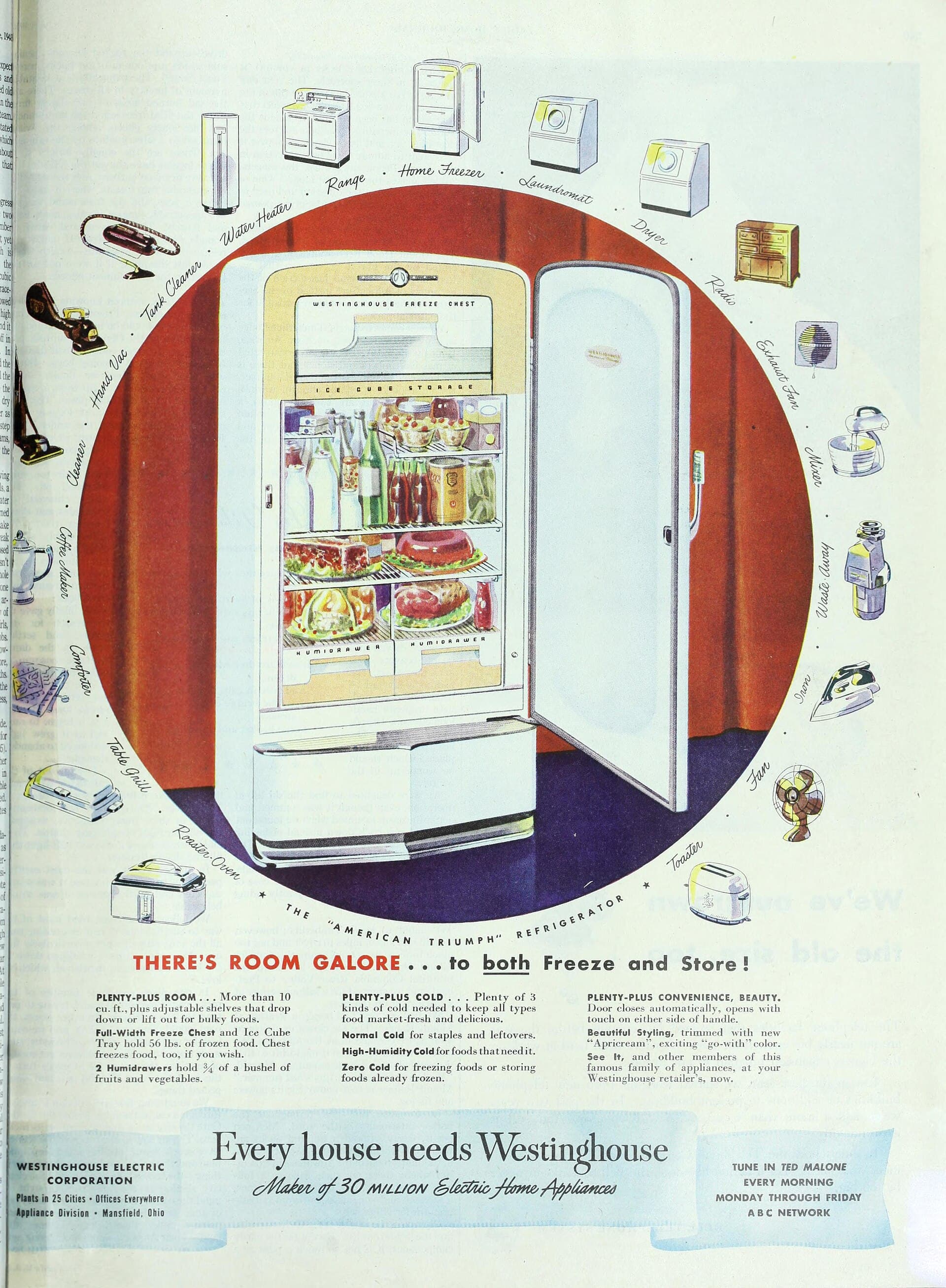
The Cheapest Meal Upgrade Is Learning to Cook What You Already Bought
A smarter kitchen starts before the grocery store and pays off all week. Using what’s already in the fridge can stretch a food budget without making meals feel like leftovers on repeat.

What Diners Should Look For Before Making a Food Truck Park a Regular Stop
When a food truck park becomes the center of online complaints, it’s a reminder that diners should pay attention to more than just the menu photos. A great food stop needs consistency, transparency, and a setup that works for both customers and vendors.