What a Political Recipe Test Really Reveals About Weeknight Cooking
Celebrity and campaign-adjacent recipes can be entertaining, but the real test is whether they fit an ordinary kitchen. Trying one is less about the personality behind it and more about what it teaches you about time, ingredients, and common-sense substitutions.
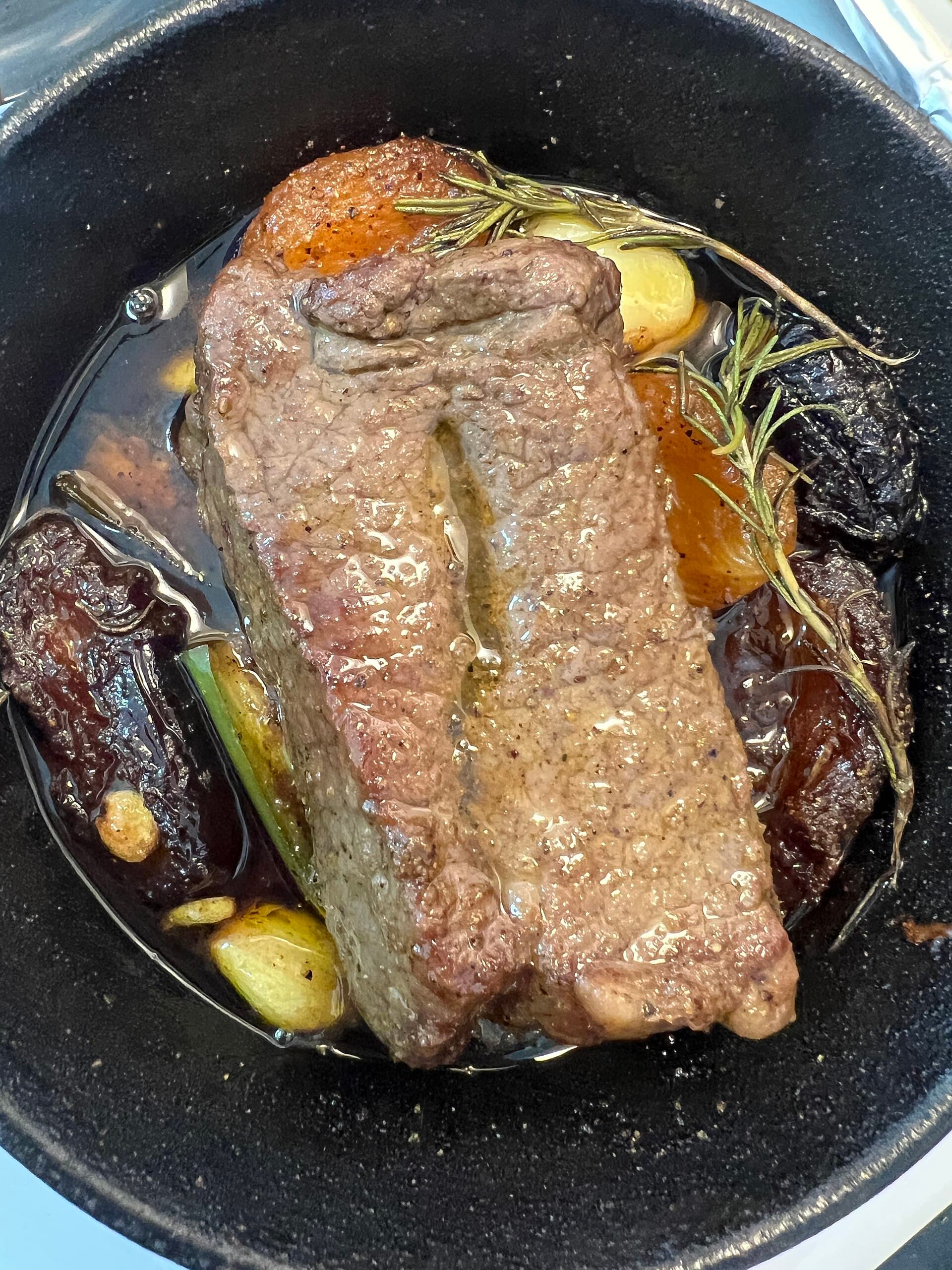
There’s a particular kind of curiosity that comes with cooking a recipe attached to a public figure. You want to see whether it’s actually practical, not just whether it makes a good segment. That’s the useful part of these viral food moments: they give home cooks a reason to ask the questions that matter on a busy night, like how many pans this uses, whether the ingredients are easy to find, and what happens if you skip the fussy step.
For most Americans, the difference between a recipe that gets made once and one that enters rotation is friction. If a dish depends on specialty items, lots of cleanup, or timing that only works when you’re fully focused, it’s probably better as content than dinner. A recipe can still be flavorful and interesting without turning your kitchen into a test lab. That’s why the smartest way to approach any buzzed-about dish is to read it like a shopper first and a cook second.
The more helpful lesson from trying a high-profile recipe is usually about adaptation. Maybe the seasoning needs a heavier hand, maybe the texture improves with less liquid, or maybe a simpler store-bought swap gets you 90 percent of the way there. That’s not cheating; that’s how real people cook. Unless a recipe is for baking, most savory dishes benefit from a little skepticism and a willingness to adjust for your stove, your budget, and your tolerance for extra effort.
Food media often rewards novelty, but home kitchens reward repeatability. If a recipe leaves you with one good meal and no desire to make it again, it may have succeeded as entertainment and failed as dinner. The best takeaway from any personality-driven cooking trend is not whether the famous person seems convincing on camera. It’s whether the dish taught you a shortcut, a technique, or a flavor pairing worth keeping after the headlines move on.
Photo: HaJunkiyada via Wikimedia Commons (CC BY-SA 4.0).

Related stories
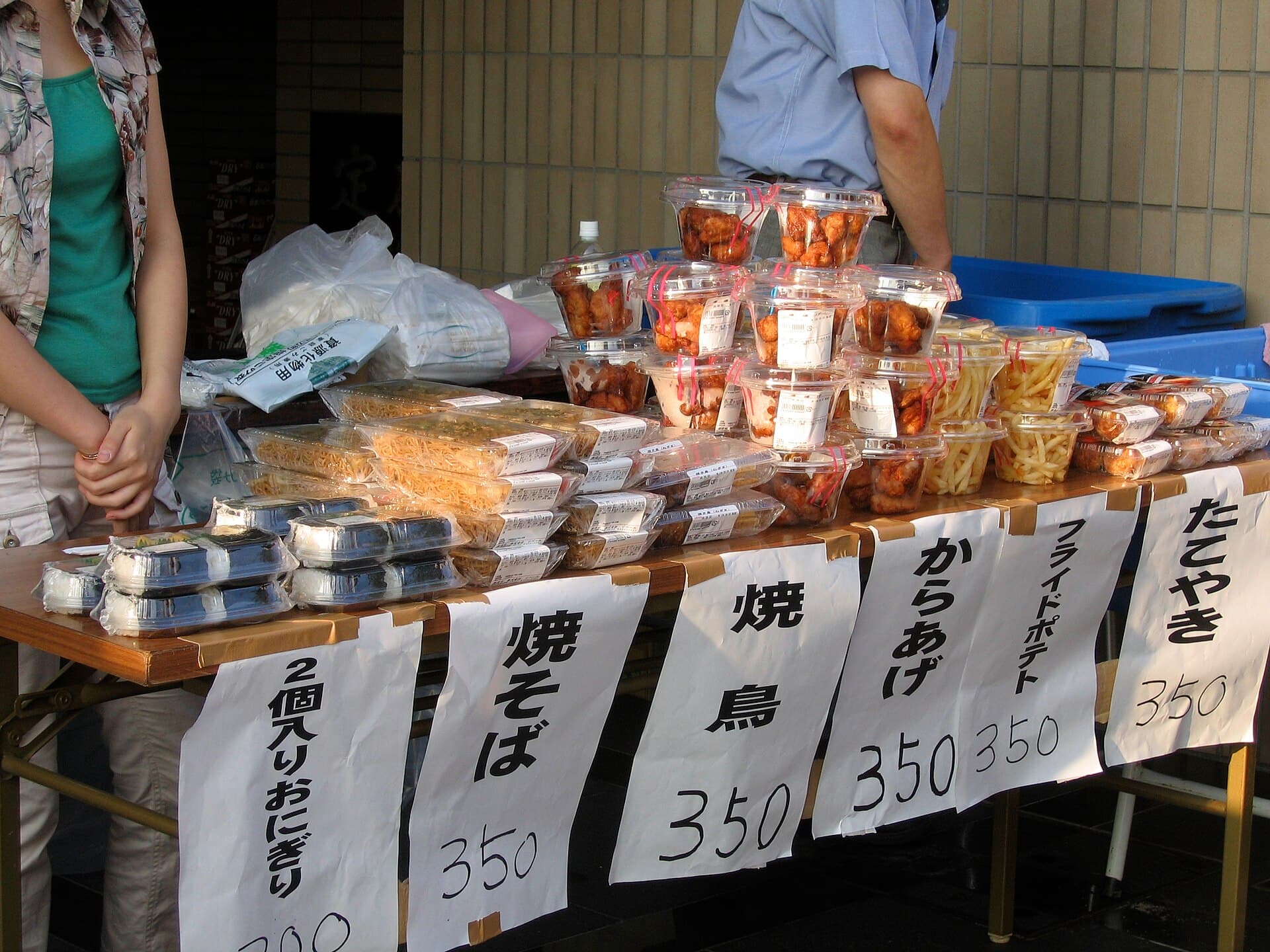
Why Neighborhood Food Festivals Are the Best Way to Try Japanese Cooking
A local Japanese food festival can be a smarter introduction than a pricey restaurant reservation. The best part is the chance to try a wider range of dishes, flavors, and community traditions in one afternoon.
The Cheapest Meal Upgrade Is Learning to Cook What You Already Bought
A smarter kitchen starts before the grocery store and pays off all week. Using what’s already in the fridge can stretch a food budget without making meals feel like leftovers on repeat.

What Diners Should Look For Before Making a Food Truck Park a Regular Stop
When a food truck park becomes the center of online complaints, it’s a reminder that diners should pay attention to more than just the menu photos. A great food stop needs consistency, transparency, and a setup that works for both customers and vendors.