Why a Quiet Dining Room Doesn’t Always Mean a Restaurant Is in Trouble
Early crowds can be misleading, especially when a restaurant is introducing unfamiliar flavors or a different way to eat. Sometimes the better clue is whether a place knows exactly what it wants to serve and keeps doing it well.
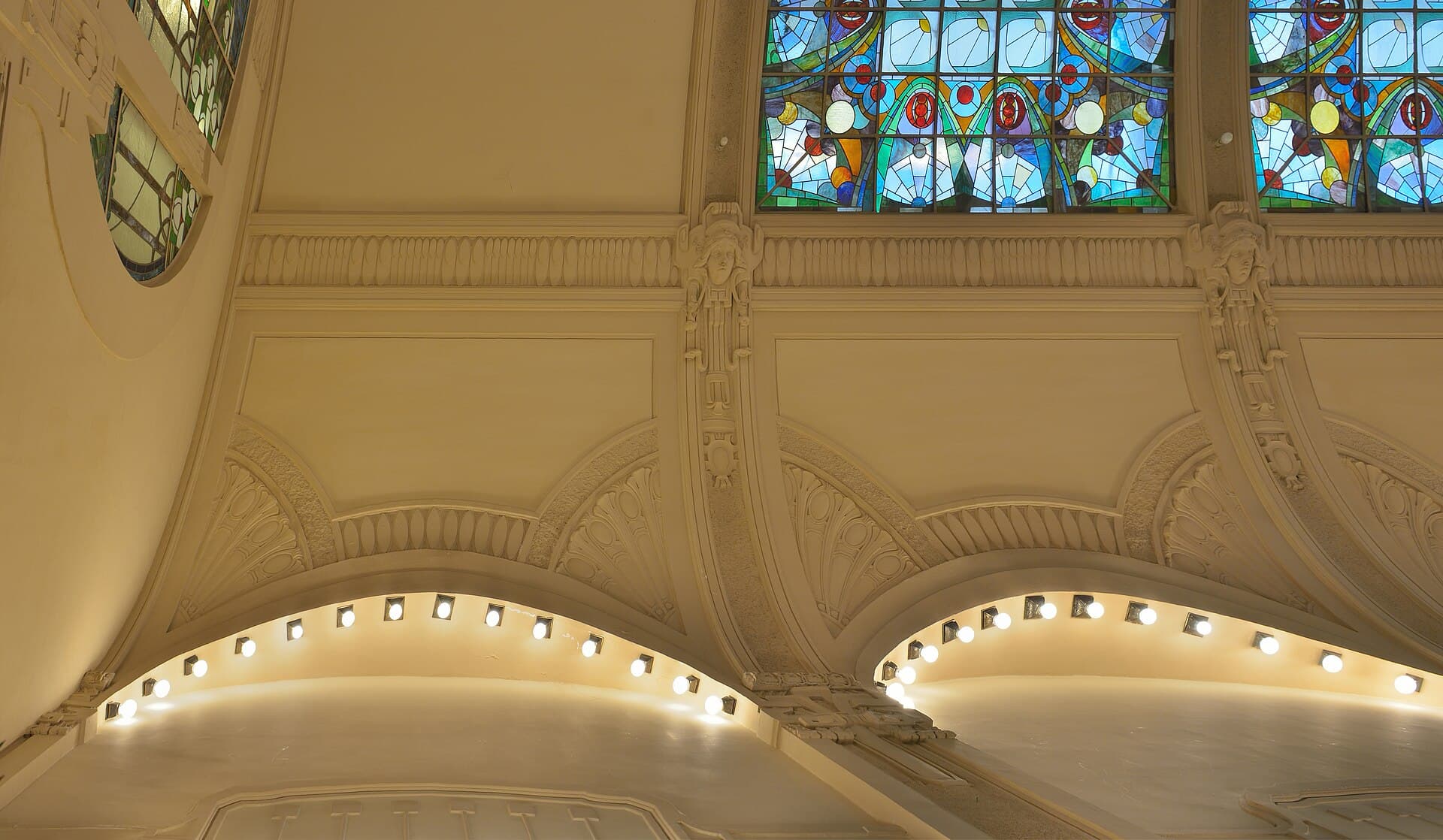
Americans are trained to treat a busy restaurant like a seal of approval. If the host stand is packed and the reservation app is impossible, we assume the food must be worth it. But plenty of great places start with half-full tables, confused first-timers, or diners who expected one thing and got another. A quiet room can signal trouble, but it can also mean a restaurant is ahead of local habits.
paragraphs like this matter most in food cities where diners say they want originality but still reward familiarity. The places that last often aren’t the ones chasing the broadest possible audience on day one. They’re the ones with a clear point of view, a menu that actually means something, and enough discipline not to sand off every edge for nervous newcomers. That can be uncomfortable at first, especially when a regional cuisine or a more traditional preparation asks guests to meet it halfway.
For diners, there’s a practical takeaway here: don’t judge a restaurant solely by opening-week buzz or an empty table at 6:30. Read the menu before you go. Notice whether the dishes feel thoughtful rather than generic. If a place seems committed to doing something specific instead of serving a little bit of everything, that’s often a better long-term sign than a temporary crowd. Some of the best meals are found in restaurants that haven’t yet been fully validated by the algorithm.
For restaurant owners, the lesson is less romantic but just as useful. Not every customer who walks out is your customer, and not every slow start is a verdict. If the cooking is strong and the concept is coherent, patience can matter as much as promotion. Diners eventually catch up to restaurants that know who they are.
Photo: This Photo was taken by Wolfgang Moroder. Feel free to use my photos, but please mention me as the author and send me a message. This image is not in the public domain. Please respect the copyright protection. It may only be used according to the rules mentioned here. This specifically excludes use in social media, if applicable terms of the licenses listed here not appropriate. Please do not upload an updated image here without consultation with the Author. The author would like to make corrections only at his own source. This ensures that the changes are preserved.Please if you think that any changes should be required, please inform the author.Otherwise you can upload a new image with a new name. Please use one of the templates derivative or extract. via Wikimedia Commons (CC BY-SA 3.0).

Related stories
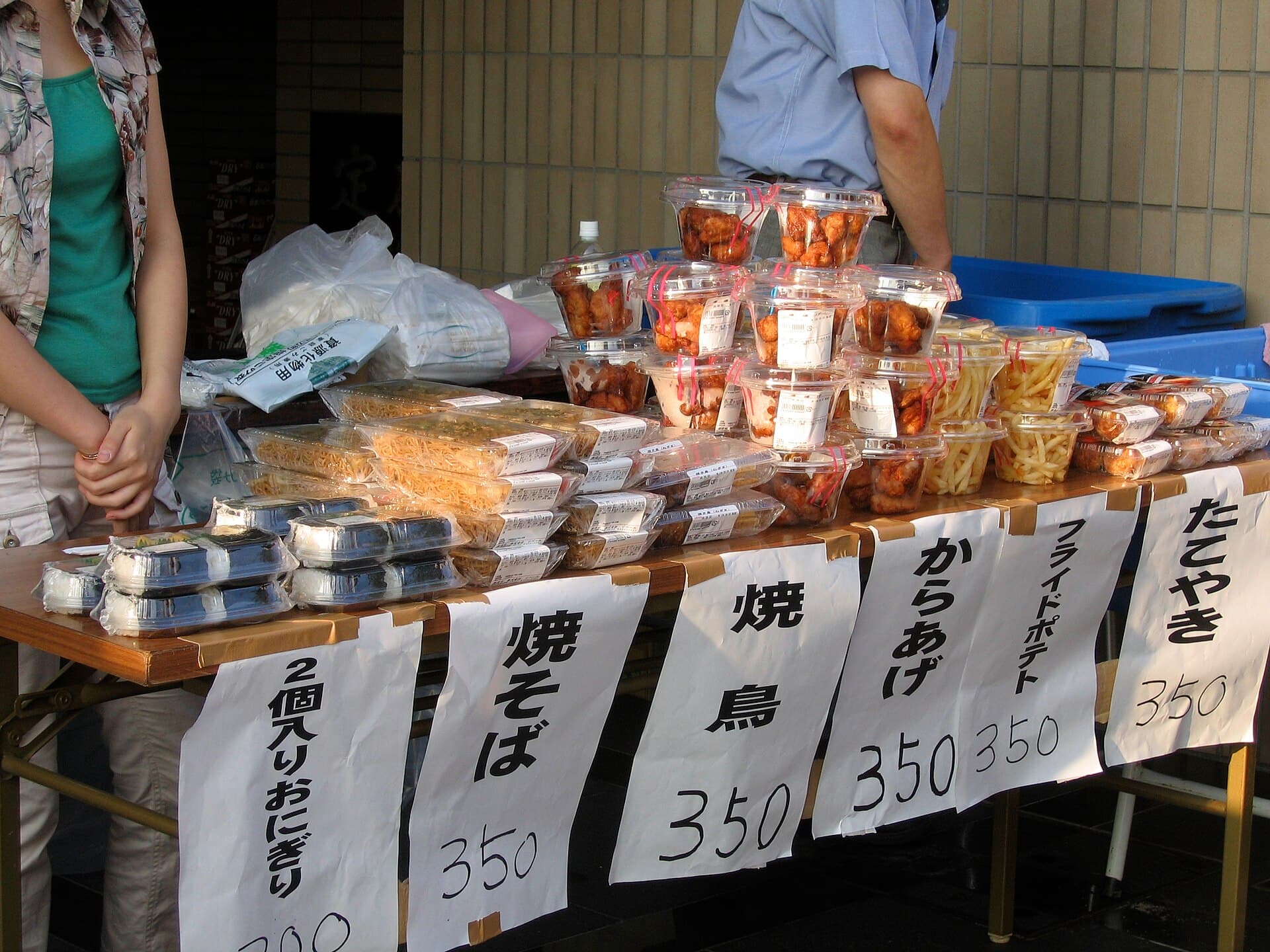
Why Neighborhood Food Festivals Are the Best Way to Try Japanese Cooking
A local Japanese food festival can be a smarter introduction than a pricey restaurant reservation. The best part is the chance to try a wider range of dishes, flavors, and community traditions in one afternoon.
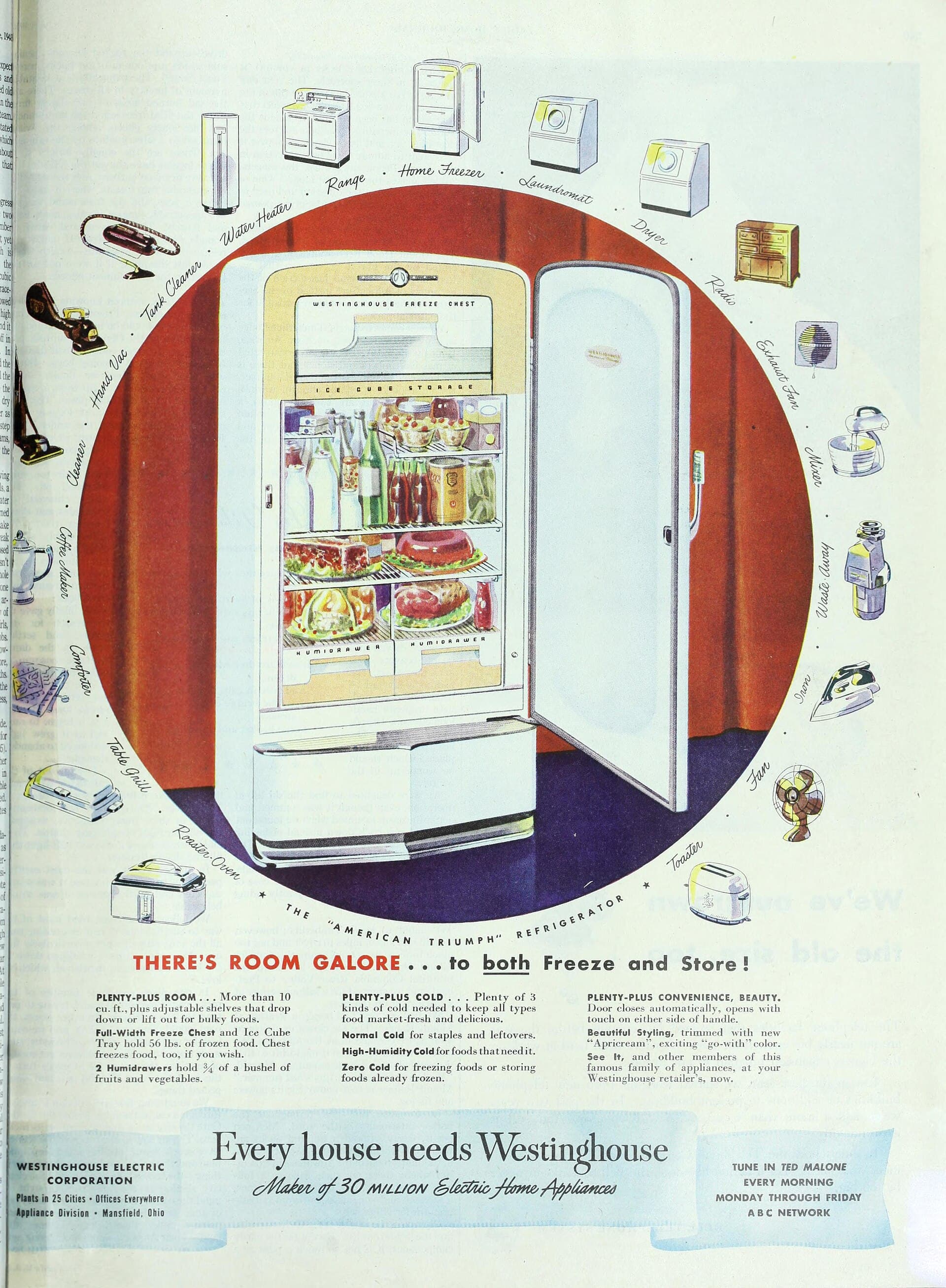
The Cheapest Meal Upgrade Is Learning to Cook What You Already Bought
A smarter kitchen starts before the grocery store and pays off all week. Using what’s already in the fridge can stretch a food budget without making meals feel like leftovers on repeat.
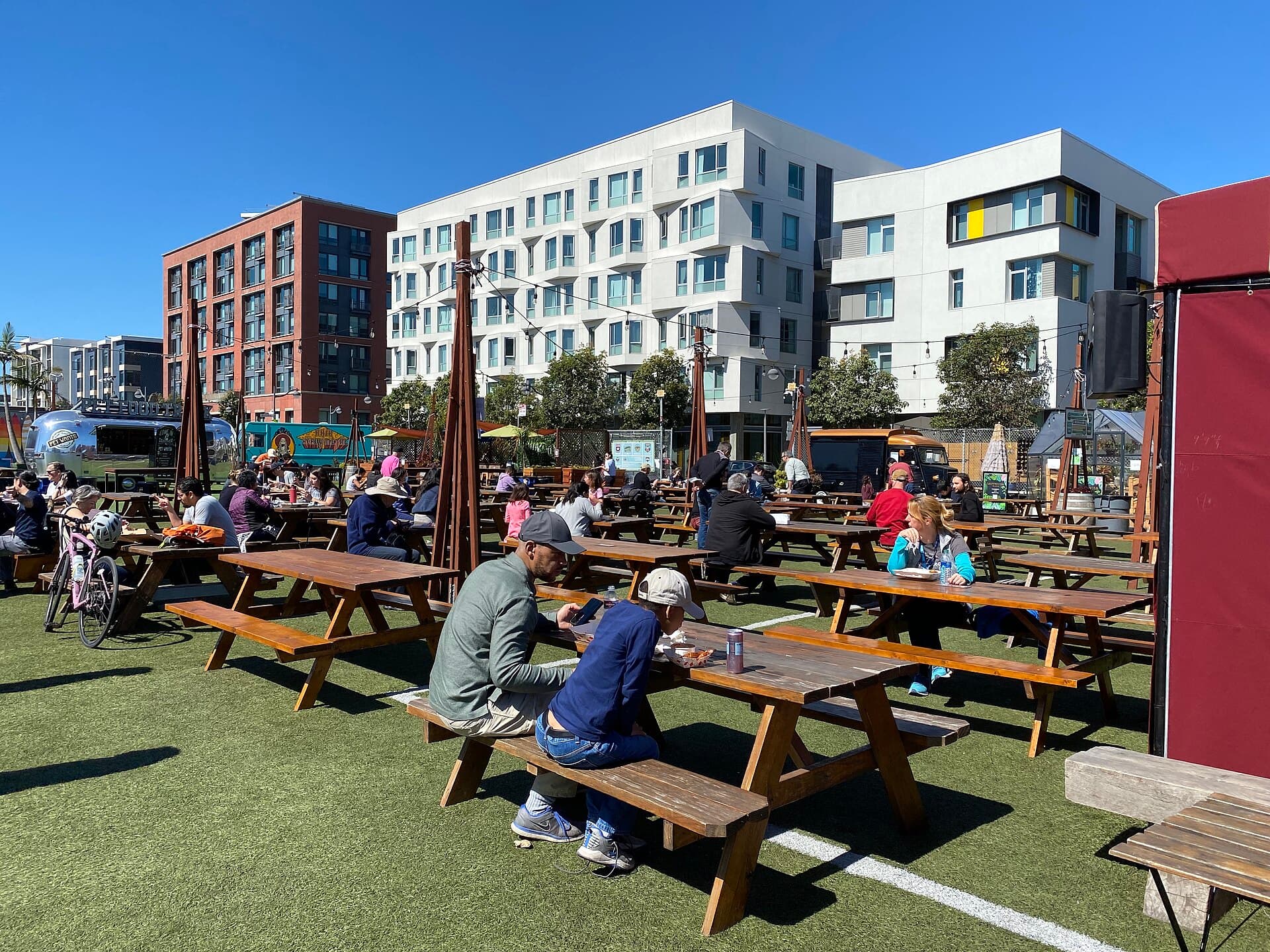
What Diners Should Look For Before Making a Food Truck Park a Regular Stop
When a food truck park becomes the center of online complaints, it’s a reminder that diners should pay attention to more than just the menu photos. A great food stop needs consistency, transparency, and a setup that works for both customers and vendors.