Why a Recall-Ready Fridge Is the New Smart Grocery Habit
As food recalls touch more everyday staples, the practical move is to shop and store groceries with a little more flexibility. A few small habits can make weeknight cooking less stressful when a favorite item suddenly comes off the table.

Food recalls used to feel like the kind of headline you noticed and moved past unless it involved something already in your cart. Now that more basic staples seem to be caught up in them, the smarter approach is to treat recalls as a normal part of modern grocery life, not a rare freak event. That does not mean panic-buying shelf goods or giving up on fresh food. It means building a kitchen routine that can handle disruptions without wasting money.
The most useful habit is keeping your fridge a little less committed to one ingredient. If your week depends on a single carton, bag, or prepared item, a recall turns dinner into a hassle fast. Flexible meal planning matters more than ever: think ingredients that can swap roles, simple backups in the freezer, and recipes that survive one missing piece. That is not glamorous, but it is the kind of practical strategy that saves both time and takeout spending.
It is also worth getting less casual about labels and packaging. Plenty of shoppers toss outer wrapping right away or decant foods into containers without keeping enough information to identify them later. In a recall-heavy environment, that convenience can backfire. Keeping a product name, date code, or quick phone photo before you recycle the packaging is a small habit that makes it much easier to check your kitchen in two minutes instead of second-guessing everything you bought this week.
There is a broader consumer lesson here too: reliability has become part of value. The cheapest option is not always the best deal if it creates uncertainty, waste, or another store run. Shoppers are increasingly paying attention to brands, stores, and routines that make everyday food feel manageable. In that sense, the modern grocery flex is not stocking up. It is staying adaptable when the food system gets messy again.
Photo: Unknown authorUnknown author via Wikimedia Commons (Public domain).

Related stories
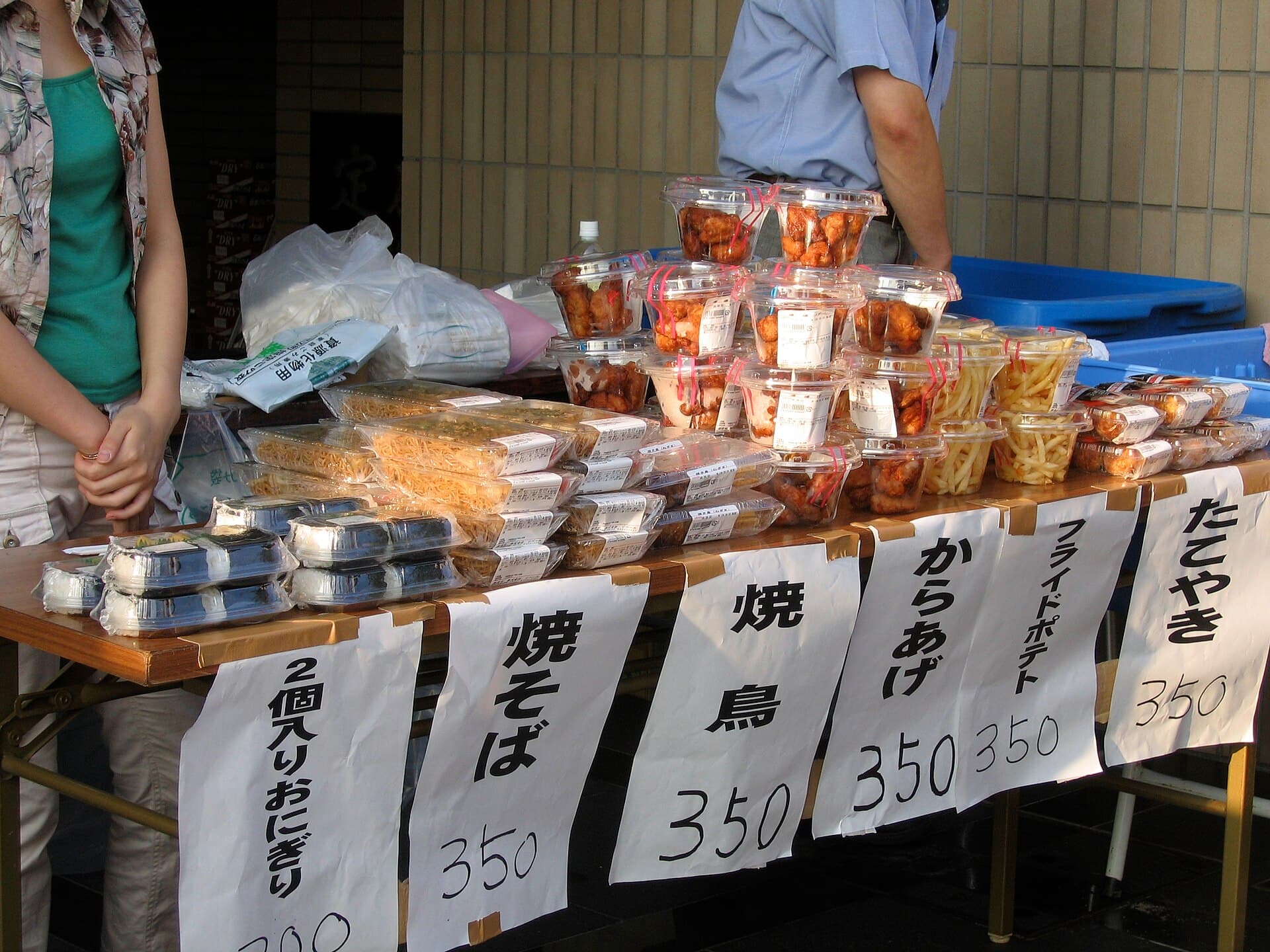
Why Neighborhood Food Festivals Are the Best Way to Try Japanese Cooking
A local Japanese food festival can be a smarter introduction than a pricey restaurant reservation. The best part is the chance to try a wider range of dishes, flavors, and community traditions in one afternoon.
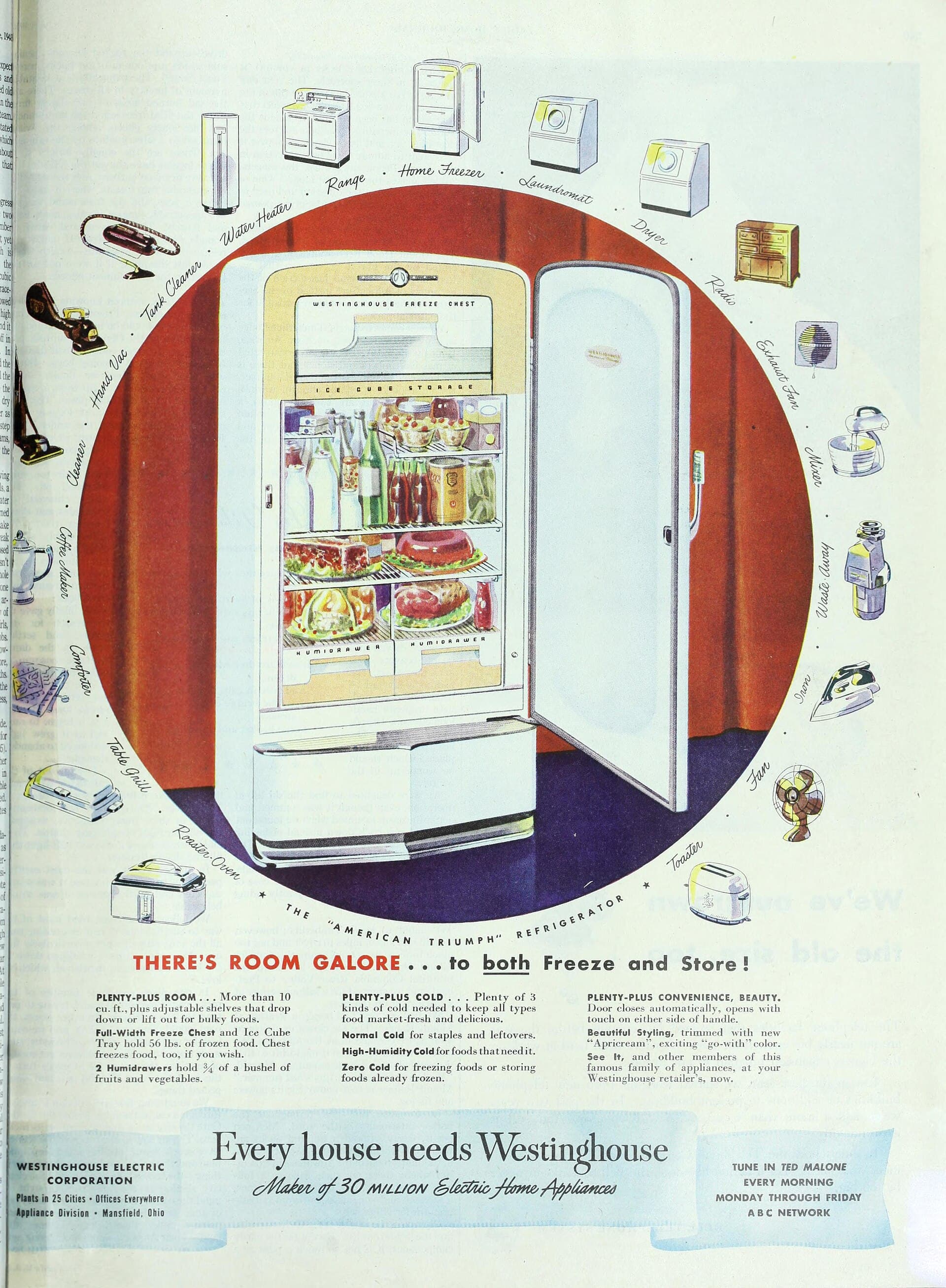
The Cheapest Meal Upgrade Is Learning to Cook What You Already Bought
A smarter kitchen starts before the grocery store and pays off all week. Using what’s already in the fridge can stretch a food budget without making meals feel like leftovers on repeat.

What Diners Should Look For Before Making a Food Truck Park a Regular Stop
When a food truck park becomes the center of online complaints, it’s a reminder that diners should pay attention to more than just the menu photos. A great food stop needs consistency, transparency, and a setup that works for both customers and vendors.