When a Favorite Restaurant Changes Hands, Regulars Should Read the Room
A beloved neighborhood dining room closing is always emotional, but it can also be a useful reminder of how fragile local restaurant culture really is. For diners, the smartest response is part nostalgia, part curiosity, and a little patience for whatever comes next.
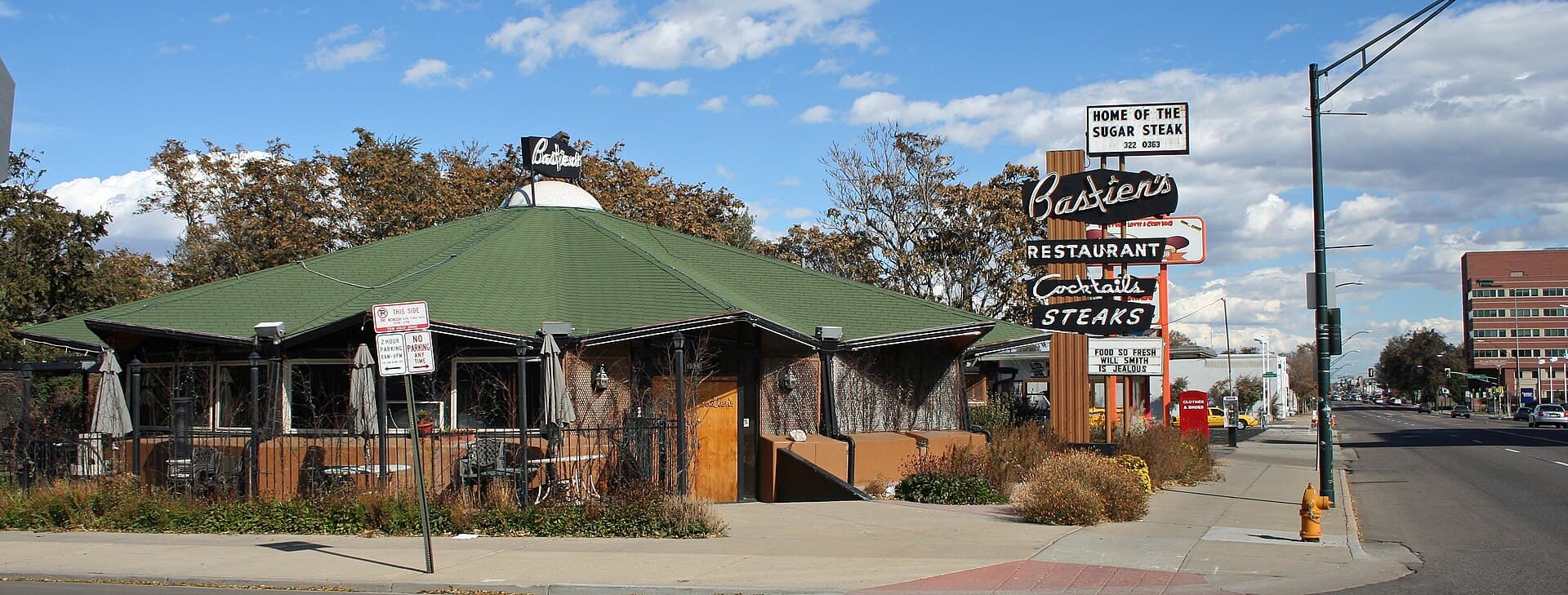
When a well-liked restaurant winds down and a new one moves in, the first reaction is usually grief disguised as criticism. People remember the perfect meal, the anniversary table, the server who knew their order, and suddenly any replacement feels like an insult. That feeling is understandable, but it also skips over a basic truth: restaurants are fragile businesses, and even places with loyal followings eventually face ownership changes, rising costs, burnout, or a simple desire to end on their own terms.
For diners, there is a practical lesson here. If you have a neighborhood spot you claim to love, support it while it still exists in the ordinary middle of its life, not just during the sentimental final weeks. The places that shape a city’s food identity are often sustained by repeat visits on random Tuesdays, by ordering dessert when you usually would not, and by recommending them before a closing announcement turns a reservation into a nostalgia event.
There is also a good argument for giving the next restaurant a fair shot without demanding it recreate the old one. A dining room can carry history, but a new team needs enough room to build its own habits, menu, and mood. That does not mean every replacement will be better, only that constant comparisons can turn diners into preservationists when what they really need is curiosity. Cities stay interesting when restaurants are allowed to evolve instead of becoming frozen memorials to everybody’s favorite former menu.
The healthiest restaurant culture is one that knows how to do both: show up for a longtime favorite and stay open to the possibility that the next place might become part of someone else’s tradition. A closing is a loss, but it is also a reminder to dine more intentionally, tip well, and treat local restaurants like living parts of a neighborhood rather than permanent scenery.
Photo: Jeffrey Beall from Denver, Colorado, USA via Wikimedia Commons (CC BY-SA 2.0).
.jpg)
Related stories
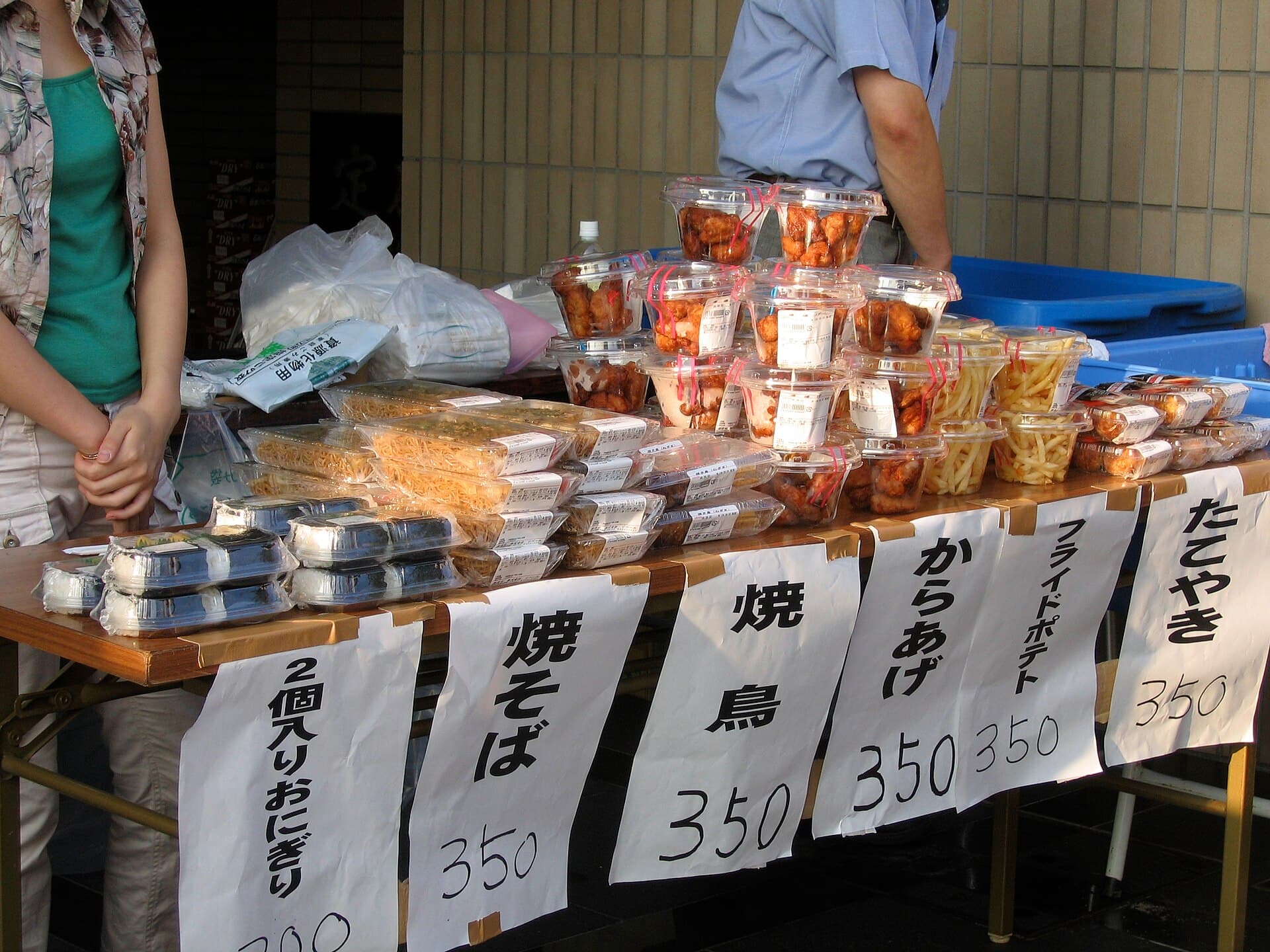
Why Neighborhood Food Festivals Are the Best Way to Try Japanese Cooking
A local Japanese food festival can be a smarter introduction than a pricey restaurant reservation. The best part is the chance to try a wider range of dishes, flavors, and community traditions in one afternoon.
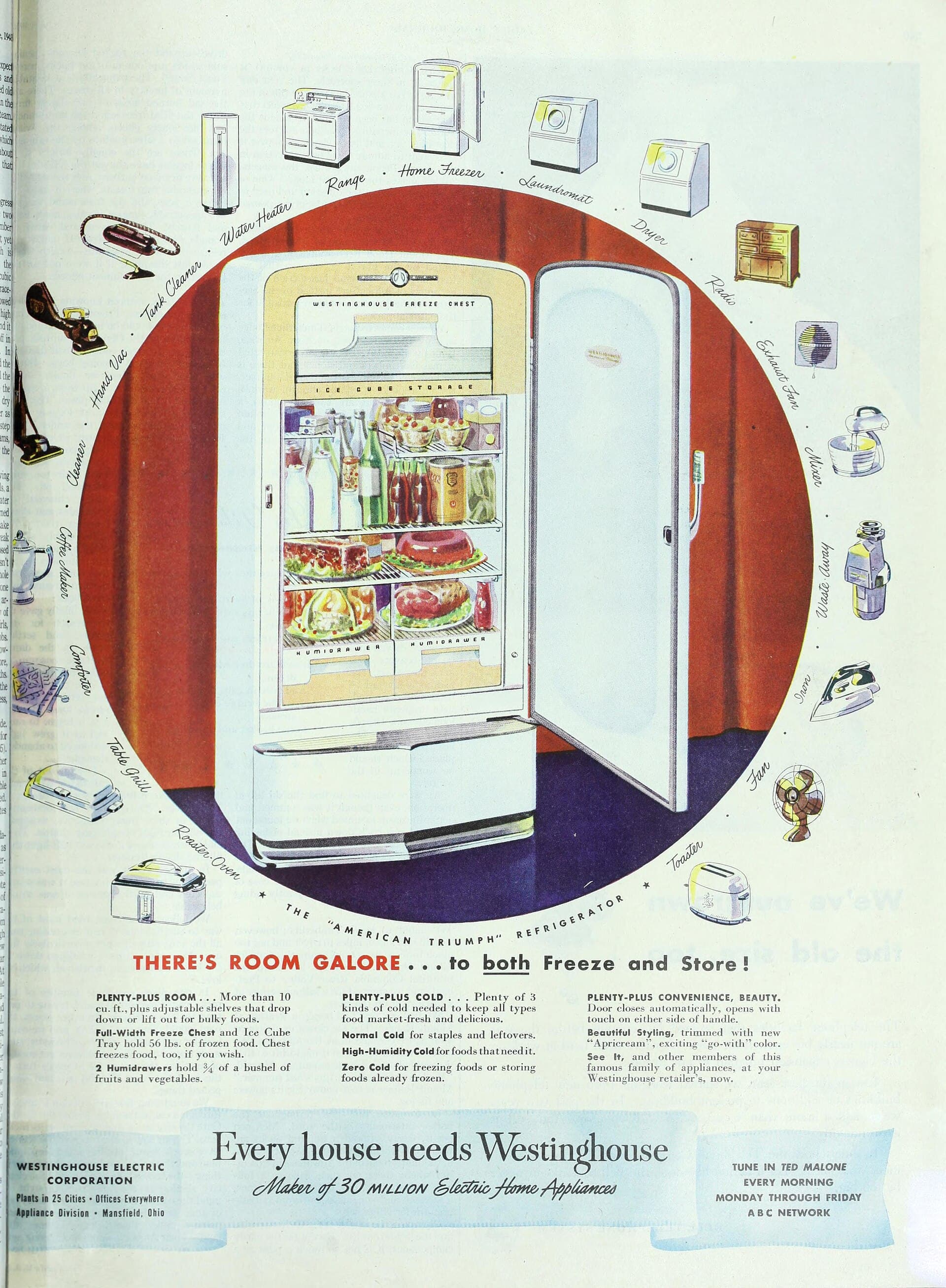
The Cheapest Meal Upgrade Is Learning to Cook What You Already Bought
A smarter kitchen starts before the grocery store and pays off all week. Using what’s already in the fridge can stretch a food budget without making meals feel like leftovers on repeat.
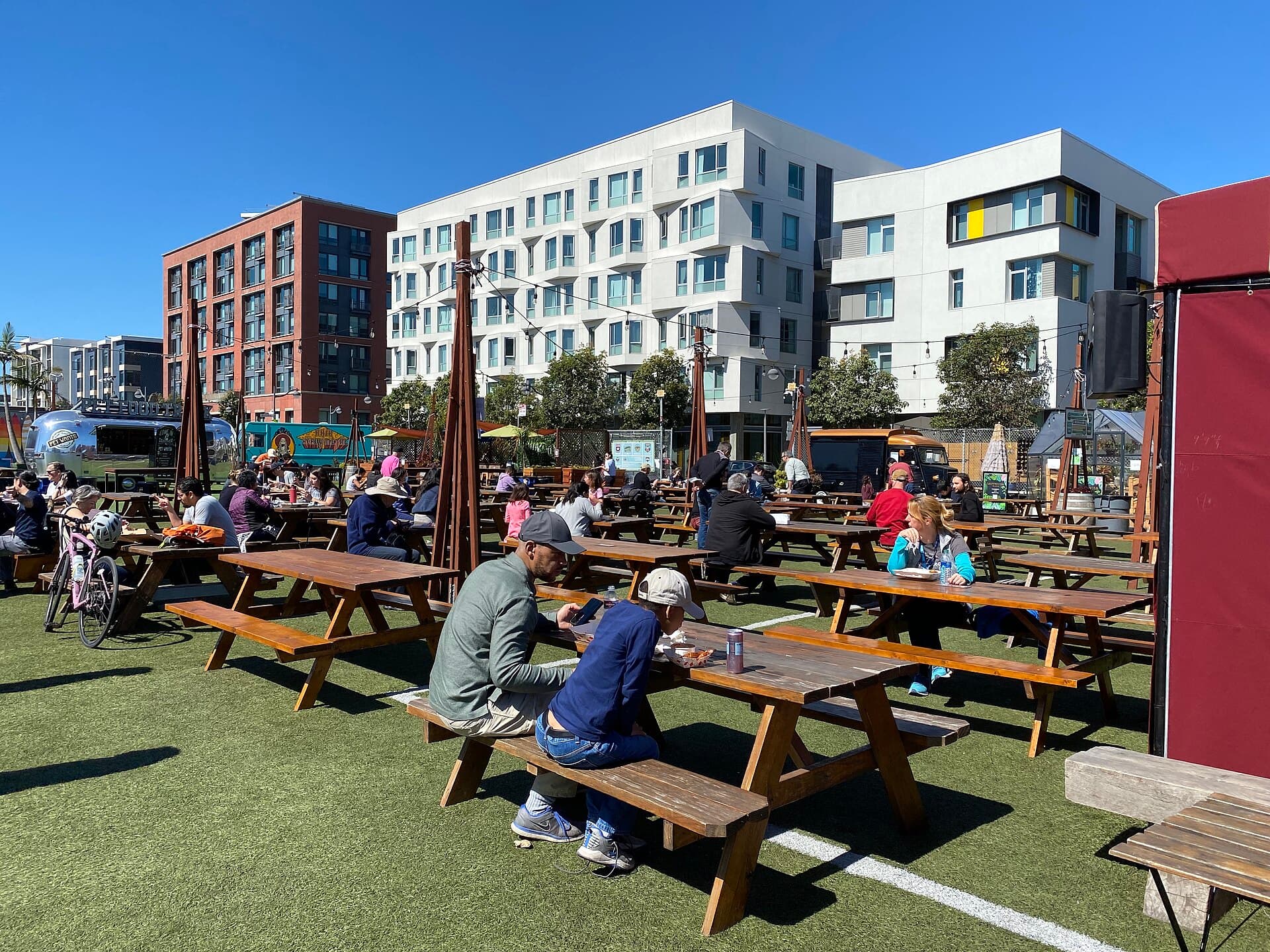
What Diners Should Look For Before Making a Food Truck Park a Regular Stop
When a food truck park becomes the center of online complaints, it’s a reminder that diners should pay attention to more than just the menu photos. A great food stop needs consistency, transparency, and a setup that works for both customers and vendors.