What a Dining Room Can’t Hide: The Small Signs a Kitchen Is Falling Behind
Most diners never see the prep area, but a few clues in the dining room can hint at whether a restaurant is keeping up with the basics. Paying attention to them can help you choose where to eat with a little more confidence.

Most of us don’t walk into a restaurant expecting to play health inspector, but it’s reasonable to notice when the basics seem off. A sticky menu, a sour smell near the entrance, cloudy drink glasses, or a restroom that looks ignored can all suggest that cleaning is happening reactively instead of routinely. That doesn’t prove a kitchen is unsafe, but it’s often enough to make a meal feel like a gamble instead of a treat.
One useful rule is to treat the front of house as a preview of the back. If the tables are wiped with a tired rag, condiment bottles are crusted over, or trash is piling up during regular service, it’s fair to wonder what’s happening where food is stored and prepped. Diners don’t need to be paranoid, but they also don’t need to talk themselves out of obvious warning signs just because a place is popular or convenient.
This is especially true on road trips, at hotel breakfast buffets, and anywhere you’re eating because it’s simply the easiest option. Convenience has a way of lowering standards. A steam tray that looks neglected, milk sitting too long, fruit that’s clearly past its best day, or insects hovering where food is served are all good reasons to skip the plate and find coffee somewhere else.
The practical takeaway is simple: trust your senses early. If something looks dirty, smells wrong, or feels poorly managed, leaving is cheaper than getting sick. There are too many decent places to eat to spend money at one that can’t keep up with the unglamorous work of storing food safely, cleaning equipment properly, and keeping the whole operation under control.
Photo: Rachel Feierman as part of the John Edwards 2008 Flickr photostream via Wikimedia Commons (CC BY-SA 2.0).

Related stories
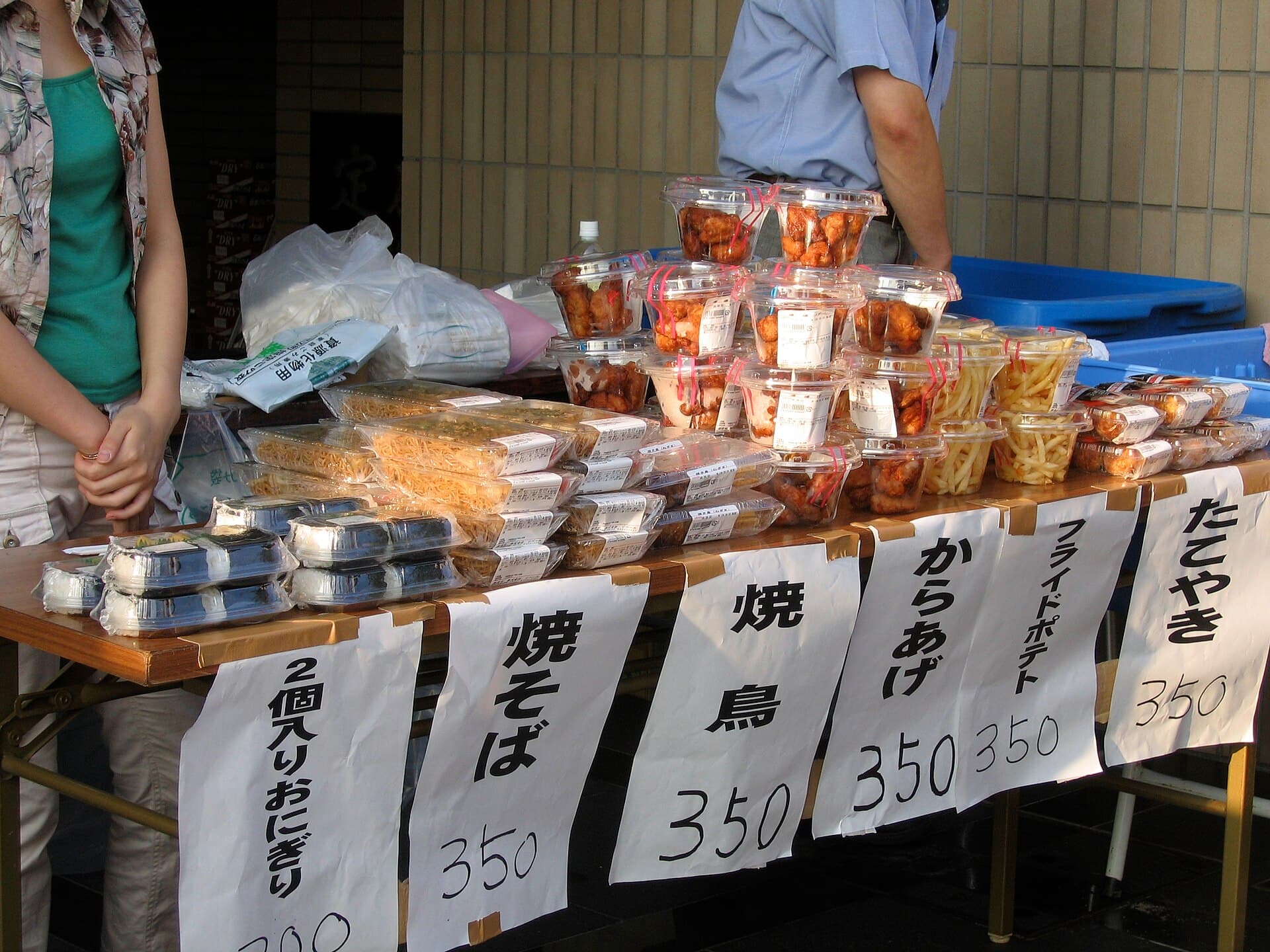
Why Neighborhood Food Festivals Are the Best Way to Try Japanese Cooking
A local Japanese food festival can be a smarter introduction than a pricey restaurant reservation. The best part is the chance to try a wider range of dishes, flavors, and community traditions in one afternoon.
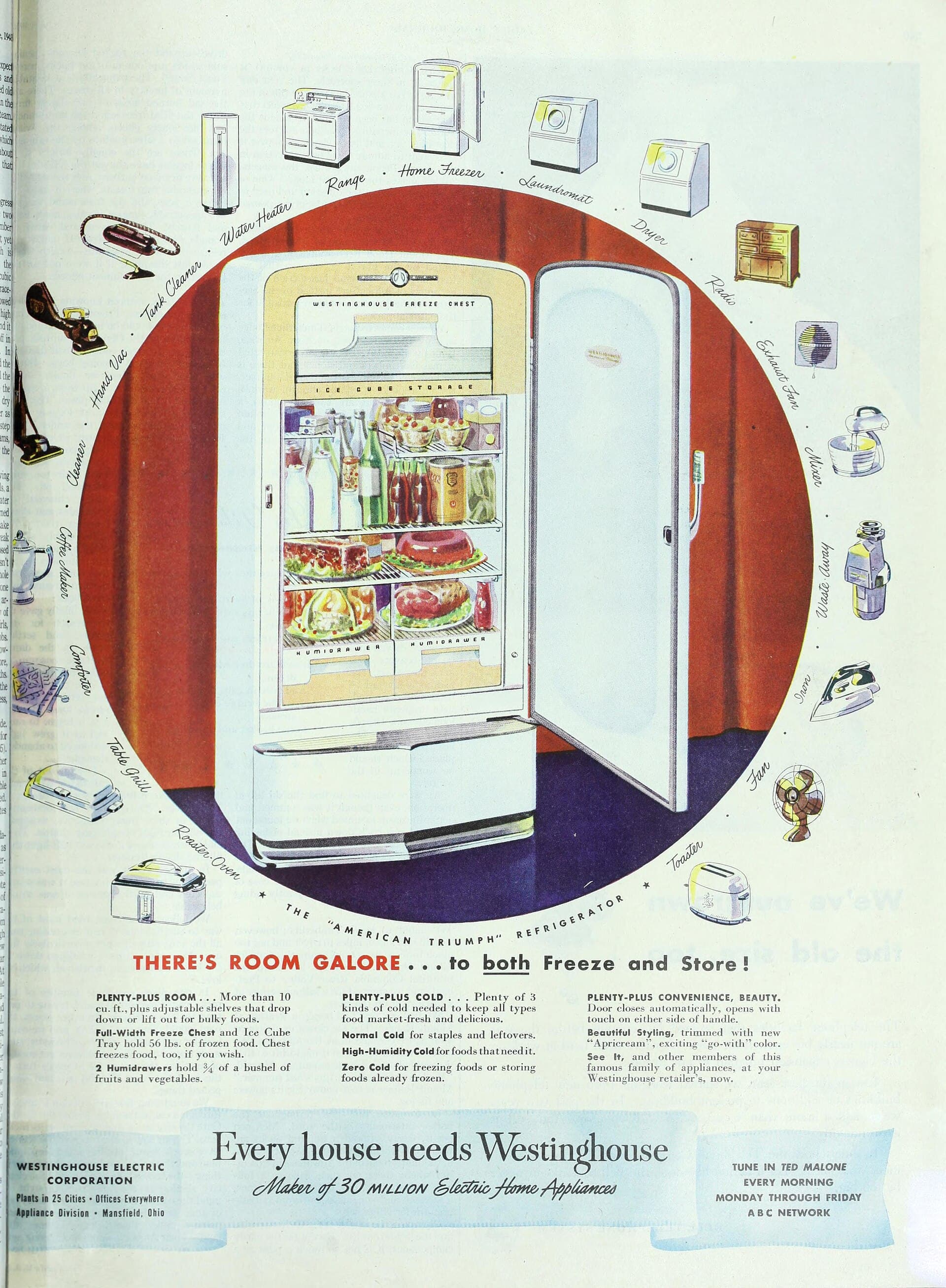
The Cheapest Meal Upgrade Is Learning to Cook What You Already Bought
A smarter kitchen starts before the grocery store and pays off all week. Using what’s already in the fridge can stretch a food budget without making meals feel like leftovers on repeat.

What Diners Should Look For Before Making a Food Truck Park a Regular Stop
When a food truck park becomes the center of online complaints, it’s a reminder that diners should pay attention to more than just the menu photos. A great food stop needs consistency, transparency, and a setup that works for both customers and vendors.