When Big Meal Programs Scale Fast, the Boring Food Safety Details Matter Most
Large meal programs can look like a simple budget and logistics win, but food safety is where good intentions succeed or fail. For US readers, it’s a reminder that the least glamorous parts of feeding people at scale are often the most important.
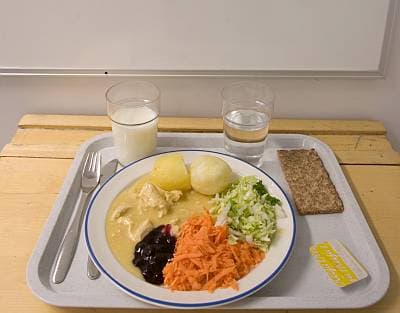
There’s a familiar temptation in any big meal program: focus on reach, speed, and cost, then assume the kitchen details will sort themselves out. But mass feeding only works when the unglamorous systems are solid, from cold storage and transport timing to handwashing, reheating, and basic traceability. Those steps don’t make headlines when they go right, yet they’re the whole difference between a helpful public service and a public health problem.
For US readers, this is a useful reminder that school food debates shouldn’t stop at whether meals are free, healthier, or locally sourced. Those issues matter, but scale changes everything. A meal prepared for one family kitchen is not the same as hundreds delivered across campuses on a deadline. The more centralized the system, the more every weak link matters, especially in warm weather or places with inconsistent refrigeration and long delivery windows.
It’s also a case for treating food safety like infrastructure, not an afterthought. Stainless steel prep tables and insulated carriers are easier to overlook than menu upgrades, but they may do more for student well-being than trendier promises. Training cafeteria workers well, documenting temperatures consistently, and building in enough staffing to avoid rushed handling sound boring because they are boring, and that’s exactly why they’re effective.
Consumers tend to notice school meals only when the menu looks bad or a program becomes political. A better habit is to ask quieter questions: who cooked the food, how long it traveled, how it was stored, and whether the people serving it have the tools to do the job safely every day. In food, as in plenty of public services, reliability is the luxury people actually need most.
Photo: Vkem via Wikimedia Commons (CC BY-SA 3.0).

Related stories
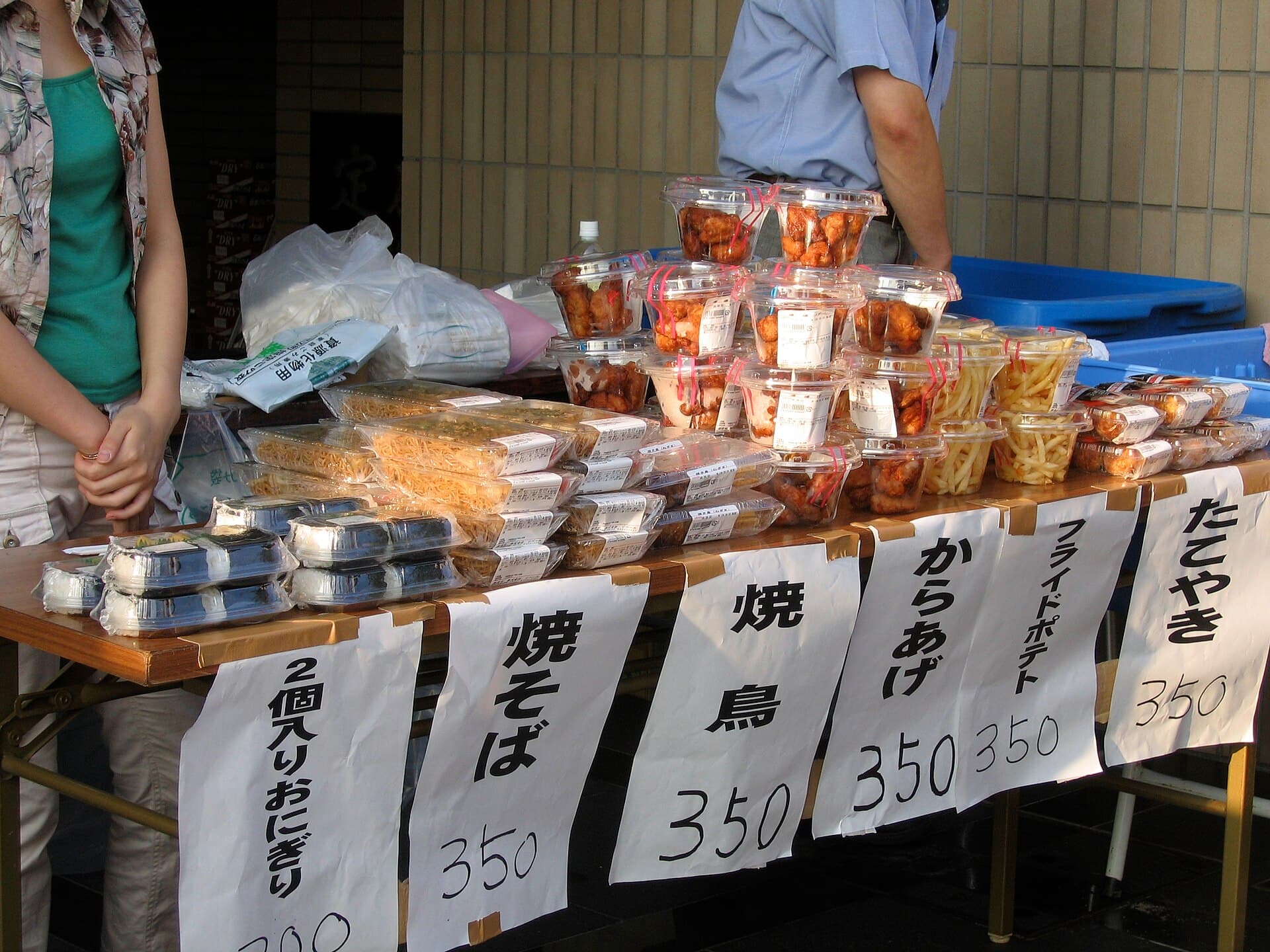
Why Neighborhood Food Festivals Are the Best Way to Try Japanese Cooking
A local Japanese food festival can be a smarter introduction than a pricey restaurant reservation. The best part is the chance to try a wider range of dishes, flavors, and community traditions in one afternoon.
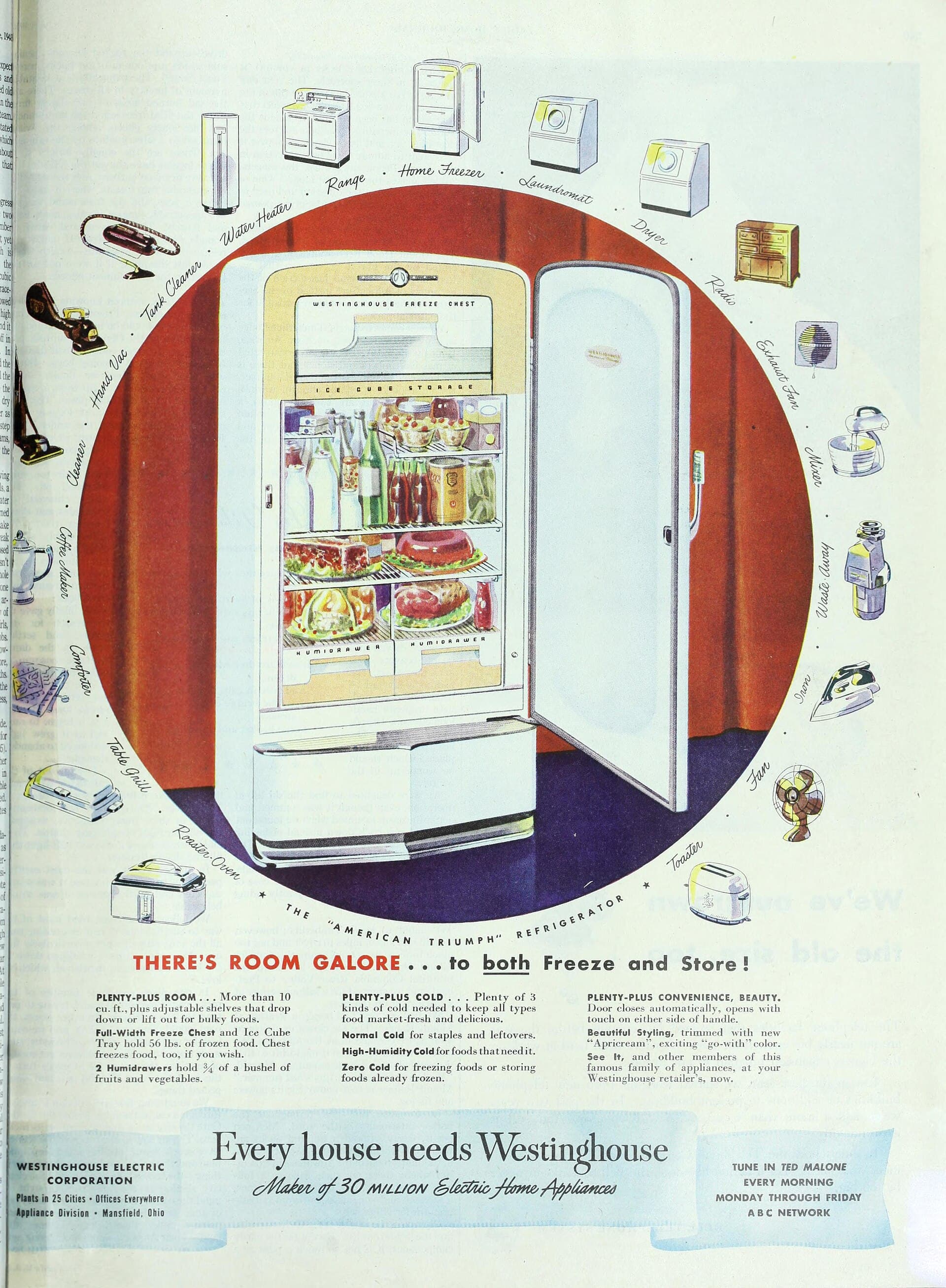
The Cheapest Meal Upgrade Is Learning to Cook What You Already Bought
A smarter kitchen starts before the grocery store and pays off all week. Using what’s already in the fridge can stretch a food budget without making meals feel like leftovers on repeat.
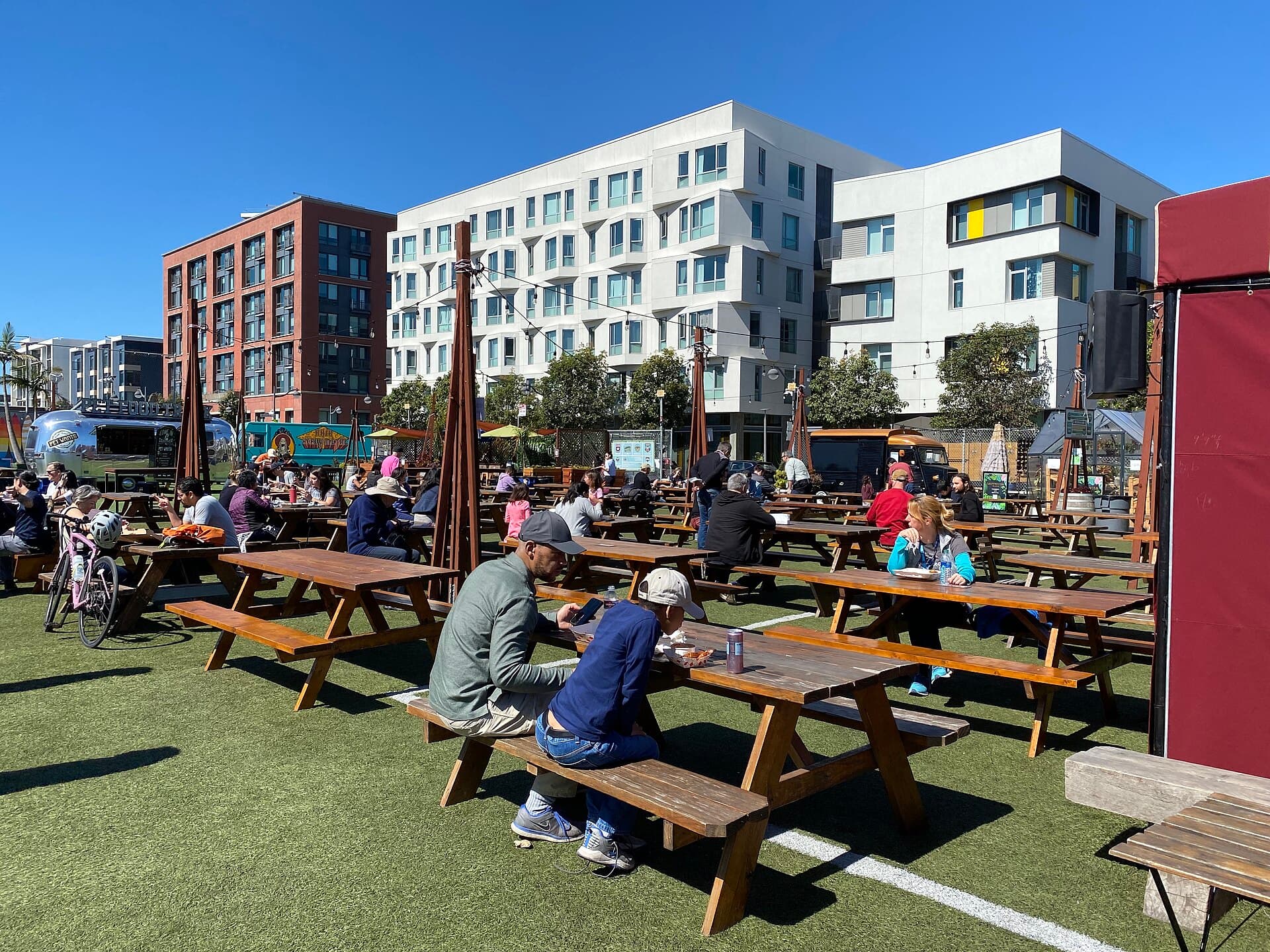
What Diners Should Look For Before Making a Food Truck Park a Regular Stop
When a food truck park becomes the center of online complaints, it’s a reminder that diners should pay attention to more than just the menu photos. A great food stop needs consistency, transparency, and a setup that works for both customers and vendors.