The Small Dignity of a Clean Meal
A clean tray sounds like a minor detail until you remember how much daily life depends on basic sanitation and a sense of care. Food service, in any institution, says a lot about what standards people are expected to live with.
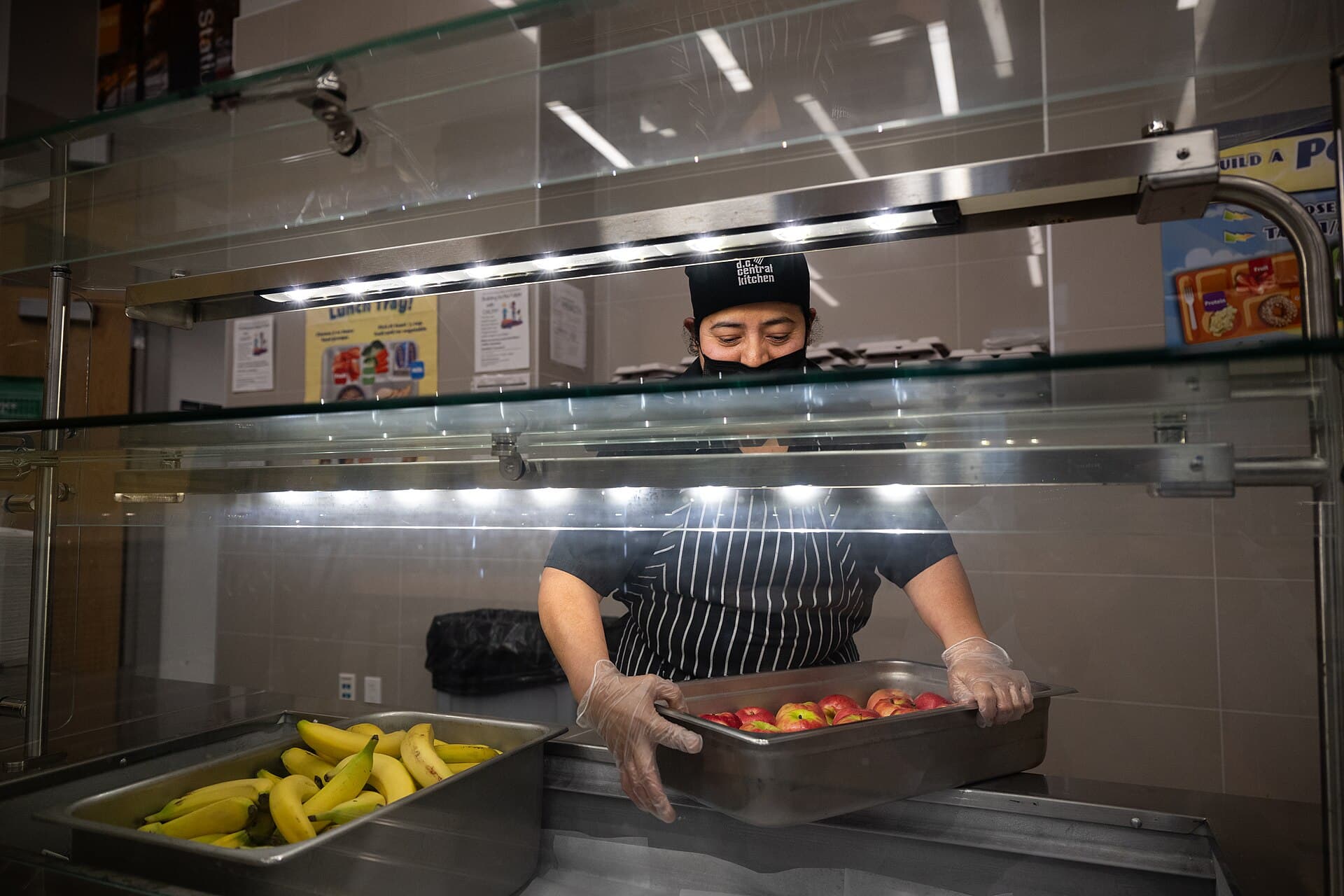
People tend to treat clean food service as a background issue right up until it disappears. A tray, plate, or utensil that still looks dirty changes the whole experience of eating, even before anyone talks about health codes or sanitation rules. It signals that the people using it are expected to lower their standards and accept discomfort as normal.
In places where meals are served at scale, cleanliness is not a luxury add-on. It is part of the meal. Schools, hospitals, dorms, cafeterias, and correctional facilities all run on systems, and when those systems stop delivering something as basic as reliably clean serving ware, the problem is bigger than one unpleasant lunch. It usually points to understaffing, weak oversight, outdated equipment, or a culture that lets small failures pile up because the people affected have little power to complain.
For everyday readers, this is one of those stories that sharpens your eye for the routines we usually overlook. We notice menu quality, portion size, and ingredients, but the condition of the tray itself may be the clearest clue about whether an institution is functioning with care. If the basics are being skipped, it is fair to ask what else is being missed behind the scenes.
There is also a practical consumer lesson here: cleanliness standards matter most in environments where people cannot simply walk away. That is why public pressure, inspections, and transparent accountability are so important. A clean meal setup should never be framed as an extra perk. It is the floor, not the ceiling, for how people ought to be fed.
Photo: USDAgov via Wikimedia Commons (Public domain).
.jpg)
Related stories
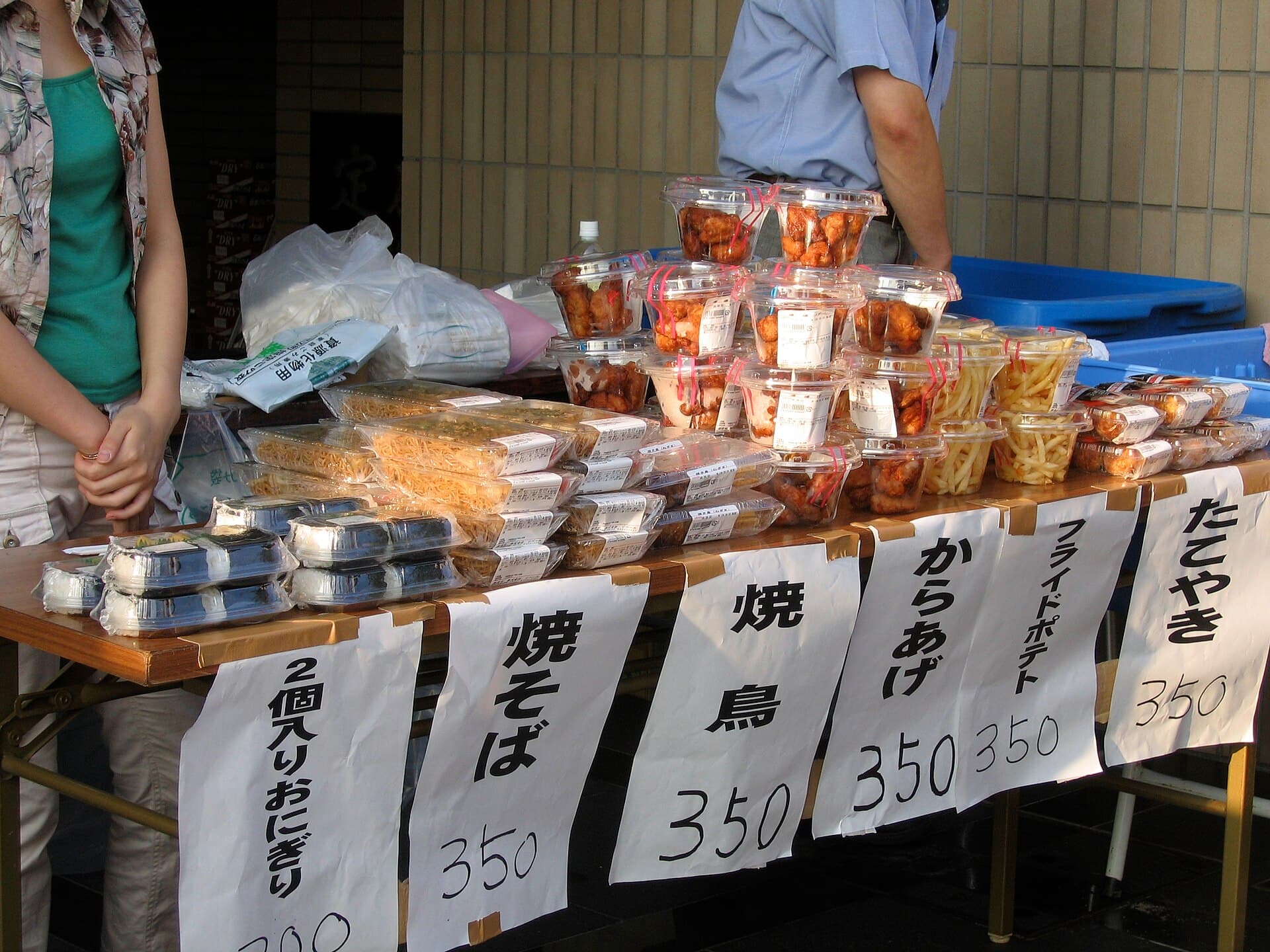
Why Neighborhood Food Festivals Are the Best Way to Try Japanese Cooking
A local Japanese food festival can be a smarter introduction than a pricey restaurant reservation. The best part is the chance to try a wider range of dishes, flavors, and community traditions in one afternoon.
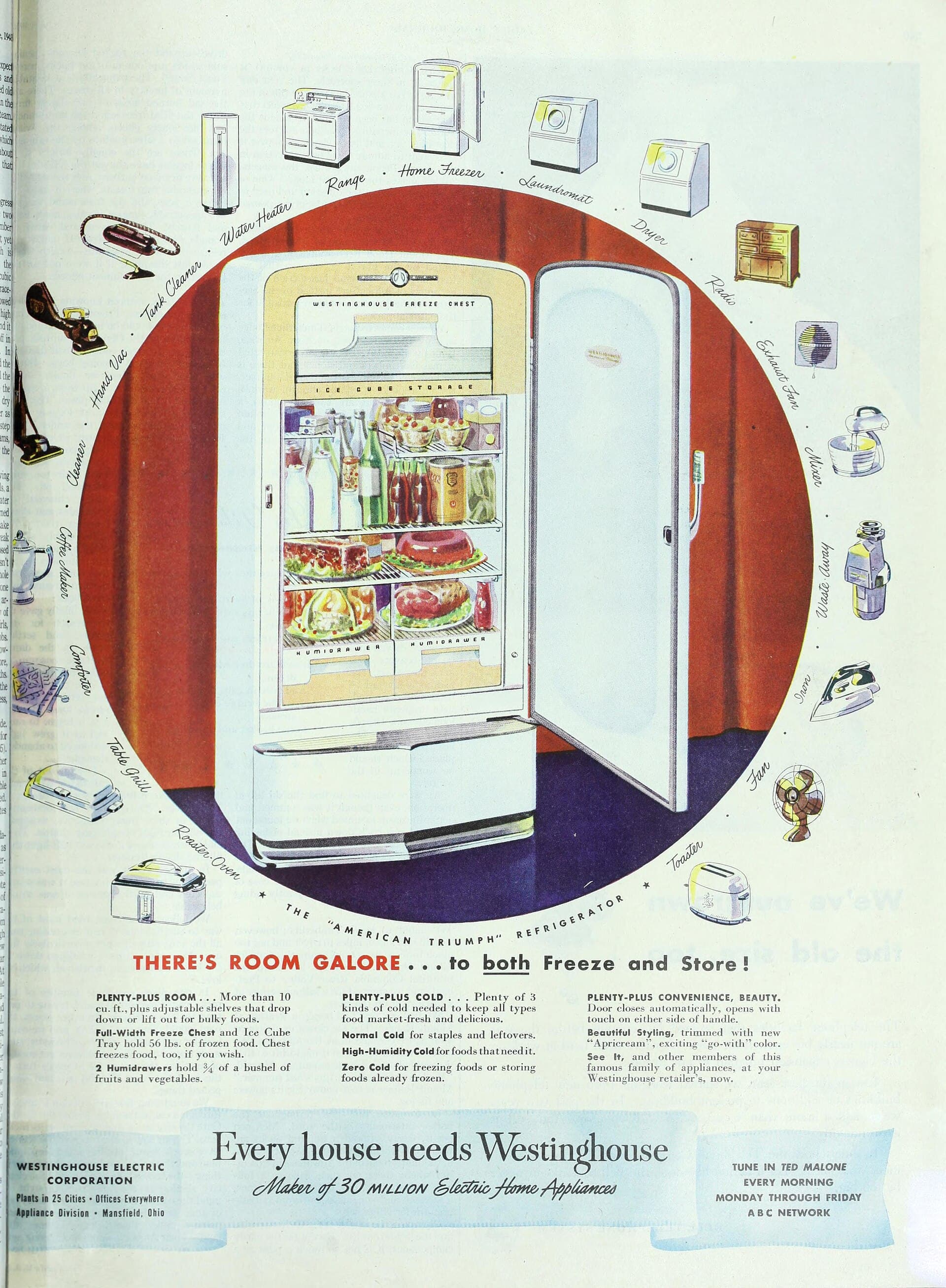
The Cheapest Meal Upgrade Is Learning to Cook What You Already Bought
A smarter kitchen starts before the grocery store and pays off all week. Using what’s already in the fridge can stretch a food budget without making meals feel like leftovers on repeat.

What Diners Should Look For Before Making a Food Truck Park a Regular Stop
When a food truck park becomes the center of online complaints, it’s a reminder that diners should pay attention to more than just the menu photos. A great food stop needs consistency, transparency, and a setup that works for both customers and vendors.