The Best Kitchen Skill Isn’t a Recipe
A calm response in a food setting can matter more than any fancy technique. For home cooks and hospitality workers alike, basic emergency know-how deserves a place next to knife skills and food safety.
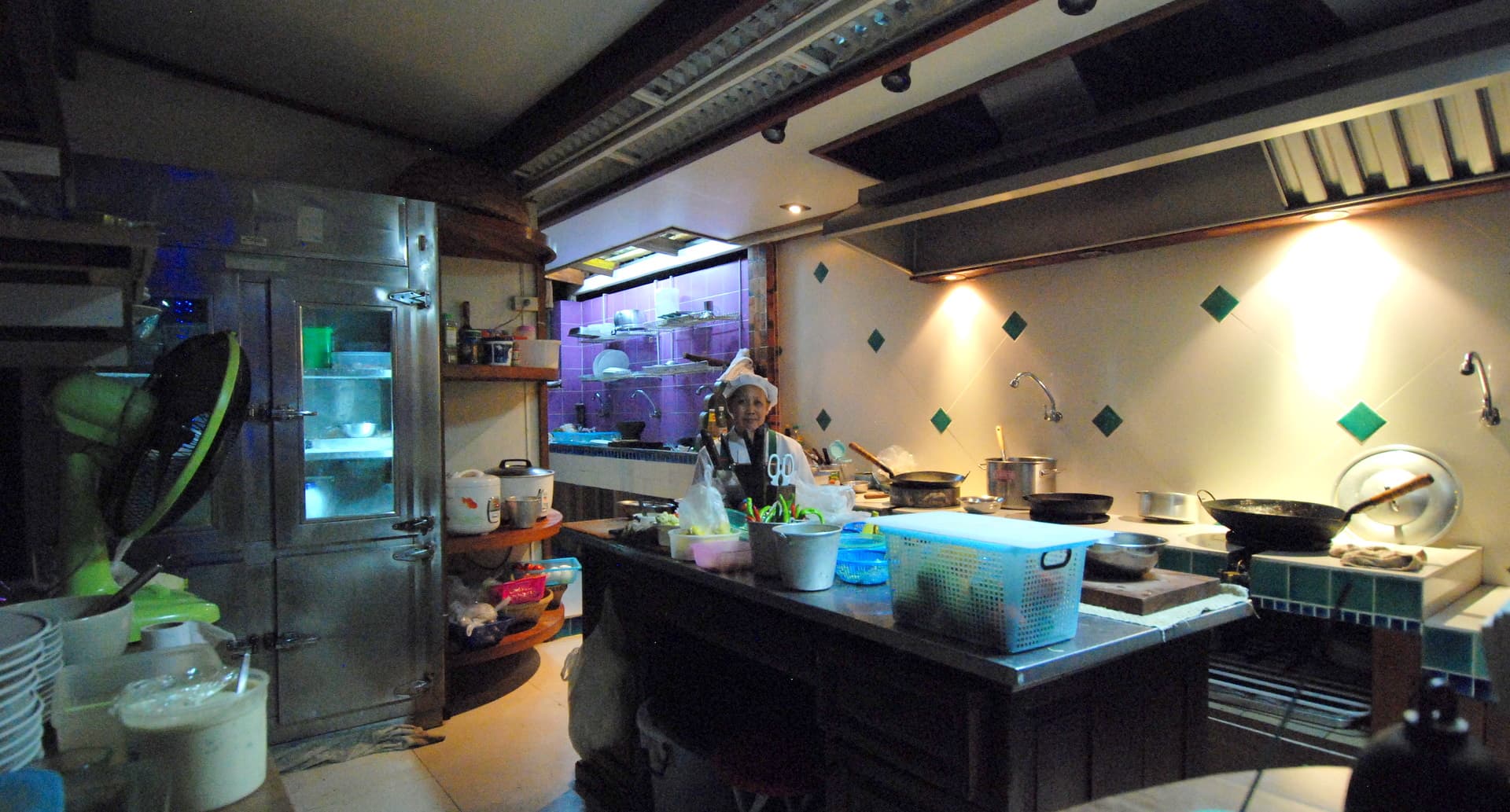
Food culture spends a lot of time celebrating flavor, speed, and presentation, but the most valuable kitchen skill may be something less glamorous: knowing what to do when a medical emergency happens nearby. In any place where people gather to eat, from cafeterias to church suppers to backyard barbecues, a calm and prepared person can make all the difference.
That is a useful reminder for anyone who cooks for others, whether professionally or at home. We treat first-aid knowledge as separate from hospitality, when it really belongs alongside handwashing, safe food temperatures, and allergy awareness. If you regularly host holidays, volunteer at community meals, or work around diners, learning CPR and how to respond to choking is practical, not extreme.
There is also a culture lesson here. The people who keep food spaces running are often judged on service and consistency, but their real value is broader: they notice details, stay steady under pressure, and look after the room. That kind of readiness rarely gets the same attention as a trendy menu, yet it is arguably more important than whatever is plated.
For readers, the takeaway is simple. Keep your kitchen stocked, your smoke detector working, and your emergency basics fresh in your mind. A good meal brings people together, but a prepared host helps make sure everyone gets to go home safely afterward.
Photo: Takeaway via Wikimedia Commons (CC BY-SA 3.0).

Related stories
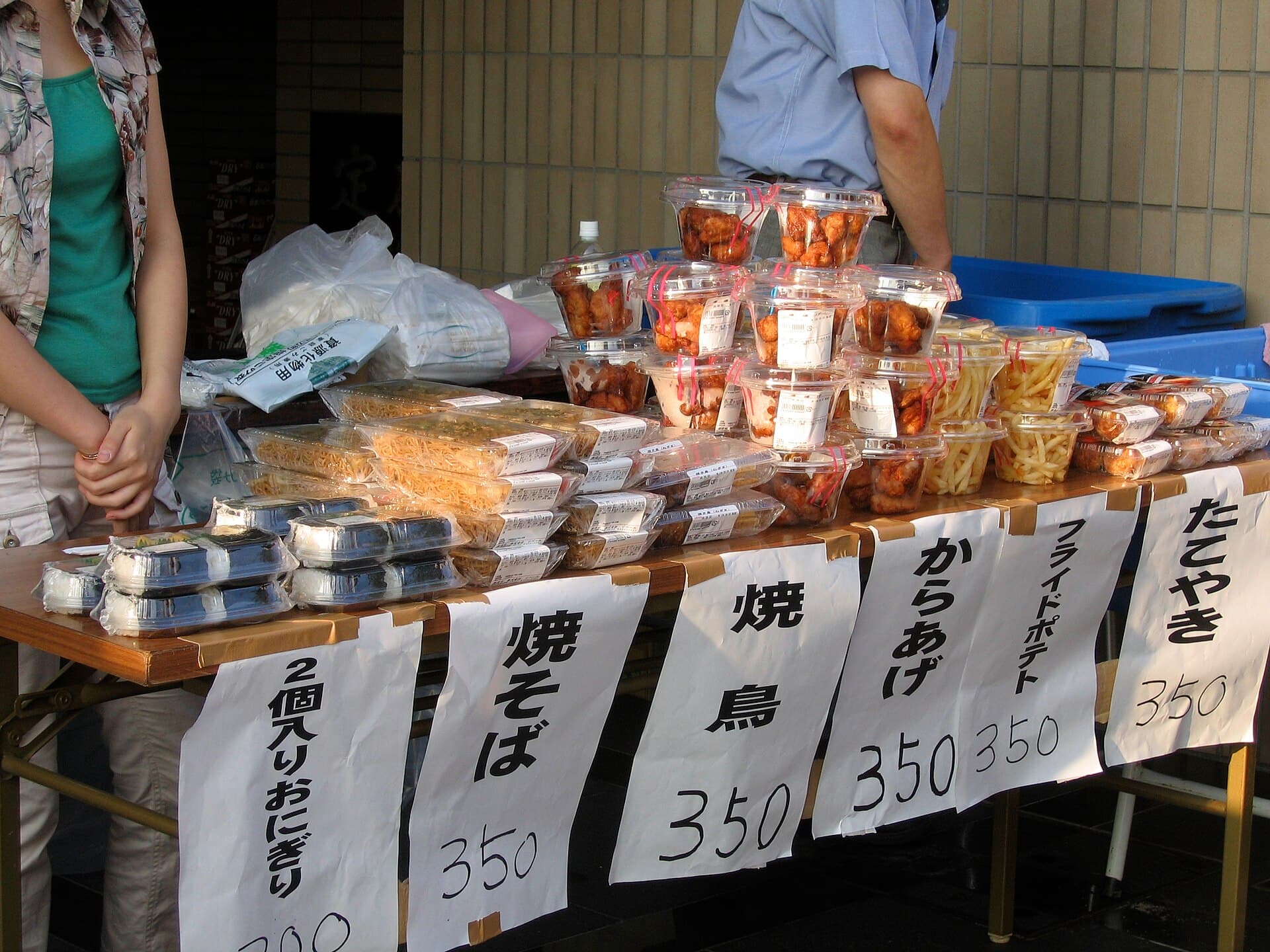
Why Neighborhood Food Festivals Are the Best Way to Try Japanese Cooking
A local Japanese food festival can be a smarter introduction than a pricey restaurant reservation. The best part is the chance to try a wider range of dishes, flavors, and community traditions in one afternoon.
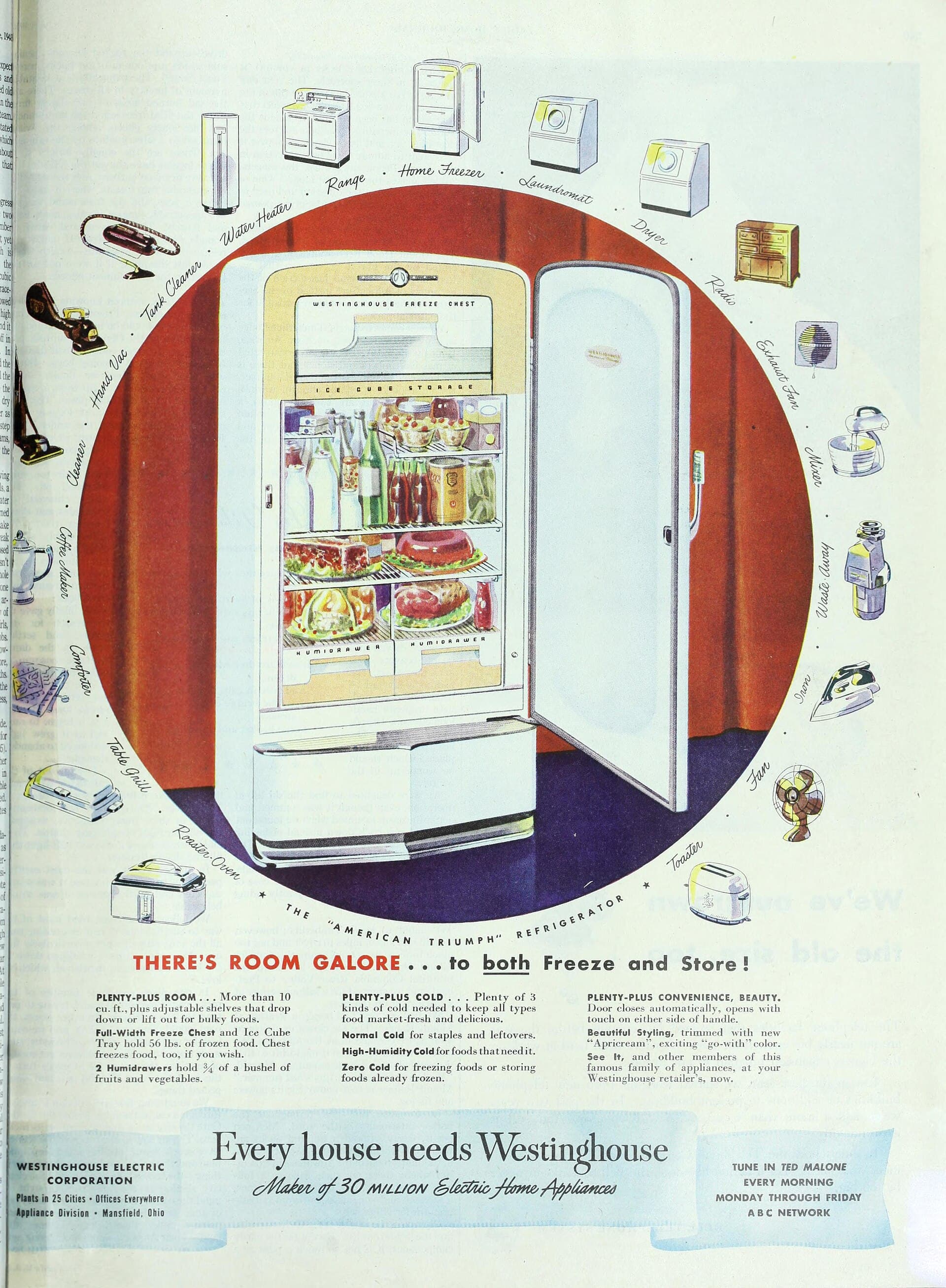
The Cheapest Meal Upgrade Is Learning to Cook What You Already Bought
A smarter kitchen starts before the grocery store and pays off all week. Using what’s already in the fridge can stretch a food budget without making meals feel like leftovers on repeat.
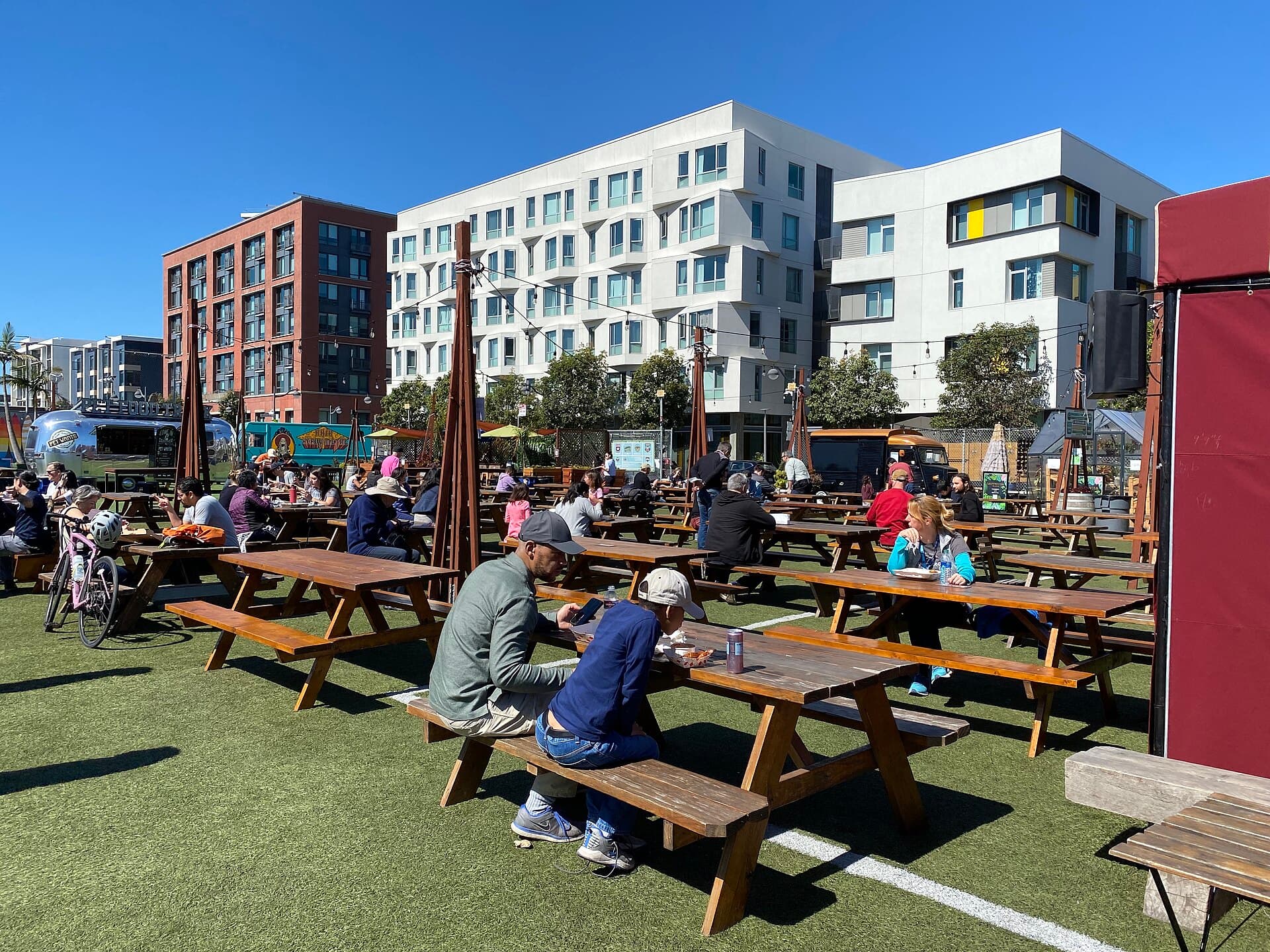
What Diners Should Look For Before Making a Food Truck Park a Regular Stop
When a food truck park becomes the center of online complaints, it’s a reminder that diners should pay attention to more than just the menu photos. A great food stop needs consistency, transparency, and a setup that works for both customers and vendors.