The New Grocery Rule: Read the Label Like It Matters
When trust in the food system feels shaky, small shopping habits can do a lot of work. A more careful cart starts with labels, storage, and a little less autopilot at home.
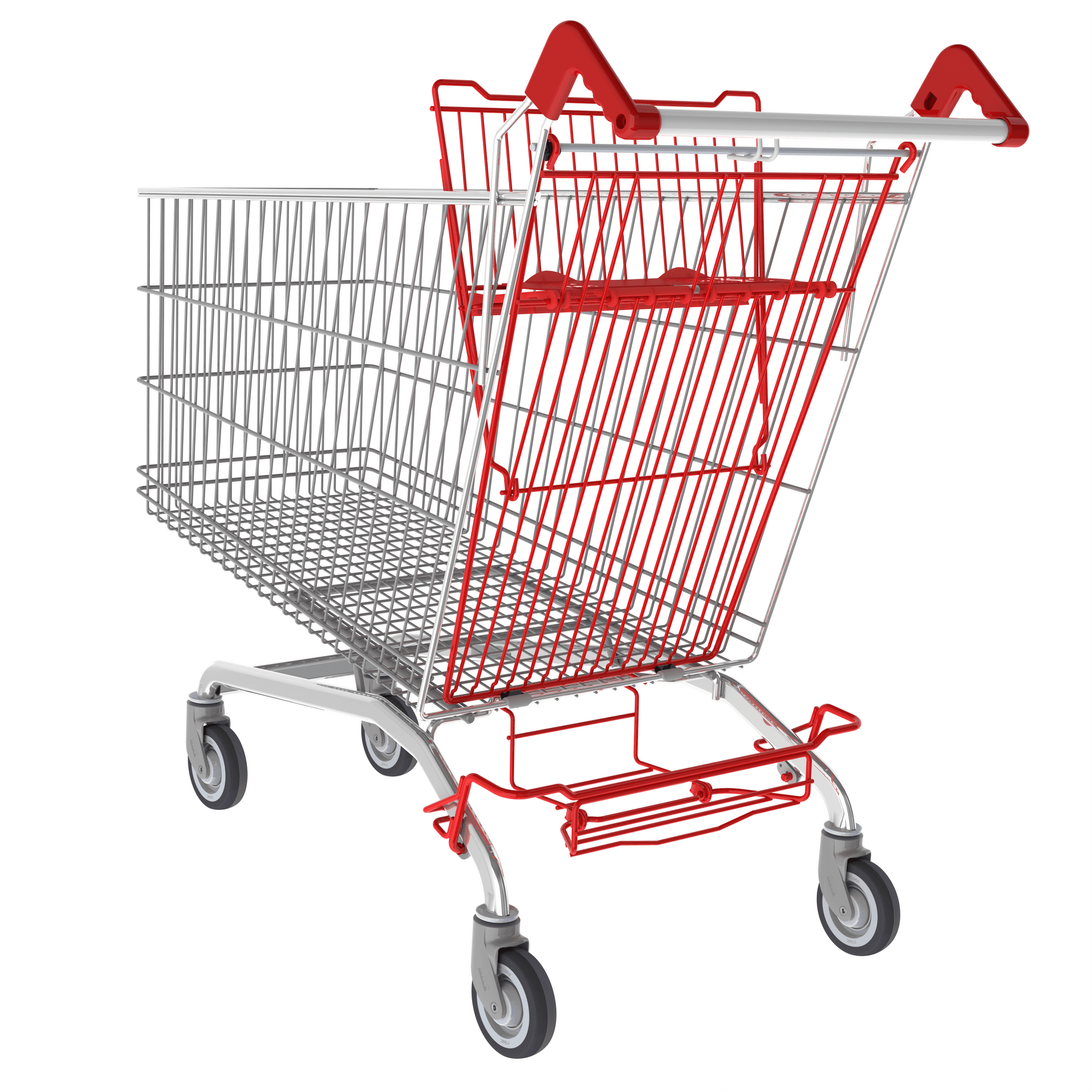
A lot of Americans shop for food on muscle memory: grab the usual yogurt, bagged greens, deli meat, and move on. But when confidence in the food system feels thinner than it used to, that autopilot stops looking convenient and starts looking risky. The practical answer is not panic-buying shelf-stable everything. It’s paying closer attention to what you already bring home, and treating the label as part of the product, not fine print.
That means checking recall notices when a food category is making headlines, looking at use-by dates before you get to the register, and being a little more skeptical of anything highly perishable that already seems stressed on the shelf. Puffy packages, cracked seals, warm refrigerator cases, and leaking containers are easy reasons to walk away. So are cut-fruit cups or prepared foods that look like they’ve been sitting too long. A good deal is only a good deal if it’s still good when you eat it.
At home, food safety gets won or lost in boring moments. Refrigerate groceries quickly, keep raw meat away from produce, and don’t assume the sniff test is a serious quality-control system. Leftovers need labels too, even if the label is just a piece of tape with a date. If your fridge is crowded enough that cold air can’t move around, you’re not storing food efficiently; you’re just hosting it.
There’s also a smart shopping angle here: buying slightly less can be more economical than overbuying fragile foods you won’t finish in time. Frozen fruit, frozen vegetables, and pantry basics are not a downgrade if they help you waste less and worry less. In an era when shoppers are being asked to stay alert, the best flex isn’t a gourmet haul. It’s a kitchen routine that’s calm, clean, and a little harder to fool.
Photo: Caddiedrusenheim via Wikimedia Commons (CC BY-SA 4.0).

Related stories
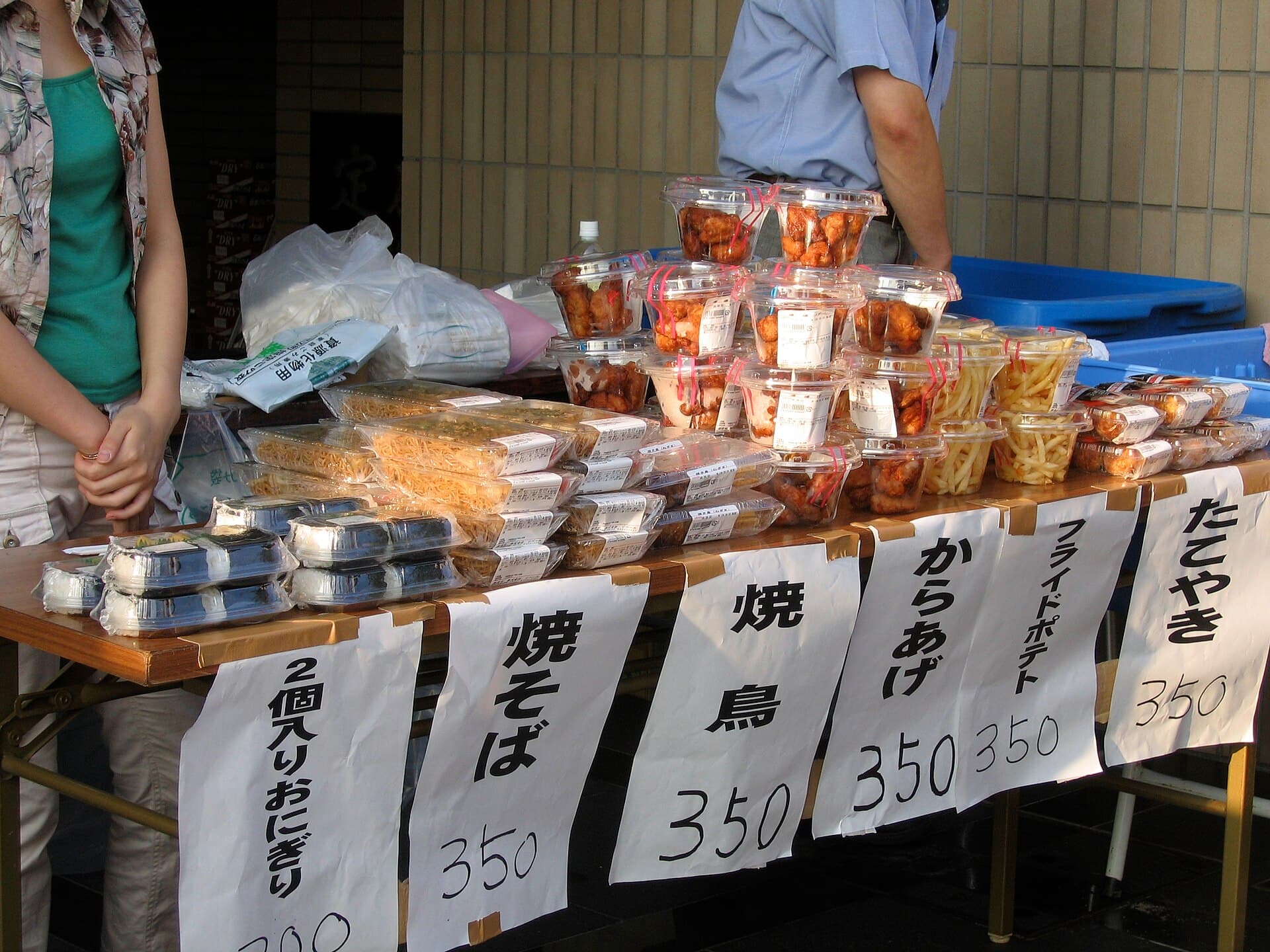
Why Neighborhood Food Festivals Are the Best Way to Try Japanese Cooking
A local Japanese food festival can be a smarter introduction than a pricey restaurant reservation. The best part is the chance to try a wider range of dishes, flavors, and community traditions in one afternoon.
The Cheapest Meal Upgrade Is Learning to Cook What You Already Bought
A smarter kitchen starts before the grocery store and pays off all week. Using what’s already in the fridge can stretch a food budget without making meals feel like leftovers on repeat.

What Diners Should Look For Before Making a Food Truck Park a Regular Stop
When a food truck park becomes the center of online complaints, it’s a reminder that diners should pay attention to more than just the menu photos. A great food stop needs consistency, transparency, and a setup that works for both customers and vendors.